Tarangire National Park is one of Tanzania's most spectacular and yet most underrated safari destinations. While the Serengeti and Ngorongoro Crater attract the lion's share of tourist attention, Tarangire offers an experience that is arguably more intimate, more affordable, and in some ways even more rewarding. Known as the land of giants, Tarangire is home to the highest concentration of elephants in East Africa, ancient baobab trees that dwarf everything around them, and an extraordinary diversity of birdlife that makes it a paradise for birdwatchers and photographers alike.
If you are planning a Tanzania safari, Tarangire deserves a prominent place on your itinerary. This guide covers everything you need to know about visiting this remarkable park.
Why Visit Tarangire?
There are several compelling reasons to include Tarangire in your Tanzania safari itinerary, and the most important of these is the elephants. During the dry season from June to October, the Tarangire River attracts massive concentrations of elephants — herds of 200 to 300 individuals are not uncommon. Watching these majestic animals move along the riverbank with the ancient baobab trees as a backdrop is one of the most iconic images in African wildlife.
Beyond the elephants, Tarangire is famous for its ancient baobab trees. These massive, prehistoric-looking trees can live for over a thousand years and are scattered across the park's landscape, creating some of the most photogenic scenery in Tanzania. The contrast between the enormous elephants and the towering baobabs is extraordinary.
Tarangire also offers a quieter, more exclusive safari experience than the more famous northern circuit parks. During the dry season, Tarangire receives a reasonable number of visitors, but it never feels crowded. During the green season from November to May, the park is remarkably peaceful, with very few other vehicles in sight.
Wildlife
While elephants are the star attraction, Tarangire is home to a remarkable diversity of wildlife. The park supports large populations of zebra, wildebeest, giraffe, eland, waterbuck, and hartebeest. During the dry season, these animals concentrate along the Tarangire River, creating dense concentrations of wildlife that rival anything in the Serengeti.
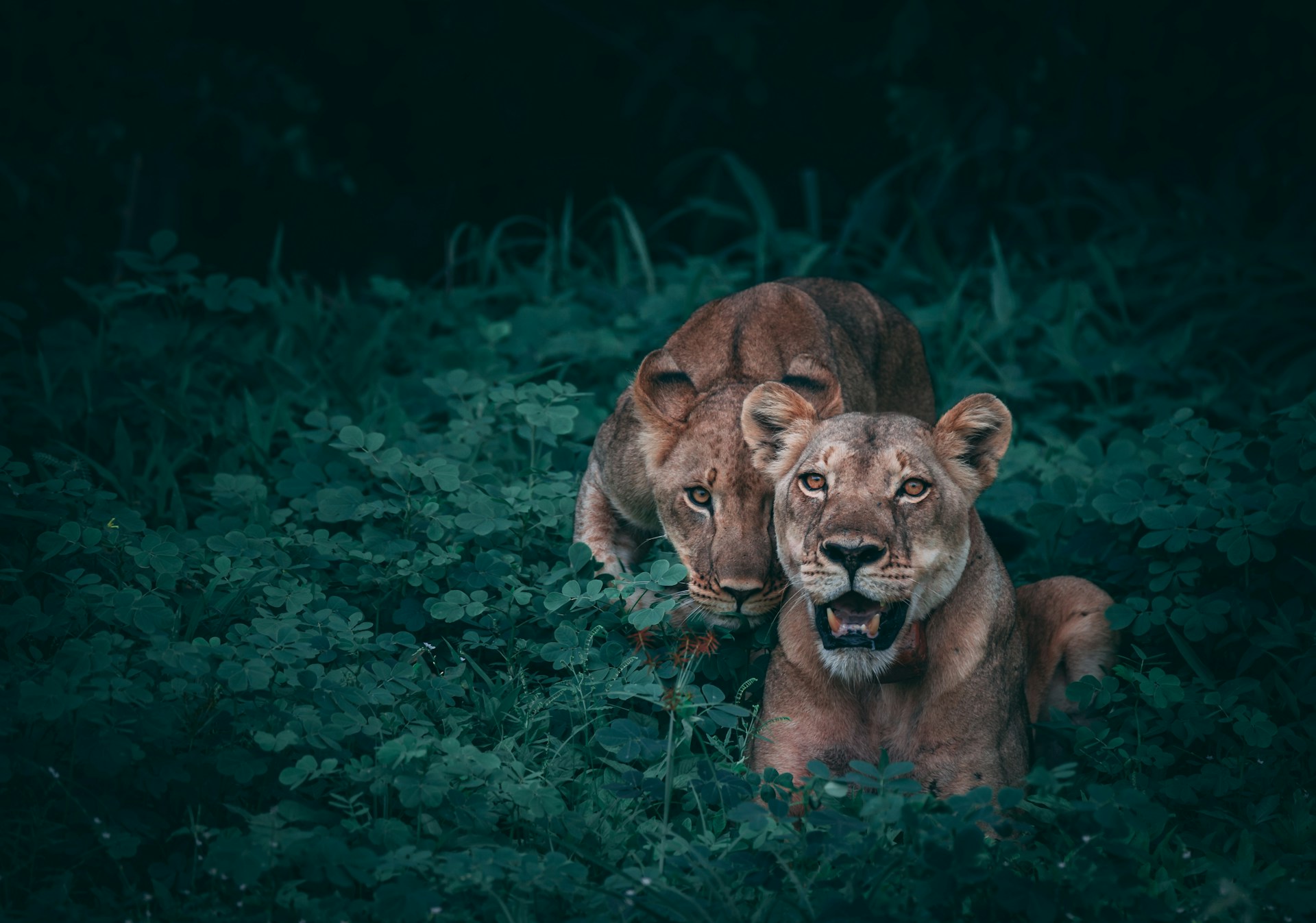
Predators are well represented too. Lions are regularly seen, particularly in the open grasslands and along the riverine forests. Tarangire is one of the best parks in Tanzania for leopard sightings, with these elusive cats often found in the large fig trees and sausage trees along the river. Leopards in Tarangire tend to be more visible than in the Serengeti because the vegetation along the river provides ideal habitat and the lower tourist density means less disturbance.
Cheetahs are present in the open grasslands, particularly in the south of the park. Wild dogs, though rare, are occasionally spotted. Spotted hyenas, black-backed jackals, and bat-eared foxes are common, particularly around the river areas.
The birdlife in Tarangire is exceptional. Over 550 bird species have been recorded, making it one of the most important birding destinations in Tanzania. The park is particularly famous for its large flocks of queleas, which can number in the thousands and create spectacular murmurations against the sky. Other notable species include the yellow-collared lovebird (endemic to Tanzania), the rufous-tailed weaver, the ashy starling, and the massive Kori bustard — Africa's heaviest flying bird.
Dry Season vs Green Season
Understanding the difference between the dry and green seasons is key to planning your Tarangire visit.
Dry Season (June to October): This is the peak safari season in Tarangire. The Tarangire River becomes the only permanent water source in the area, attracting massive concentrations of wildlife from the surrounding dispersal areas. Game viewing is at its absolute best, with large herds of elephants, zebra, and wildebeest gathered along the river. The vegetation is dry and short, making animals easy to spot and photograph.
The dry season is also the best time for birdwatching, particularly for raptors and large flocks of queleas. The weather is warm and dry with clear blue skies, making for comfortable game drives and excellent photographic conditions.
The main downside of the dry season is higher lodge prices and more visitors. However, compared to the Serengeti, Tarangire is still relatively quiet during peak season.
Green Season (November to May): The green season brings dramatic transformation to Tarangire. The landscapes become lush and green, wildflowers bloom across the grasslands, and the park takes on a completely different character. This is also calving season for many of the park's herbivores, and the predator activity is intense as lions, leopards, and wild dogs take advantage of the vulnerable young animals.
Birdwatching is at its absolute peak during the green season, with migratory species from Europe and Asia present in large numbers. The park becomes a kaleidoscope of colour and sound, and the photographic opportunities are outstanding.
The main advantage of the green season is value. Lodge prices drop significantly, and the park is nearly empty of other tourists. If you do not mind the occasional rain shower and want the most affordable and exclusive Tarangire experience, the green season is hard to beat.
A Sample Day in Tarangire
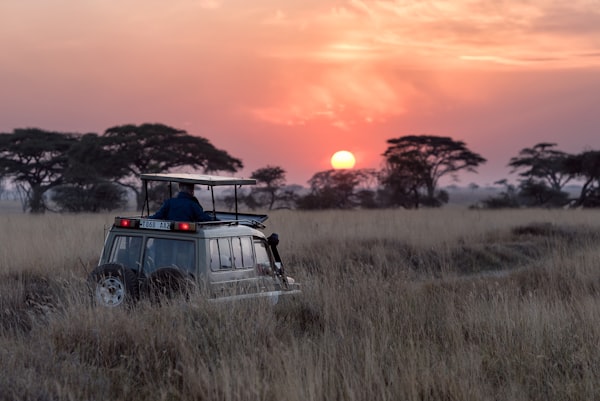
A typical day in Tarangire begins with an early morning game drive, departing the lodge at around 6:30 in the morning. The early hours are the best time for predator activity, and the soft morning light creates beautiful photographic conditions. Your guide will take you along the Tarangire River, scanning for elephants, lions, leopards, and the park's diverse birdlife.
Mid-morning, you may stop for a bush breakfast or return to the lodge for a full breakfast. The midday period is typically spent at the lodge for rest and lunch, as the heat of the day drives many animals into shade and reduces activity.
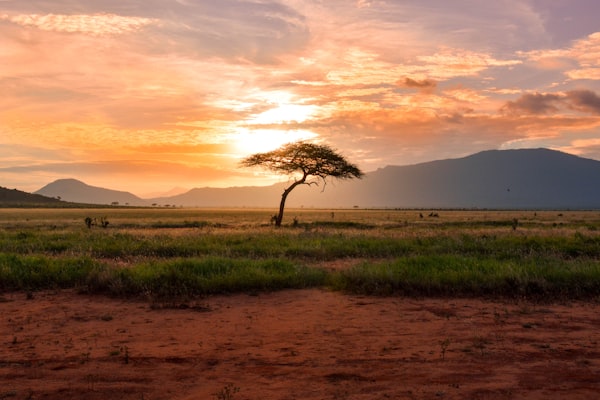
The afternoon game drive begins around 3:30 or 4:00 in the afternoon, as the temperature starts to drop and animals become active again. This is often the best time for elephant sightings, as herds move to the river to drink and bathe. The sunset in Tarangire is spectacular, with the baobab trees creating dramatic silhouettes against the orange sky.
Return to the lodge for dinner and a well-earned rest, listening to the sounds of the African night from your accommodation.
Lodges and Camps
Tarangire offers a range of accommodation options from luxury lodges to mobile tented camps and budget-friendly options.
Luxury: Tarangire Treetops is one of the most unique luxury properties in Tanzania, offering treehouse-style rooms set among the ancient baobabs. The Elephant Wildlife Lodge offers luxury tented accommodation with stunning views over the Tarangire River.
Mid-range: Tarangire Safari Lodge sits on the edge of a rift valley escarpment with panoramic views over the park. It offers comfortable rooms and excellent food. Maramboi Tented Camp is another excellent mid-range option with a beautiful setting on the shores of Lake Manyara.
Budget: Public campsites within the park offer a more affordable option for adventurous travellers. The Kuro Tented Camp is a seasonal camp that operates during the dry season and offers a more authentic bush experience.
Photography Tip
The best time for elephant photography in Tarangire is late afternoon when herds gather at the river to drink and bathe. The low-angle light creates beautiful warm tones, and the water reflections add depth to your images. Position yourself on the opposite bank or at an elevated viewpoint for the best compositions.
How to Get There
Tarangire National Park is located approximately 120 kilometres southwest of Arusha, making it easily accessible as a day trip or as the first stop on a northern circuit safari. The drive from Arusha takes about two to two and a half hours on a paved road.
Many safari itineraries combine Tarangire with nearby Lake Manyara National Park and the Ngorongoro Crater, as all three are in close proximity. A typical itinerary might spend one day in Tarangire, one day in Lake Manyara, and one to two days at the Ngorongoro Crater.
For those with limited time, a day trip from Arusha to Tarangire is possible but not recommended as the best experience. An overnight stay allows you to explore the park more thoroughly and enjoy the full range of wildlife activity from early morning to late afternoon.
Tarangire is the park that surprises people most. Visitors come expecting elephants and baobabs, and they leave having experienced one of the most complete and rewarding wildlife destinations in Tanzania. It is the hidden gem of the northern circuit.
Whether you visit during the dry season for the massive elephant concentrations or during the green season for the lush landscapes and birdlife, Tarangire National Park delivers an experience that is uniquely its own. It is a place where giants roam, where ancient trees tell the story of a thousand years, and where the African wilderness reveals itself in its most authentic form.