Lake Manyara National Park may be small by Tanzanian standards, covering just 330 square kilometres, but what it lacks in size it more than makes up for in diversity. This compact park packs an extraordinary range of habitats into a narrow strip of land between the Rift Valley escarpment and the alkaline waters of Lake Manyara, creating a wildlife experience that is unlike anywhere else in Tanzania.
Famous for its tree-climbing lions, massive flocks of flamingos, and dense groundwater forest, Lake Manyara is a park that surprises and delights visitors. It is an ideal addition to any northern circuit safari itinerary, and for those with limited time, a day trip from Arusha offers a genuine taste of the Tanzanian wilderness.
The Tree-Climbing Lions
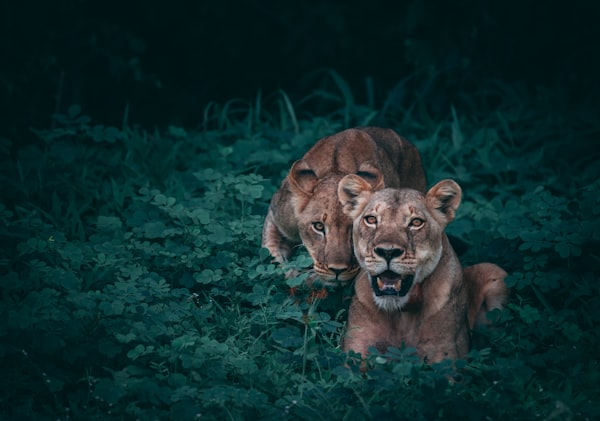
Lake Manyara is one of the few places in Africa where lions regularly climb trees. While lions elsewhere occasionally climb to escape insects or get a better view, the lions of Lake Manyara are famous for spending extended periods resting in the branches of acacia and sausage trees. This behaviour is relatively unique and has made the park a major draw for wildlife enthusiasts and photographers.
The exact reason why Lake Manyara's lions climb trees is not fully understood, but several theories exist. The most commonly cited explanation is that the dense vegetation on the ground makes it uncomfortable for lions to rest on the forest floor, particularly during the wet season when tsetse flies and other biting insects are prevalent. The tree branches provide relief from these pests and also offer a cool breeze on hot days.
Another theory suggests that the tree-climbing behaviour is a learned trait passed down through generations of lions in the park. Whatever the reason, it creates one of the most photogenic wildlife scenes in Africa — a pride of lions draped across the branches of an ancient acacia, watching the world below with regal indifference.
Finding the tree-climbing lions requires patience and a good guide. They are most commonly seen in the acacia woodland areas of the park, particularly in the southern and central sections. Early morning and late afternoon are the best times to look, as the lions tend to climb during the warmer parts of the day.
Flamingos and the Alkaline Lake
Lake Manyara is an alkaline soda lake that covers about two-thirds of the park's area. During the wet season, the lake supports massive flocks of flamingos that can number in the hundreds of thousands, creating one of the most spectacular birding displays in East Africa.
The lesser flamingo is the most common species, with its distinctive pink plumage creating a beautiful contrast against the blue water and green vegetation. Greater flamingos are also present in smaller numbers. The sight of thousands of flamingos feeding in the shallow waters, their reflections creating a mirror effect on the lake surface, is truly breathtaking.
The flamingo populations are seasonal and depend on water levels and the availability of algae, which is their primary food source. During the dry season, when the lake level drops, more algae is exposed, attracting larger flocks of flamingos. The best viewing is typically from June to September and again from November to March.
Beyond flamingos, Lake Manyara supports over 400 bird species, making it one of the most important birding destinations in Tanzania. Pelicans, storks, egrets, and numerous species of duck and wader are regularly seen. The park is also an important habitat for the endangered pangolin and the black colobus monkey.
The Groundwater Forest
The entrance to Lake Manyara passes through one of the most remarkable ecosystems in Tanzania — a dense groundwater forest fed by springs and underground streams flowing from the Ngorongoro Highlands. This lush, tropical forest is a stark contrast to the open grasslands and acacia woodlands found elsewhere in the park.
The groundwater forest is home to large troops of olive baboons and blue monkeys, which are commonly seen in the canopy and along the roadside. The forest also supports bushbuck, bushpig, and a variety of forest birds including turacos, hornbills, and the beautiful silvery-cheeked hornbill.
Walking through the groundwater forest is a magical experience. The air is cool and damp, the vegetation is thick and green, and the sounds of birds and primates fill the air. It feels more like a tropical rainforest than an East African safari park, and it sets the tone for the diverse experience that awaits within Lake Manyara.
The Game Drive Experience
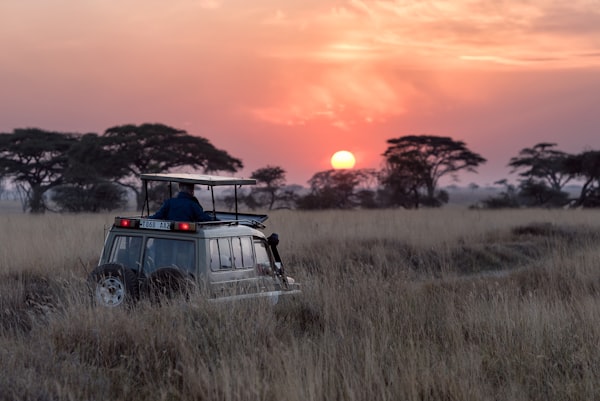
Lake Manyara's game drive circuit follows a single main road that loops through the park's diverse habitats. The circuit takes approximately three to four hours to complete at a comfortable pace, making it ideal for a day trip or a half-day excursion.
The game drive begins in the groundwater forest, where you will see baboons, blue monkeys, and forest birds. The road then emerges into open grassland and acacia woodland, where the tree-climbing lions, giraffes, zebras, and wildebeest are found. Further into the park, the landscape opens up to the alkaline lake shore, where flamingos, pelicans, and other water birds congregate.
The Rift Valley escarpment forms a dramatic backdrop to the entire game drive. The steep, forested cliffs rise 600 metres above the park floor, creating a natural amphitheatre that frames the wildlife and landscapes beautifully. The viewpoints along the escarpment road offer panoramic views over the park and the lake below.
One of the unique aspects of a Lake Manyara game drive is the variety of ecosystems you pass through in a relatively short distance. You can experience groundwater forest, acacia woodland, open grassland, and alkaline lake shore all within a few hours, which is remarkable for a park of this size.
Best Time to Visit Lake Manyara
Dry Season (June to October): Best for general game viewing and large flamingo flocks. The vegetation is shorter, making animals easier to spot.
Green Season (November to May): Beautiful green landscapes, migratory birds, and fewer visitors. Flamingo numbers vary with water levels. Excellent for photography.
Lodges and Camps
Lake Manyara offers several excellent accommodation options, from luxury lodges perched on the Rift Valley escarpment to more affordable tented camps in the surrounding area.
Luxury: Lake Manyara Tree Lodge is the most famous property, located within the park itself. It offers luxury treehouse-style rooms set among the forest canopy, with guided walks and night drives included. The views from the lodge are spectacular, and the setting is among the most unique in Tanzania.
Mid-range: Escarpment Luxury Lodge sits on the edge of the Rift Valley with stunning views over the lake. Kirurumu Tented Lodge is another excellent option, offering tented accommodation with panoramic views of the lake and the Great Rift Valley.
Budget: Public campsites are available within the park for those who want a more adventurous experience. Several campsites are located near the lake shore, offering the chance to fall asleep to the sounds of flamingos and hippos.
Day Trip vs Overnight
Lake Manyara is one of the few major Tanzanian parks that works well as a day trip from Arusha. The drive from Arusha takes approximately one and a half to two hours, making it feasible to visit the park, complete a game drive, and return to Arusha in a single day.
However, an overnight stay offers a significantly richer experience. Staying at a lodge on the Rift Valley escarpment allows you to enjoy the sunset over the lake, take a guided night drive to see nocturnal animals, and explore the park at a more relaxed pace. The morning light in Lake Manyara is particularly beautiful, with mist rising from the lake and the escarpment catching the first rays of sun.
For those combining Lake Manyara with other northern circuit destinations, an overnight stay allows you to break up the journey and spend quality time in the park without feeling rushed. Many safari itineraries include one night at Lake Manyara before continuing to the Ngorongoro Crater or the Serengeti.
Photography Tips
Lake Manyara offers some of the most diverse and photogenic scenes in Tanzania. Here are some tips for capturing the best images.
For the tree-climbing lions, a telephoto lens in the 200 to 400mm range is ideal. Position yourself so that the tree and the lion are framed against the sky or the escarpment for the most dramatic compositions. Early morning light is best for these shots.
For the flamingos, a wide-angle lens captures the scale of the flocks beautifully. Look for compositions that include the water reflections and the escarpment in the background. The best light for flamingo photography is early morning or late afternoon when the low sun creates warm tones and long shadows.
The groundwater forest is a challenge for photography due to the low light levels under the canopy. Use a high ISO setting and a fast lens to capture the primates and birds. A bean bag or monopod can help stabilise your camera for sharp shots in the dim forest light.
Lake Manyara is the park that proves big things really do come in small packages. In just a few hours, you can experience groundwater forest, tree-climbing lions, flamingo-covered lakes, and one of the most dramatic landscapes in Africa. It is a must-visit for any Tanzania safari.
Whether you come for the famous tree-climbing lions, the flamingo flocks, or simply the beauty of the Rift Valley landscape, Lake Manyara National Park delivers an experience that is compact, diverse, and unforgettable. It is the perfect introduction to the wonders of a Tanzania safari.