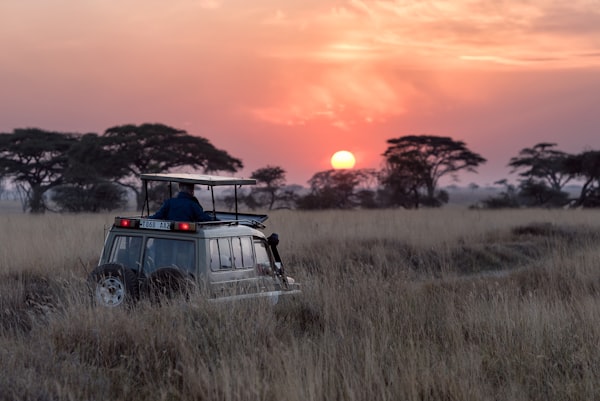

The Ngorongoro Crater is one of the most extraordinary places on Earth. This massive volcanic caldera, formed roughly two to three million years ago when a giant volcano collapsed in on itself, is now a self-contained ecosystem that supports an astonishing concentration of wildlife. It is a UNESCO World Heritage Site, and for good reason — nowhere else on the planet can you find so many large animals packed into such a compact area.
If you are planning a safari in Tanzania, a visit to the Ngorongoro Crater should be at the top of your list. This guide covers everything you need to know about visiting this remarkable destination, from the wildlife you can expect to see to the lodges on the crater rim and the rules that govern game drives on the crater floor.
What Is the Ngorongoro Crater?
The Ngorongoro Crater is the world's largest intact, un-flooded volcanic caldera. It measures approximately 19 kilometres across and 600 metres deep, covering an area of about 260 square kilometres. The crater floor is home to an estimated 25,000 large animals, making it one of the densest wildlife concentrations anywhere in Africa.
What makes the crater unique is its enclosed nature. The steep walls create a natural barrier that keeps most of the animals permanently on the crater floor. Unlike the open plains of the Serengeti where animals migrate vast distances, the crater's residents live within its walls year-round. This means you are almost guaranteed to see wildlife during a game drive, no matter when you visit.
The crater was designated a UNESCO World Heritage Site in 1979 and forms part of the larger Ngorongoro Conservation Area, a multi-use zone where Maasai pastoralists live alongside wildlife in one of the few places in Africa where humans and wild animals coexist in close proximity.
What Wildlife Can You See?
The Ngorongoro Crater is famous for its Big Five — lion, leopard, elephant, buffalo, and black rhino. It is widely considered the best single location in East Africa to see all five in one game drive, and the only place where black rhino can be reliably seen in the wild in Tanzania.
Black Rhinos are the crater's most precious residents. The Ngorongoro Crater holds one of the last viable populations of black rhino in Tanzania, with approximately 20 to 25 individuals living on the crater floor. Seeing a black rhino in its natural habitat is a rare privilege, and the crater offers the best chance of doing so.
Lions are abundant in the crater, with an estimated 70 or more individuals. The crater's dense lion population means sightings are virtually guaranteed. The lions here are relatively habituated to vehicles, allowing for excellent close-up viewing and photography.
Elephants are present in good numbers, particularly the large-tusked bulls that frequent the crater floor. While elephants in the crater tend to be smaller in number than in places like Tarangire, the setting — with the crater walls as a backdrop — makes for spectacular photographs.
Buffalo herds are common on the crater floor, often seen grazing on the open grasslands near the lakes. The crater supports several thousand buffalo, and herds of several hundred individuals are not uncommon.
Leopards are present but more difficult to spot due to their secretive nature and the dense vegetation along the crater rim where they tend to hide. However, with a good guide, leopard sightings are possible, particularly in the forested areas on the eastern side of the crater.
Beyond the Big Five, the crater is home to huge herds of wildebeest, zebra, Thomson's gazelle, Grant's gazelle, eland, and waterbuck. Large predators including spotted hyenas, cheetahs, and black-backed jackals are regularly seen. The crater is also a birdwatcher's paradise, with over 500 species recorded including flamingos on the soda lakes, secretary birds, and martial eagles.
A Day-by-Day Game Drive Experience
Most visitors spend one full day game driving on the crater floor. The experience typically begins early in the morning when you descend the steep crater wall — a dramatic 600-metre drop that takes about 20 to 30 minutes by vehicle. The descent itself is memorable, with the road winding down through dense forest before opening onto the vast crater floor below.
Once on the floor, your guide will take you on a circuit of the main wildlife areas. The grasslands in the centre of the crater support large herds of wildebeest and zebra. The hippo pool near the Lerai Forest is a popular stop where you can watch hippos wallowing in the water. The soda lakes on the eastern side attract flamingos and other water birds, creating beautiful pink-tinged landscapes.
Picnic lunch is typically served at one of the designated picnic sites on the crater floor, often near the hippo pool or by one of the small forests. This is a magical experience — eating lunch surrounded by wildlife with the crater walls towering above you.
In the late afternoon, you ascend back up the crater wall to your lodge on the rim. The sunset views from the rim are spectacular, and many lodges offer sundowner drinks with panoramic views over the crater below.
Lodges on the Crater Rim
Staying on the crater rim offers stunning views and easy access for morning descents. The rim lodges range from luxury to budget options, each with its own character.
Ngorongoro Crater Lodge is the most famous luxury option, perched on the southern rim with opulent suites and butler service. The views from the lodge are among the best in Africa, and the descend-and-ascend game drive format makes for a seamless experience.
andBeyond Ngorongoro Crater Lodge offers similar luxury with a focus on conservation and community. The lodge has a strong sustainability programme and employs local Maasai staff.
Serena Ngorongoro Crater Lodge is a mid-range to luxury option with comfortable rooms and excellent food. It sits on the eastern rim and offers good access to the crater floor.
Rhino Lodge is a more affordable option with comfortable rooms and a central location on the rim. It offers good value for visitors who want to experience the crater without the luxury price tag.
Ngorongoro Wildlife Lodge is another mid-range option with stone-built rooms and a swimming pool. It is located on the eastern rim and offers panoramic views over the crater.
Crater Game Drive Rules
Vehicles are allowed a maximum of six hours on the crater floor. This limit helps reduce human impact on the ecosystem and ensures that all visitors have a fair chance to experience the wildlife. Your guide will plan the game drive to maximise your time and ensure you see the key areas within this window.
Best Time to Visit the Crater
The Ngorongoro Crater is a year-round destination. Unlike the Serengeti where the migration creates distinct seasonal variations, the crater's enclosed ecosystem keeps animals present throughout the year. However, there are some differences worth noting.
The dry season from June to October offers the best visibility and easiest game viewing. The shorter grass makes animals easier to spot, and the concentrated water sources keep wildlife on the crater floor in large numbers. This is the most popular time to visit, and the lodges on the rim tend to be at their busiest.
The green season from November to May brings lush landscapes and fewer tourists. The crater floor is carpeted in green, the birdlife is exceptional with migratory species present, and the lodge rates are significantly lower than peak season. The rains can make the crater floor slightly muddy, but game viewing remains excellent.
February and March are particularly good months for the crater as the calving season in the surrounding Ngorongoro Conservation Area brings thousands of wildebeest and zebra to the area, with many moving onto the crater floor. This adds an extra dimension to the already spectacular wildlife viewing.
Conservation Success and Challenges
The Ngorongoro Crater is often cited as one of Africa's greatest conservation success stories. The ecosystem has been protected since 1959 when the Ngorongoro Conservation Area was established, and the results speak for themselves — a healthy, balanced ecosystem with thriving populations of large predators and prey.
The black rhino population in the crater is one of the most significant in East Africa. Intensive anti-poaching efforts and strict management have allowed this critically endangered species to survive in a relatively safe environment. The crater's rhinos are monitored closely, and their recovery is a testament to the effectiveness of the conservation programme.
However, the crater faces ongoing challenges. The increasing number of tourists and vehicles on the crater floor creates pressure on the ecosystem. The management authority, the Ngorongoro Conservation Area Authority (NCAA), has implemented strict rules including the six-hour limit on crater floor visits and restrictions on off-road driving to minimise human impact.
Climate change is also a concern, with changing rainfall patterns potentially affecting the water sources and grasslands that sustain the crater's wildlife. Long-term monitoring and adaptive management will be essential to ensure the crater remains a viable ecosystem for generations to come.
Photography Tips for the Crater
The Ngorongoro Crater is one of the most photogenic locations in Africa. The combination of the dramatic caldera setting, abundant wildlife, and varied light conditions make it a photographer's dream.
The descent into the crater offers incredible landscape photography opportunities. Stop at viewpoints along the descent road for wide-angle shots of the crater floor below. Early morning light is best for these shots, with mist often clinging to the crater floor creating a mystical atmosphere.
On the crater floor, a telephoto lens in the 200 to 400mm range is essential for wildlife photography. The open grasslands allow for relatively close approach to animals, but a long lens will still help you capture details and intimate portraits.
The soda lakes on the eastern side of the crater are beautiful in the late afternoon when the flamingos create pink reflections on the water. Position yourself with the sun behind you for the best colour and contrast.
For the best overall perspective, try to capture images that include the crater walls in the background. This gives context to your wildlife shots and creates images that are uniquely Ngorongoro rather than generic safari photographs.
Standing on the rim of the Ngorongoro Crater and looking down at the wildlife scattered across the floor below is one of those moments that stays with you forever. It is a reminder of what our planet was like before human activity reshaped it.
The Ngorongoro Crater is more than just a game viewing destination. It is a window into Africa's ancient past, a living laboratory of ecology, and one of the most compelling arguments for wildlife conservation anywhere in the world. A visit here is not just a safari — it is a privilege.