The term Big Five was coined by big-game hunters in the late 19th century and referred to the five most difficult animals in Africa to hunt on foot: lion, leopard, elephant, buffalo, and rhino. Today, the term has been reclaimed by the safari industry and refers to seeing these five magnificent animals in the wild. For many safari travellers, spotting all five is the ultimate goal.
Tanzania is one of the best countries in Africa to see the Big Five. The country's diverse national parks and conservation areas provide habitats for all five species, and with the right itinerary and an experienced guide, seeing all of them in a single trip is entirely achievable.
The Big Five: A Quick Overview
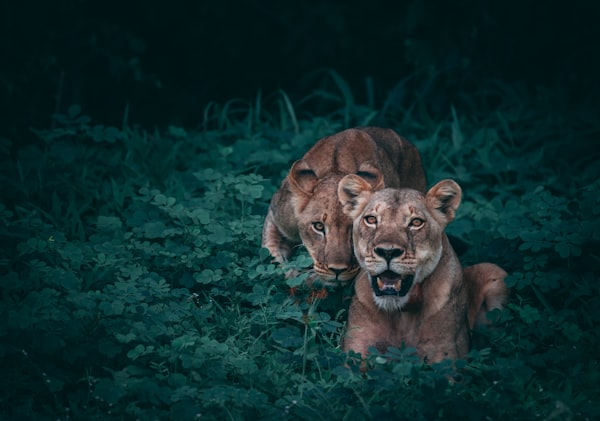
Lion — the king of the African savanna. Lions are social cats that live in groups called prides. They are the most commonly seen of the Big Five and are found in most of Tanzania's major parks.
Leopard — the most elusive of the Big Five. Leopards are solitary, nocturnal cats that spend much of their time in trees or thick vegetation. They are the hardest of the five to spot, but a good guide can usually find them.
Elephant — the largest land animal on Earth. African elephants are intelligent, social creatures that live in family groups led by a matriarch. Tanzania has some of the largest elephant populations in East Africa.
Buffalo — one of Africa's most dangerous animals. Cape buffalo are large, unpredictable herbivores that live in massive herds. They are widespread in Tanzania and are often seen in large numbers.
Rhino — the rarest of the Big Five. Both black and white rhino are found in Africa, but they have been severely impacted by poaching. The black rhino is critically endangered, and the best place to see one in Tanzania is the Ngorongoro Crater.
Where to See Each Animal
Lion
Tanzania is home to an estimated 8,000 to 10,000 lions, making it one of the best countries in Africa for lion viewing. The Serengeti National Park is the premier destination, with several large prides that are well-known to guides and relatively easy to find.
The Seronera area in the central Serengeti is particularly good for lions, with prides that are accustomed to vehicles and allow close approach. The kopjes (rocky outcrops) in the Seronera area are classic lion territories, and finding a pride resting on or around these formations is a highlight of any safari.
The Ngorongoro Crater also has an excellent lion population. The crater's enclosed ecosystem supports around 70 lions, and sightings are virtually guaranteed during a game drive. The lions here are often seen in the open grasslands on the crater floor.
Lake Manyara National Park is famous for its tree-climbing lions, which can occasionally be found resting in the branches of acacia trees. While this behaviour is not unique to Manyara, it is more commonly observed here than in most other parks.
Best parks for lion: Serengeti, Ngorongoro Crater, Lake Manyara, Ruaha
Leopard
The leopard is the most challenging of the Big Five to find. These cats are masters of stealth, spending much of their time in dense vegetation or draped along tree branches. However, Tanzania has some excellent leopard habitats, and experienced guides know where to look.
The Serengeti's Seronera area is considered one of the best places in Africa for leopard sightings. The riverine forests along the Seronera River provide ideal leopard habitat, and several well-known individuals are regularly spotted by guides. The key is to look up — leopards often rest in the branches of sausage trees and fig trees.
Tarangire National Park also has a good leopard population. The park's riverine forests and dense woodlands along the Tarangire River provide excellent habitat. Leopards in Tarangire tend to be slightly more elusive than their Serengeti counterparts, but a knowledgeable guide can usually track one down.
The Ngorongoro Crater rim and the forested areas of the Crater Highlands are home to leopards, though sightings here are less common than in the Serengeti or Tarangire due to the dense vegetation.
Best parks for leopard: Serengeti (Seronera), Tarangire, Ngorongoro Crater rim
Elephant
Tanzania has a thriving elephant population, estimated at over 60,000 individuals. Tarangire National Park is the undisputed champion for elephant viewing, with the highest density of elephants in East Africa.
During the dry season from June to October, Tarangire's permanent river attracts massive herds of elephants — sometimes numbering in the hundreds. Watching a herd of fifty or more elephants move along the riverbank with the baobab-studded landscape as a backdrop is one of Tanzania's most iconic safari images.
The Serengeti also has a healthy elephant population, though the animals are more spread out across the vast plains. The Seronera area and the northern Serengeti around Lobo offer good elephant sightings.
Ruaha National Park in southern Tanzania has one of the largest elephant populations in the country. The park's rugged terrain and permanent rivers support large herds that are often seen during the dry season when they concentrate around water sources.
Best parks for elephant: Tarangire, Ruaha, Serengeti, Nyerere (Selous)
Buffalo
Cape buffalo are among the most abundant large animals in Tanzania. They are found in most national parks and conservation areas, and sightings are virtually guaranteed on any safari.
The Serengeti and Ngorongoro Crater support some of the largest buffalo populations. In the Serengeti, herds of several hundred individuals are common during the dry season when animals concentrate around water sources. In the Ngorongoro Crater, buffalo share the grasslands with wildebeest, zebra, and other grazers.
Tarangire and Lake Manyara also have good buffalo populations. Buffalo in these parks tend to be in smaller herds than in the Serengeti but are still regularly seen during game drives.
While buffalo may not be as glamorous as lions or leopards, they are fascinating animals in their own right. Large herds can be dramatic to observe, and individual bulls that have left the herd are often impressive specimens with massive curved horns.
Best parks for buffalo: Serengeti, Ngorongoro Crater, Tarangire, Lake Manyara
Black Rhino
The black rhino is the rarest and most endangered of the Big Five. Across Africa, black rhino populations were decimated by poaching in the 20th century, but intensive conservation efforts have helped some populations recover.
The Ngorongoro Crater is by far the best place to see black rhino in Tanzania. The crater holds one of the last significant populations of black rhino in East Africa, with approximately 20 to 25 individuals. Seeing a black rhino on the crater floor is a rare privilege and a highlight of any safari.
The black rhino population in the Ngorongoro Crater is closely monitored by conservation authorities. The animals are habituated to vehicles to some degree, which allows for relatively close viewing without causing stress to the animals.
Serengeti National Park also has a small black rhino population, but sightings are extremely rare. The animals tend to be shy and live in dense vegetation, making them very difficult to find.
Ruaha National Park has a growing black rhino population thanks to successful anti-poaching efforts. While sightings are still uncommon, the park is an important refuge for the species.
Best parks for black rhino: Ngorongoro Crater (best chance), Ruaha (growing population), Serengeti (very rare)
Best Parks for All Big Five
If your goal is to see all five in one trip, the best combination is the Ngorongoro Crater and Serengeti. The crater gives you an excellent chance at all five including the rare black rhino, while the Serengeti provides the open landscapes and large predator populations that complete the experience. A 5 to 7 day itinerary covering these two parks gives you the highest probability of seeing all Big Five.
Tips from Our Guides
Our guides have collectively spent thousands of hours in the field, and their experience is your greatest asset on a Big Five safari. Here are some of their top tips.
Morning game drives are best for predators. Lions and leopards are most active in the early morning and late afternoon. Plan your game drive times accordingly.
Look for tracks on the road. An experienced guide can identify animal tracks and use them to locate specific species. Fresh tracks indicate animals are nearby.
Be patient with rhino. Black rhinos in the Ngorongoro Crater can be difficult to spot due to their habit of standing still in dense vegetation. Your guide will use binoculars and local knowledge to find them, but it may take time.
Use your binoculars. Always scan the landscape with binoculars before getting out of the vehicle. Many animals that are invisible to the naked eye become obvious when viewed through binoculars.
Trust your guide's instincts. If your guide decides to change direction or investigate a sound, follow their lead. They know the animals and the land better than anyone.
Sample Big Five Itineraries
3-Day Quick Big Five: Tarangire and Ngorongoro Crater. This short itinerary covers the best elephant habitat in Tanzania and the only reliable place to see black rhino. It is possible to see all five in three days with good timing and an experienced guide.
5-Day Classic: Tarangire, Lake Manyara, Serengeti, and Ngorongoro Crater. This itinerary gives you the best chance of seeing all five across multiple ecosystems. The Serengeti adds the chance of seeing large predator prides in open landscapes.
7-Day Comprehensive: Tarangire, Serengeti (north and central), and Ngorongoro Crater. The extra days in the Serengeti allow for deeper exploration and increase your chances of finding leopard. This is the recommended itinerary for serious wildlife enthusiasts.
Seeing the Big Five is a fantastic safari goal, but do not let it become an obsession. The beauty of a Tanzania safari lies in the journey itself — the landscapes, the smaller animals, the birdlife, and the sheer wonder of being in the African wilderness. The Big Five will come to you if you are patient and observant.
Tanzania offers some of the best Big Five viewing in Africa, and with the right planning, there is an excellent chance you will see all five during your safari. The key is choosing the right parks, travelling with an experienced guide, and allowing enough time to explore each area thoroughly.