
Complete Guide to
Climbing Kilimanjaro
Everything you need to know about climbing Africa's highest mountain — routes, costs, preparation, and expert tips from local guides.
Why Climb Kilimanjaro?
Mount Kilimanjaro is the tallest free-standing mountain in the world and the highest peak in Africa. At 5,895 metres above sea level, Uhuru Peak offers a sense of achievement that few experiences can match. But Kilimanjaro is not just about the summit — it is about the journey. Over five to nine days, you traverse five distinct climate zones: tropical rainforest, heath and moorland, alpine desert, and the arctic summit. Each zone offers completely different scenery, vegetation, and wildlife.
Unlike technical climbing peaks, Kilimanjaro requires no ropes, no ice axes, and no prior climbing experience. It is a trek — a long, challenging walk that tests your endurance and mental fortitude. With the right preparation, proper gear, and an experienced guide team, anyone with reasonable fitness can reach the top. The mountain has been summited by people aged 7 to 85, by professional athletes and office workers alike. What matters most is not your physical strength but your willingness to keep putting one foot in front of the other.
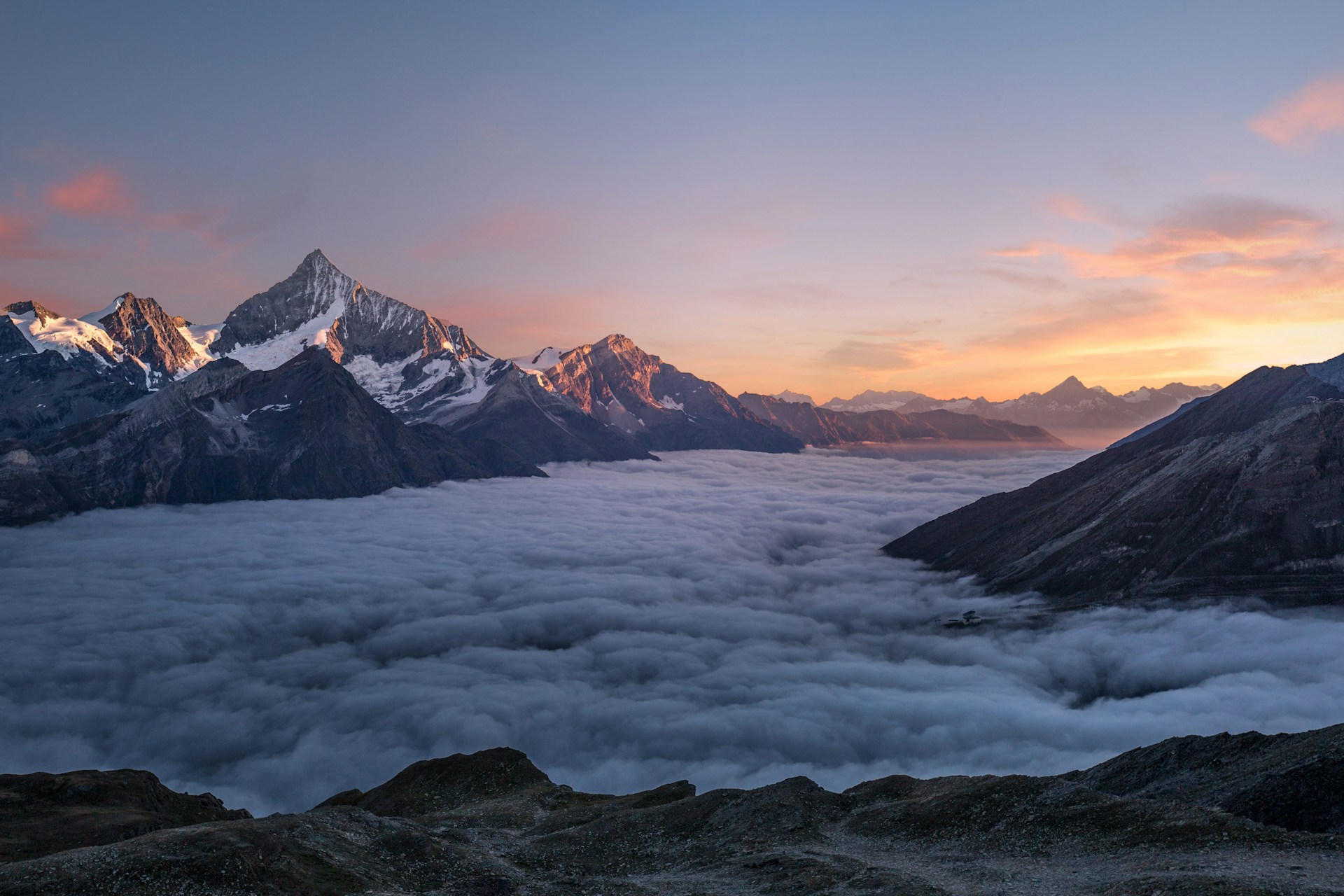
The reward for your effort is extraordinary. Standing on Uhuru Peak at sunrise, watching the sun paint Kilimanjaro's glaciers gold and pink, with the clouds spread below you like a cotton sea — this is a moment that changes how you see the world. It is why over 35,000 people attempt the climb every year, and why the ones who succeed describe it as the most transformative experience of their lives.
Kilimanjaro Routes Compared
There are seven established routes up Kilimanjaro, each offering different scenery, difficulty levels, and summit success rates. Choosing the right route is one of the most important decisions you will make — it affects your daily experience, your chances of reaching the summit, and the overall character of your climb.
Lemosho Route
The most scenic and successful route. Offers stunning views, excellent acclimatization, and the highest summit success rate. The best choice for most climbers.
View Lemosho Package →Machame Route
The "Whisky Route" — steep, challenging, and dramatic. Features the famous Barranco Wall scramble. Excellent for adventurous climbers who want variety.
View Machame Package →Marangu Route
The only route with hut accommodation. Shorter but steeper, with lower summit success rates. Best for budget-conscious climbers who prefer huts over tents.
View Marangu Package →Rongai Route
The northern approach from Kenya. Drier conditions, fewer crowds, and excellent wildlife viewing. Best for those who want solitude and consistent weather.
View Rongai Package →Northern Circuit
The longest route with the best acclimatization profile. Circumnavigates the mountain for maximum scenic variety. Best for those with extra time who want the best chance of summiting.
View Northern Circuit →Umbwe Route
The most direct and steepest route. Very challenging with rapid altitude gain. Only for experienced, fit climbers who want the toughest challenge.
View Umbwe Package →How Much Does It Cost to Climb Kilimanjaro?
The cost of climbing Kilimanjaro varies significantly depending on your budget, group size, and preferred level of comfort. Here is a realistic breakdown of what you can expect to pay:
| Expense | Budget | Mid-Range | Premium | Luxury |
|---|---|---|---|---|
| Kilimanjaro climb (6-8 days) | $1,550 – $2,000 | $2,500 – $3,500 | $4,000 – $5,500 | $6,000 – $10,000 |
| Park fees & taxes | ~$1,000 per person (included in climb price) | |||
| Tips (guides & porters) | $250 – $350 | $350 – $500 | $500 – $700 | $700 – $1,000 |
| Gear rental (if needed) | $100 – $200 | $100 – $200 | Included | Included |
| Total estimate | $1,900 – $2,550 | $3,000 – $4,200 | $4,500 – $6,200 | $6,700 – $11,000 |
What is included in most packages: All park fees, professional guides, porters, meals on the mountain, tented accommodation, transfers from Moshi/Arusha, and summit certificate. What is NOT included: tips, travel insurance, visa fees, and personal gear.
Best Time to Climb Kilimanjaro
Kilimanjaro can be climbed year-round, but certain months offer significantly better conditions than others. The mountain has two dry seasons and two rainy seasons:
- June to October (Long Dry Season): The best months for climbing. Clear skies, minimal rain, and excellent visibility. July and August are peak season with the most climbers. September and October offer the best balance of good weather and fewer crowds.
- January to February (Short Dry Season): Warm temperatures with occasional afternoon showers. Moderate crowd levels. Good alternative to peak season with slightly lower prices.
- March to May (Long Rains): Heavy rainfall, muddy trails, and persistent cloud cover. The least popular season but offers the lowest prices and fewest climbers. Not recommended for first-timers.
- November (Short Rains): Afternoon showers with clear mornings. Trails can be muddy but passable. The quietest season with the lowest prices.
For the best balance of weather, crowds, and summit success, we recommend climbing in late September or October. You get dry conditions, moderate temperatures, and the trails are less crowded than the July-August peak.
Altitude Sickness: What You Need to Know
Altitude sickness is the most significant health risk on Kilimanjaro. As you ascend, the air pressure decreases and the amount of oxygen available drops. At 5,895 metres, the air contains roughly half the oxygen of sea level. Your body needs time to adjust — and if you ascend too quickly, altitude sickness can develop.
The symptoms of altitude sickness include headache, nausea, dizziness, loss of appetite, and fatigue. In severe cases, it can progress to HACE (High Altitude Cerebral Oedema) or HAPE (High Altitude Pulmonary Oedema), which are life-threatening conditions requiring immediate descent.
The best prevention is to climb slowly, stay hydrated, and choose a route with good acclimatization profiles (Lemosho or Northern Circuit). Our guides carry pulse oximeters and first aid kits, and they monitor every climber's condition daily. If symptoms develop, the guide will administer medication and, if necessary, arrange immediate descent.
How to Train for Kilimanjaro
Kilimanjaro is not a technical climb, but it demands serious cardiovascular endurance. You will be hiking for 6-8 hours a day at altitude with a daypack. Our recommended training programme starts 12 weeks before your trip:
- Weeks 1-4 (Base Building): Focus on cardiovascular fitness. Run, cycle, or swim 3-4 times per week for 30-45 minutes. Add two sessions of leg-strengthening exercises: squats, lunges, step-ups, and calf raises.
- Weeks 5-8 (Endurance Phase): Increase hiking distance to 4-6 hours with a 7-10 kg pack. Add interval training (hill sprints or stair climbing) twice per week.
- Weeks 9-12 (Peak Phase): Hike for 6-8 hours with a loaded pack on consecutive days. Taper training in the final week before departure.
Essential Packing List
Packing for Kilimanjaro is about layering. You will experience temperatures from 30°C in the rainforest to -20°C at the summit. Here are the essentials:
- Sleeping bag: Rated to -15°C minimum (for Machame/Lemosho routes)
- Base layers: Moisture-wicking thermal top and bottom (merino wool or synthetic)
- Insulating layer: Fleece jacket or lightweight down jacket
- Outer layer: Waterproof and windproof jacket and pants
- Footwear: Sturdy, waterproof hiking boots that are well broken in
- Accessories: Warm hat, balaclava, gloves (liner + insulated), headlamp, trekking poles
- Sun protection: Sunscreen SPF 50+, sunglasses, lip balm with SPF
- Hydration: 3-litre water bladder or bottles, water purification tablets
Frequently Asked Questions
Ready to Climb Kilimanjaro?
Our experienced team has guided thousands of climbers to the summit. Let us plan your perfect Kilimanjaro adventure.