Incredible Wildlife Encounters
Discover elephants, lions, giraffes, zebras, and other wildlife with knowledgeable local guides who know where to look and when to wait.

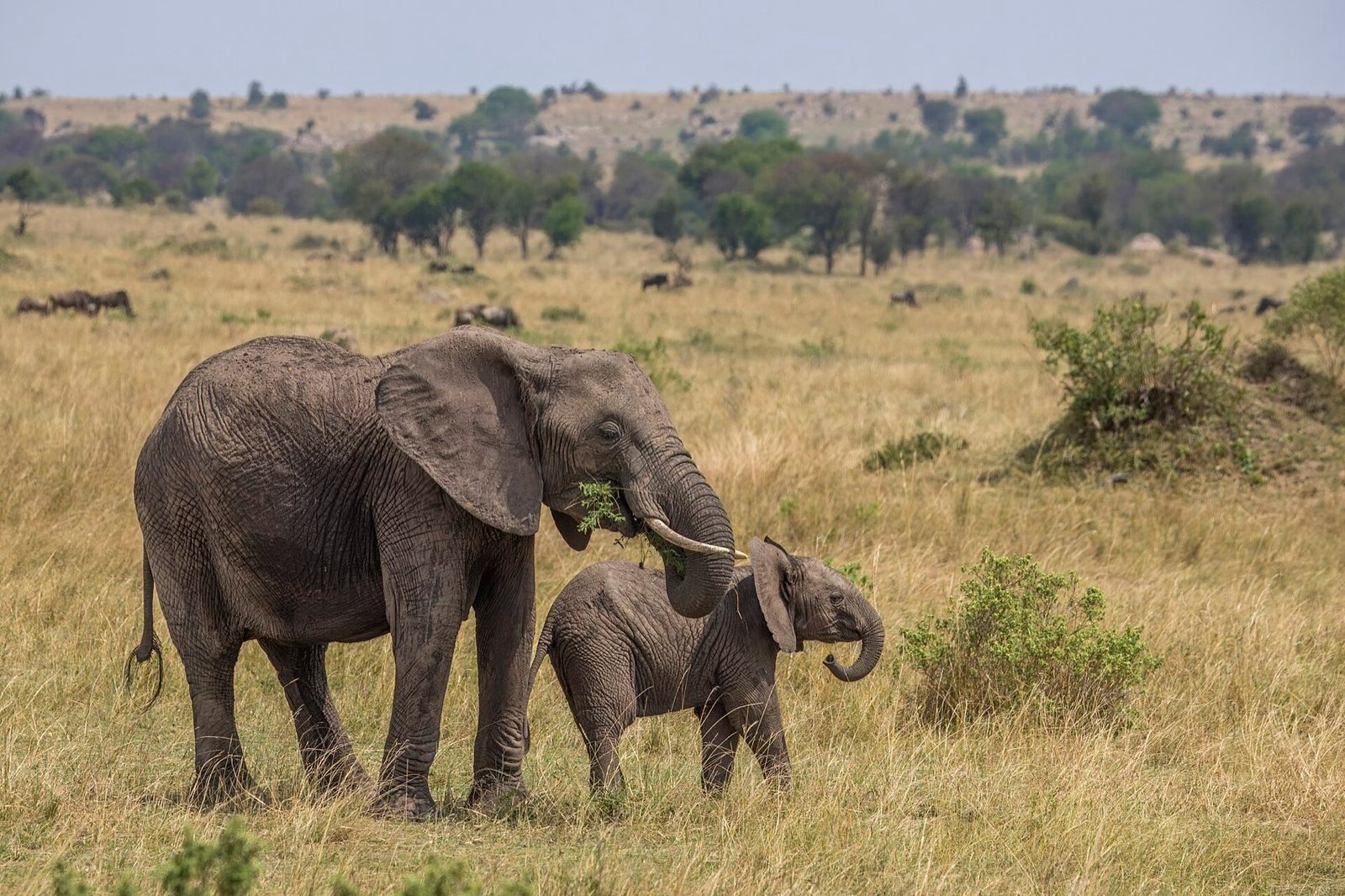
Family safaris in Tanzania
Bring your family closer to nature with thoughtfully planned Tanzania safari adventures, incredible wildlife encounters, comfortable stays, and experiences everyone can remember for a lifetime.
Locally operated in Tanzania Private family itineraries Guides who know the bush
Family holidays in Tanzania
There is a particular kind of silence that falls over a vehicle when a giraffe steps out of the trees and everyone — grandparents included — forgets to speak. Tanzania is built for moments like that: open plains, ancient craters, elephant families that ignore your timetable, and evenings that end around a fire under an enormous sky.
Families travel well here because the country offers variety without constant upheaval. One morning you might watch hippo in a lake, the next descend into a volcanic crater full of lions, and the afternoon of a third day simply sit on a lodge terrace while zebra drift past. Children learn the names of animals faster than any classroom can teach them, and adults rediscover what it feels like to have nowhere else to be.
Our job is to make that easy: sensible drive times, accommodation that suits your rooming and budget, a private vehicle and guide, and an itinerary that bends around your family rather than a fixed departure list.
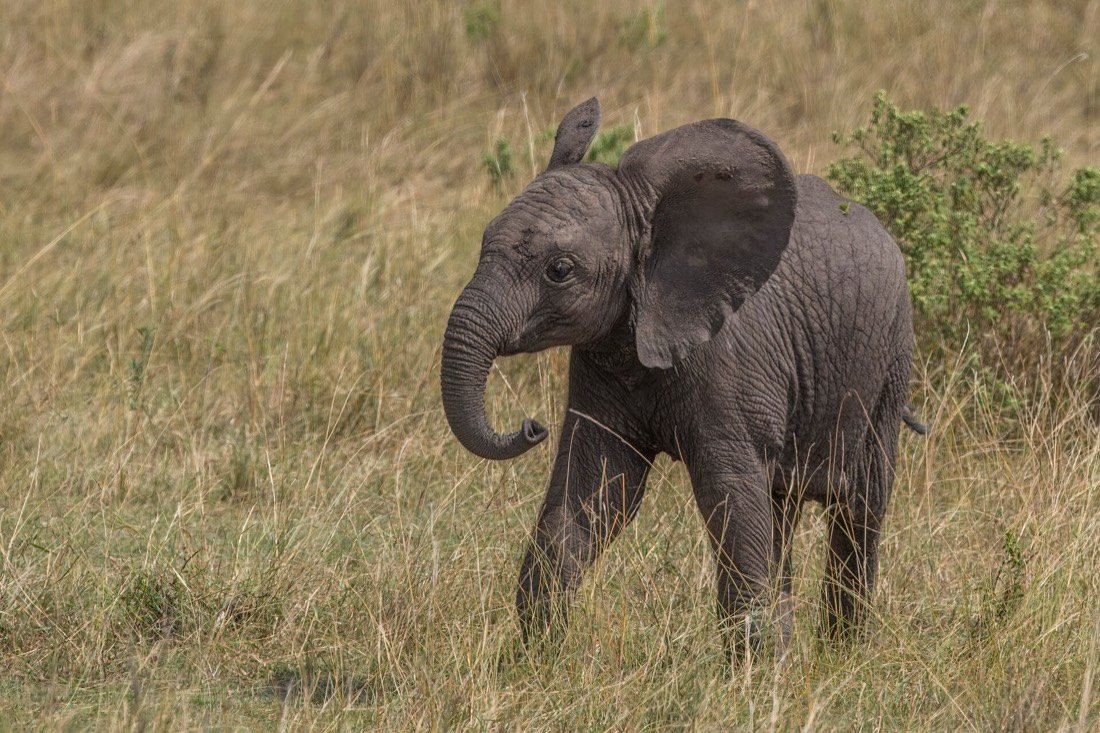
Why Tanzania
Four reasons families keep choosing Tanzania — and how we make each one work for the family actually travelling.
Discover elephants, lions, giraffes, zebras, and other wildlife with knowledgeable local guides who know where to look and when to wait.
Help families choose suitable activities and travel arrangements based on their children's ages and interests — shorter drives for little ones, longer days for keen teenagers.
Explore accommodation and safari options appropriate to the family's preferences and budget, from comfortable tented camps to lodges with pools and family rooms.
Plan a journey around your family, travel dates, preferred destinations, and expectations — arranged by the Tanzanian team who will actually run it.
When to travel
Tanzania is a year-round safari destination, but the best time for wildlife viewing is during the dry season from June to October, especially for the wildebeest migration. Below is a simple month-by-month guide to help you choose the best time to visit.
January marks the beginning of Tanzania’s short dry season, with occasional afternoon showers that quickly clear. It is an excellent time to travel thanks to high lodge availability and lower rates across most regions. This is also the peak of the Great Migration calving season in the southern Serengeti, where thousands of wildebeest give birth, attracting intense predator activity and offering dramatic wildlife encounters. The landscapes are at their most vibrant—lush, green, and alive with thousands of migratory birds—making it a perfect time for photography. While the scenery is stunning, thicker vegetation in some southern parks can make wildlife slightly harder to spot, though the overall safari experience remains rich and rewarding.
February continues the short dry season and the calving season in the southern Serengeti and Ndutu. Thousands of wildebeest, zebra and gazelle give birth, drawing predators such as lions, cheetahs and hyenas. It is a powerful month for photography and one of the best times to witness predator action. The weather is generally warm and dry, though occasional showers are still possible. Parks are quieter than the mid-year peak, and rates remain attractive for families.
March is a transition month in Tanzania. The first half can still offer good game viewing, but the long rains usually build toward the end of the month. Many camps in the southern Serengeti close as the herds begin to move west and north. For flexible travellers, March offers green landscapes, low visitor numbers and reduced rates. Some regions, such as Tarangire and Ngorongoro, remain rewarding throughout.
April sits in the heart of the long rainy season. Heavy afternoon downpours are common, and some roads in remote areas can become difficult. Many mobile camps are closed, but the permanent lodges operate and offer significantly lower rates. The countryside is beautifully green, and this is one of the quietest times to visit. For families who do not mind unpredictable weather and want privacy, April can be an interesting and affordable option.
May is the end of the long rains and the beginning of the dry season transition. Landscapes are still lush, flowers bloom, and many parks are almost empty. As the month progresses, game viewing improves and the migration begins moving north through the Serengeti western corridor. Rates remain lower than peak season, making May a strong value month for families with flexible dates.
June marks the start of the dry season across Tanzania. Vegetation thins, water sources shrink, and wildlife becomes easier to spot. The Great Migration pushes into the western Serengeti and Grumeti area, and river crossings begin later in the month. Parks are less crowded than July and August, and families travelling in early June can still find good value before peak-season rates take effect.
July is one of the best times to visit Tanzania, falling in the middle of the dry, peak season with consistently warm weather and outstanding wildlife viewing. It is a prime safari month, with the Serengeti’s Great Migration crossing rivers, along with excellent sightings of elephants in Tarangire and chimpanzees in Mahale. As a peak travel month, availability is limited and popular areas can become busy, so early booking is strongly recommended. July is also the driest month of the year, with very little rainfall, which can result in dusty roads but excellent game viewing conditions overall.
August is widely considered the best month to visit Tanzania, offering peak safari conditions with dry, warm days and cool, comfortable nights. It is one of the ultimate times for wildlife viewing, as animals gather around limited water sources, creating consistent and rewarding game encounters across the parks. While the northern safari circuit remains busy, the southern regions are quieter yet equally impressive for game viewing. Highlights include the Great Migration river crossings in the Serengeti and large elephant herds moving through Tarangire National Park. With excellent conditions and high demand, early booking is strongly advised.
September marks the end of the dry season in Tanzania, bringing some of the highest concentrations of wildlife around limited water sources. It is a rewarding time for safaris, as the Great Migration herds begin moving back south from Kenya, often resulting in dramatic river crossing sightings. While northern parks such as the Serengeti and Ngorongoro Crater can be busy with safari traffic, the game viewing remains exceptional. Southern parks offer a quieter alternative with fewer visitors, making them ideal for a more private experience. September is also one of the best months to climb Mount Kilimanjaro due to the stable, dry conditions.
October is one of the best months to visit Tanzania, with peak safari conditions still in full effect across the main parks. Availability is limited and rates remain high, so early booking is essential. It is also a great time to combine safari and beach experiences, with warm, clear days ideal for both inland and coastal travel. Early October still offers chances to see the Great Migration mega-herds spread across the northern Serengeti before they move further south. Wildlife is concentrated around remaining water sources, creating excellent game viewing opportunities. Toward the end of the month, occasional rains may begin to appear, signaling the transition to the green season.
November marks the beginning of Tanzania’s short rainy season, with most rainfall occurring overnight or in short bursts during the day. Tourist numbers drop significantly, making it a quieter time to visit, with good availability and more affordable rates across many properties. It is also an important movement period for the Great Migration as herds travel through the Serengeti toward the southern short-grass plains. November is one of the best months for whale shark encounters off Mafia Island, adding a unique marine experience to the season. As humidity increases with the rains, mosquito activity also becomes more noticeable in some areas.
December is a beautiful transition month in Tanzania, marking the start of the “emerald” season as the landscapes turn greener and more vibrant each day. Large wildebeest herds gather across the Serengeti plains in preparation for the upcoming calving season, creating excellent wildlife viewing opportunities. It is also a peak travel period for Christmas holidays, so early booking is highly recommended. This month is especially rewarding for birdwatchers, with thousands of migratory species arriving across the country. While conditions are generally warm and lush, weather can be mixed and less predictable. In Zanzibar, temperatures are very hot, dry, and humid, often reaching the early 40s, making it intense for some travelers.
What you can do together
Six ways families spend their time in Tanzania — each one links to real pages, parks and planning tools on this site.
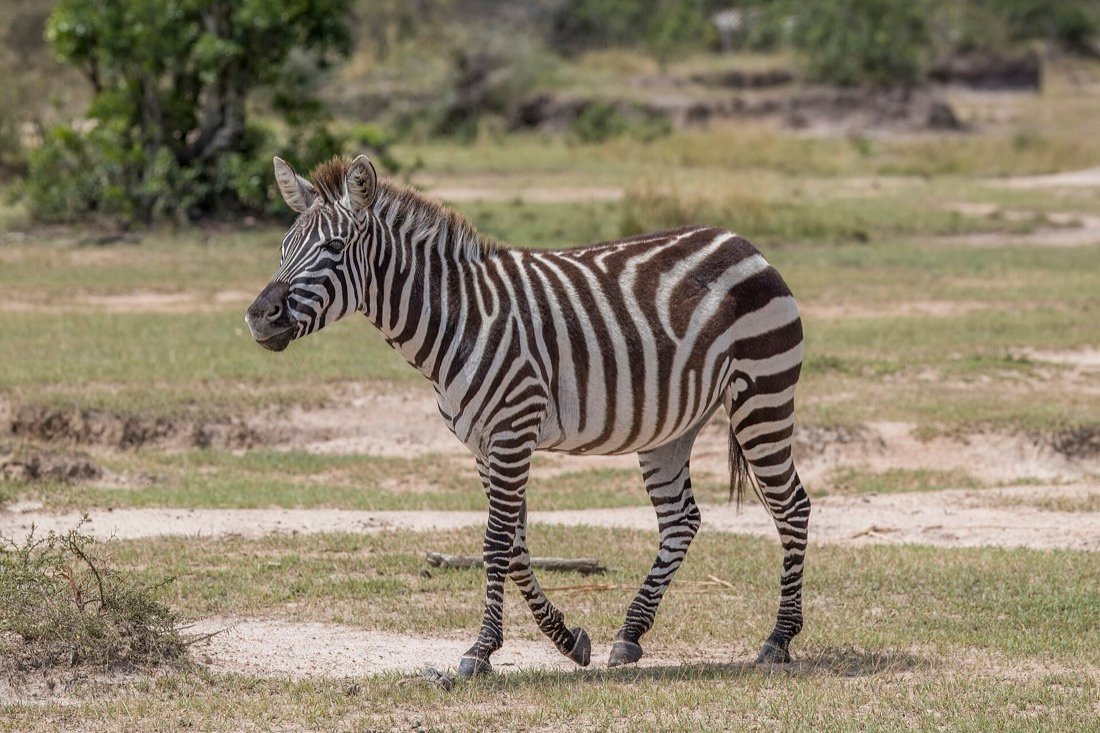
Elephants, lions, giraffes and zebra — shared with a guide who reads the bush and the mood of your family.
Browse safaris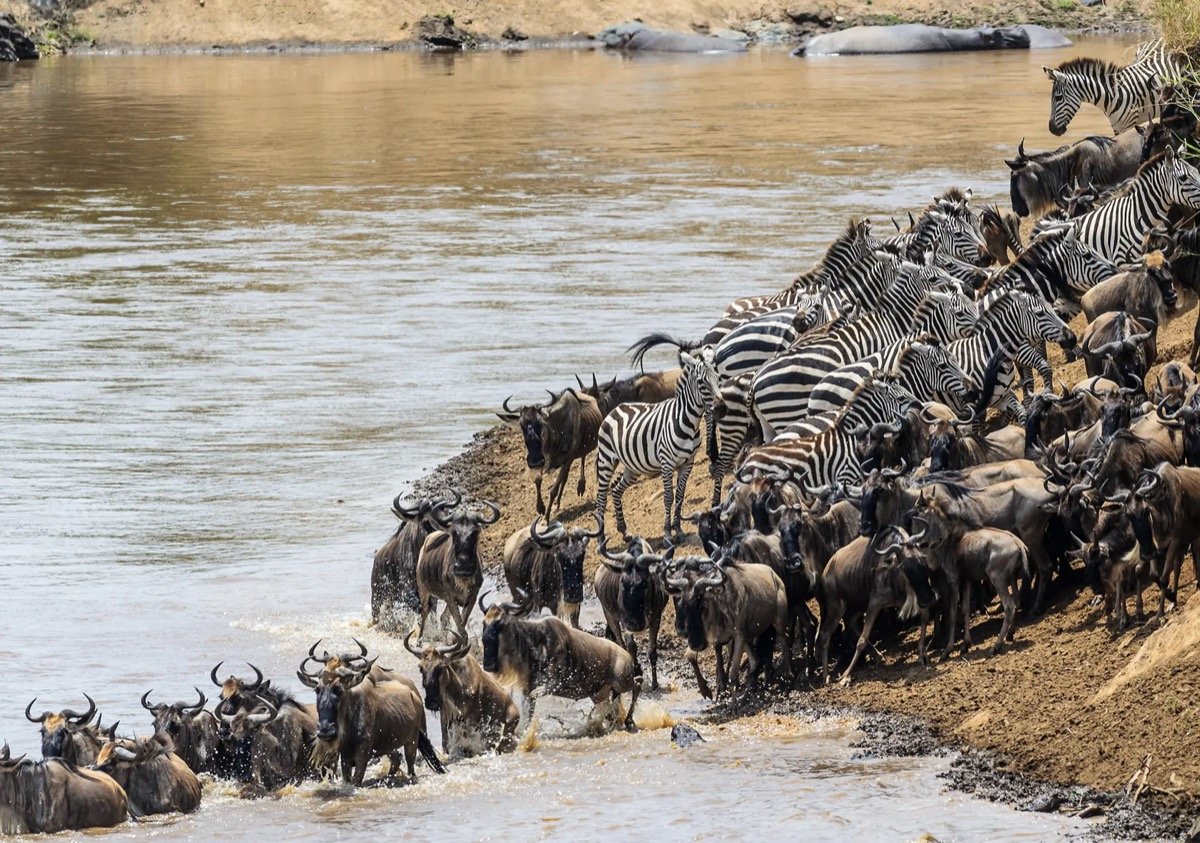
Endless plains, resident big cats and — in season — the herds of the Great Migration.
Explore the Serengeti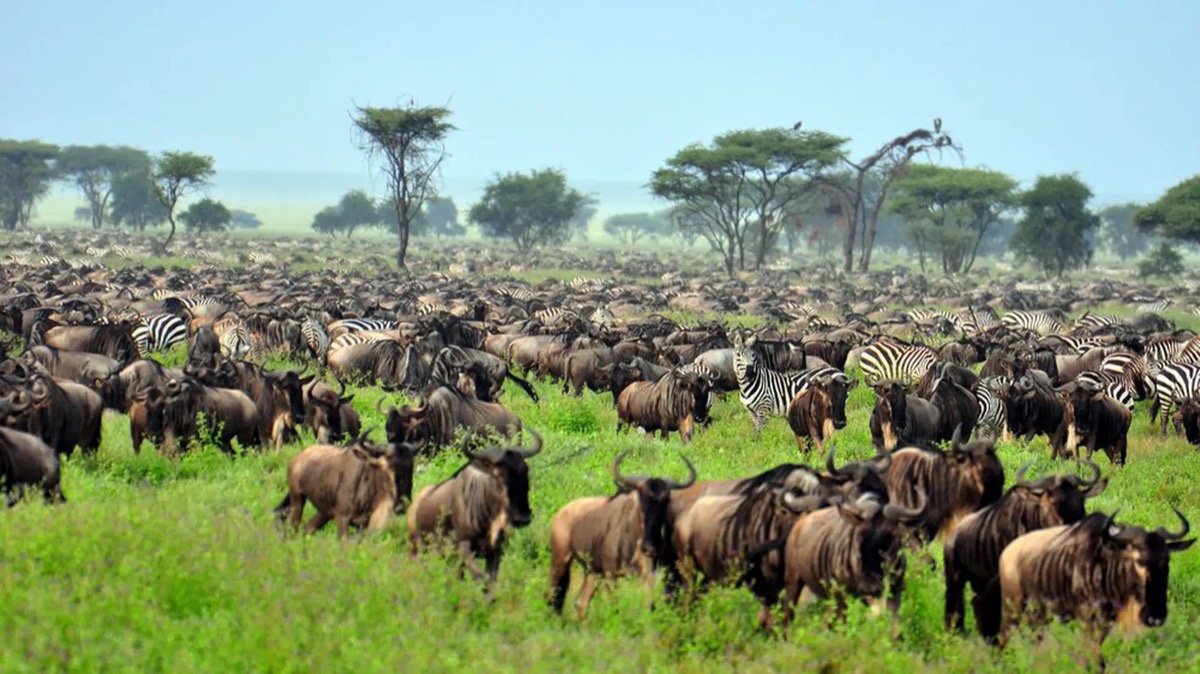
A collapsed volcano filled with lions, elephants, buffalo and flamingos on the crater floor.
Explore Ngorongoro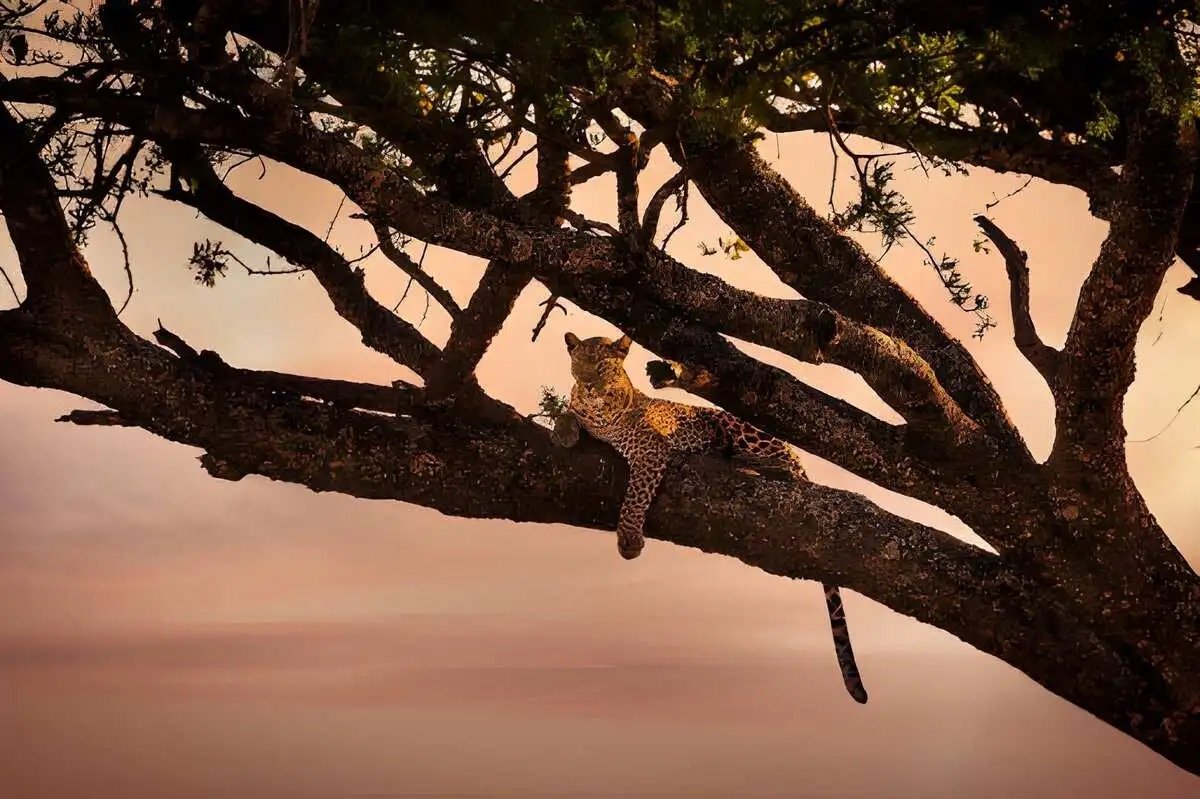
Ancient baobabs, big elephant families and quiet woodland that children remember long after the trip.
Explore Tarangire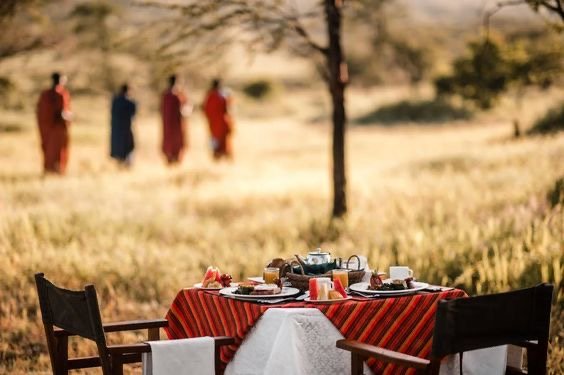
Meet the people whose landscapes you are travelling through, at a pace families enjoy.
See day trips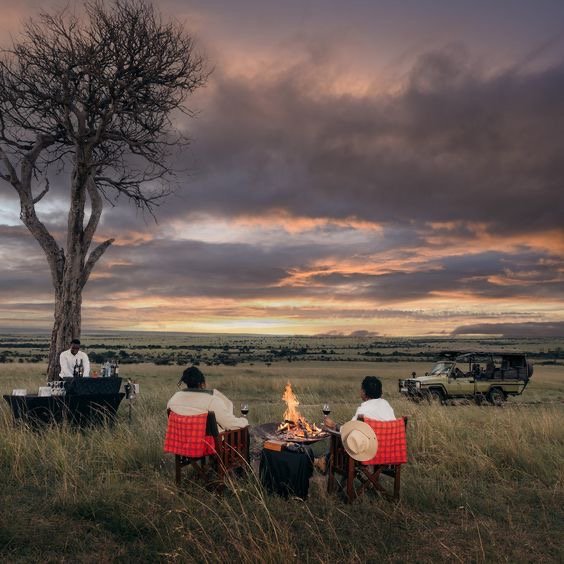
Your own vehicle, your own guide and a schedule that follows your family rather than a departure list.
Plan a private safariWhere families start
Existing Bush Lion Tours itineraries that families ask for most often. They are not sold as dedicated family departures — suitability depends on your children's ages, which we confirm before you book.
 Mid range
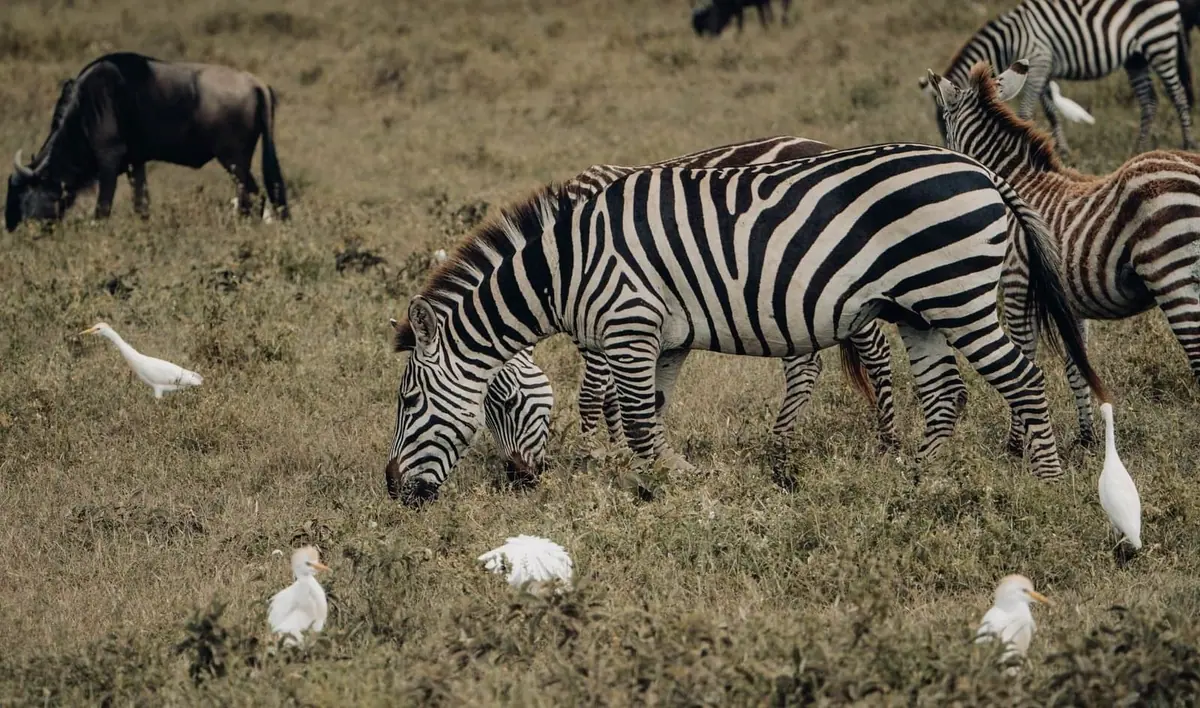
The 3 Days Quick Big Five Safari is our most popular short safari for travellers who want a genuine Big Five experience without committing to a full-week itinerary. In…
From $1,050 per person
 Mid range
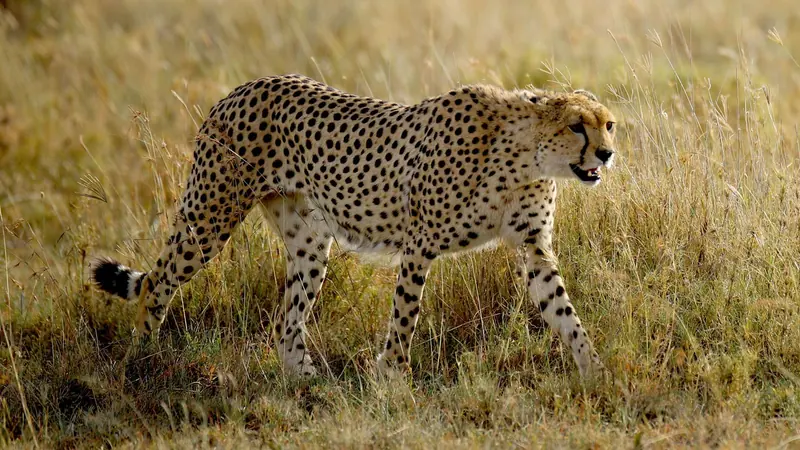
The 4 Days Classic Big Five Safari is the ultimate short-break wildlife adventure across Northern Tanzania. Designed for travelers looking to maximize their safari exp…
From $1,610 per person
 Mid range
The 5 Days Serengeti Big Five Adventure is the ultimate introduction to Tanzania’s legendary northern wildlife circuit. In just five unforgettable days, you will journ…
From $1,970 per person
 Luxury
A luxury lodge safari through three of Tanzania's most iconic wilderness areas — the elephant-dotted baobab landscapes of Tarangire National Park, the endless predator…
From $2,690 per person
Prices shown are the published per-person rates for each itinerary and assume two travellers sharing. Family quotes are confirmed for your dates, rooming and children's ages — request one and we will send the exact total in writing.
Every generation
No single itinerary suits every age — that is exactly why we plan around yours. Share your children's ages when you enquire, and we will only propose camps, parks and activities that genuinely work for them.
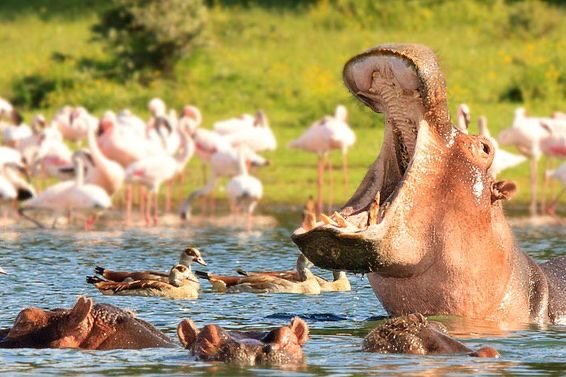
Shorter game drives, lodges with pools and flexible meal times keep little travellers happy — we match the route to their ages.
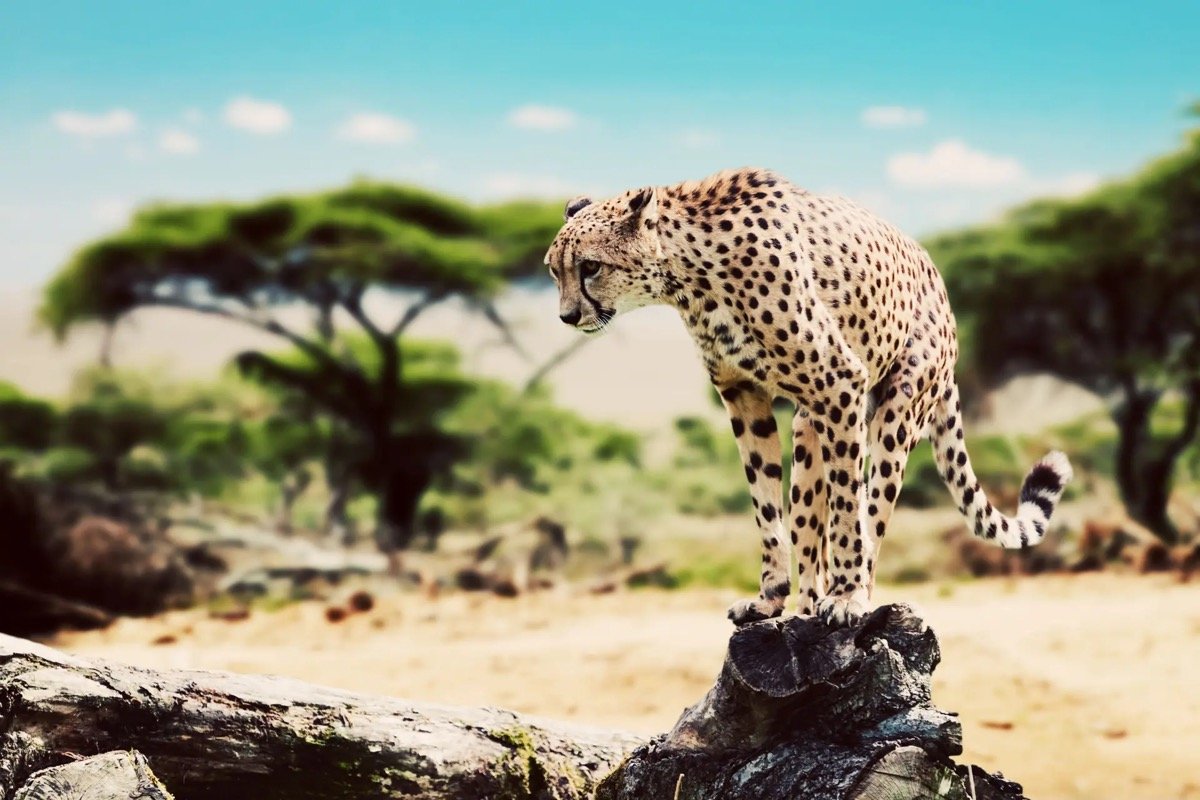
Early starts, predators, night sounds and real wilderness — the parts of a safari teenagers actually talk about afterwards.
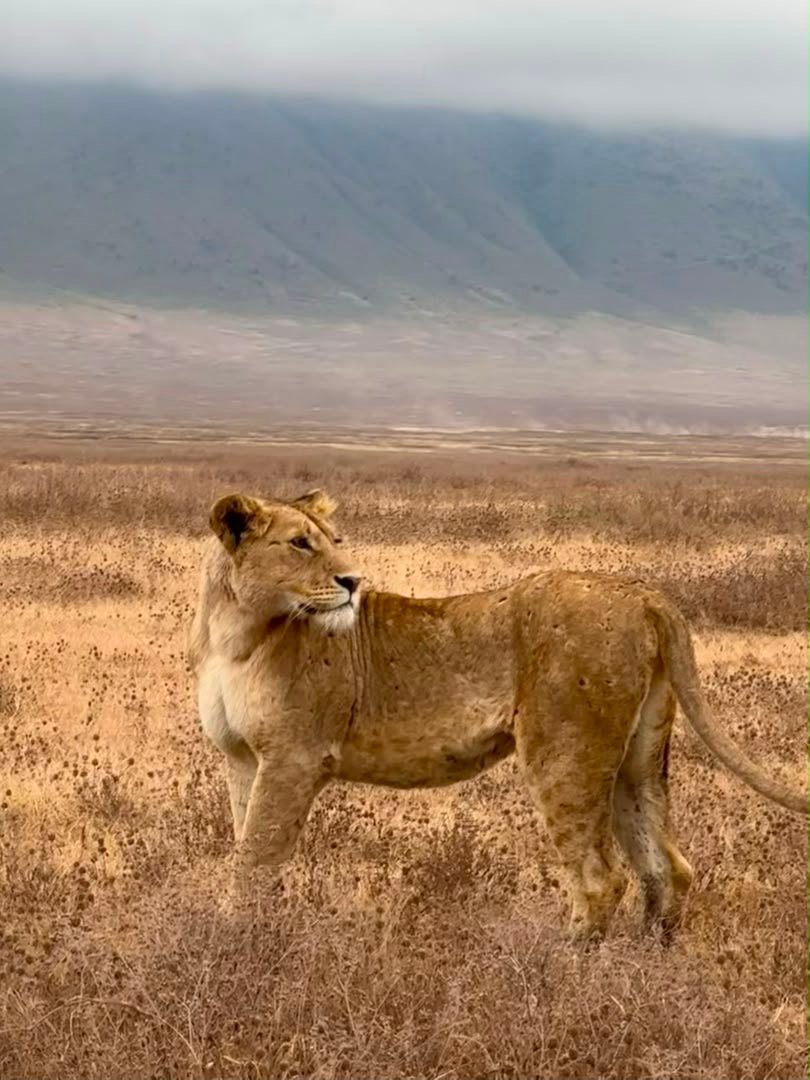
With children of different ages, we balance activity and rest: one big day, one easy day, and a private vehicle whenever you need to stop.
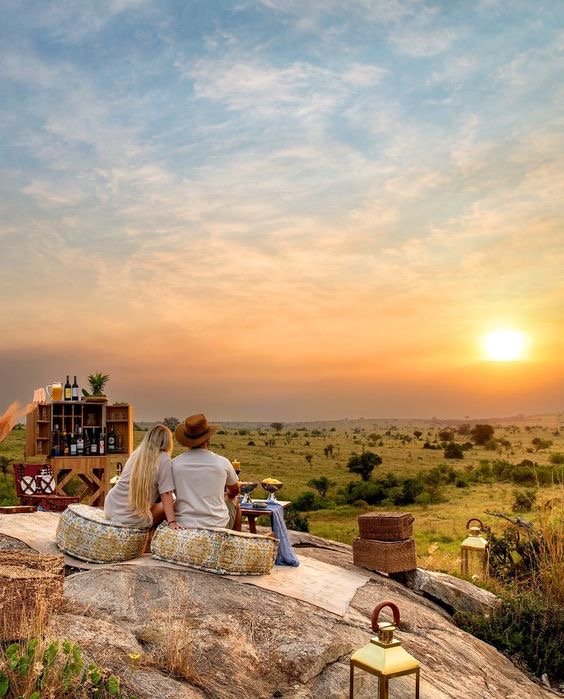
Vehicles with proper seats, accessible rooms where available and a plan that keeps three generations comfortable in the same trip.
Park rules, camp minimum-age policies and flight seat availability can affect what is possible for young children. We check all of this for your dates before proposing an itinerary — we never promise that every activity, lodge or park suits every age.
Illustrative only
An example of what five days in Tanzania could look like for a family. It is a demonstration of pacing and route — not an existing fixed package, and not a guarantee of wildlife sightings or availability. Your own itinerary is written around your dates and ages.
Arrival day
Met on arrival and transferred to your accommodation to rest, unpack and meet your guide for the briefing ahead.
Day 2
A first afternoon among baobabs and elephant families, with an easy evening at the lodge afterwards.
Day 3
Travel or fly into the Serengeti and spend the afternoon on the plains, where the light and the wildlife are at their best.
Day 4
Morning and afternoon game drives with a rest at camp between them — lions, giraffe, zebra and whatever the day brings.
Day 5
Descend into the crater for a final morning among one of the densest concentrations of wildlife in Africa, before heading back for your onward journey.

Our local expertise
Bush Lion Tours is a locally owned Tanzanian company based in Moshi, at the foot of Kilimanjaro. Founded in 2019 by Jackson — a Moshi local who spent his early career in the mountains and on safari before building his own company — we plan and operate trips for families who want authentic experiences and direct answers.
Because we are here, the person answering your questions about child ages, rooming or flight connections is the person arranging them. You get honest advice about drive times, honest advice about seasons, and an itinerary you can actually follow when you land.
"Tourism should be a tool for positive change. Through every trip, a portion goes toward uplifting communities."
Jackson, founder of Bush Lion Tours · read our story
How booking works
★★★★★
Absolutely incredible. I did the 6-day marangu route solo with a crew of 5 and it could not have gone better. Denis was my guide and he did an excellent job pacing me up. The whole team worked extremely hard to make sure the climb and summit went as smooth as possible.
Matias F · Portugal · TripAdvisor
★★★★★
A huge thank you to Jackson and his amazing team for making our dream come true! Our group of four recently completed a 17-day journey with Bush Lion Trekking & Tours—10 days of cultural immersion followed by 7 days of safari—and it was one of the most unforgettable travel experiences we have ever had.
Scenic59080 · Unknown · TripAdvisor
★★★★★
I am a solo traveler to Tanzania and joined a private 7-Day Safari Tour covering Tarangire, Serengeti, and Ngorongoro Crater. Everything was well-organized and personalized. One of the absolute highlights was witnessing the Great Migration at the Mara River.
Sandy · London, UK · TripAdvisor
Questions families ask
Honest answers — where something depends on ages, seasons or availability, we say so.
There is no single right age — it depends on your children, the parks you visit, the style of accommodation and how much time you spend in the vehicle. Many families find that shorter game drives, private vehicles and lodges with pools suit younger children particularly well, while teenagers often thrive on early starts and long days in the wild. Tell us your children’s ages when you enquire and we will suggest a realistic itinerary rather than a generic one.
Tarangire, Lake Manyara, the Ngorongoro Conservation Area and the Serengeti are the parks most families visit. Each has different drive times, road conditions and distances between sightings, so the best combination depends on your children’s ages and how many days you have. Park rules and some camp minimum-age policies can also apply, which we check before we propose anything.
June to October is the dry season and the most popular window for wildlife viewing, with busier parks and higher rates. The green months — November and December, and again after the long rains — are quieter and often better value, with fresh landscapes and fewer vehicles. Wildlife movements vary naturally with the rain, so we plan around your school holidays and confirm camps and flights for your dates.
Yes. Every family safari is planned around your travel dates, party size, interests and budget. We can adjust the number of nights, the order of the parks, the pace of the days, the accommodation level and the balance of flying versus driving.
We propose lodges and tented camps that suit your family’s rooming, budget and location — including family rooms, tents that connect and properties with pools where they exist. Accommodation is confirmed at the time of booking, and if a property is full we propose an equivalent in the same area for you to approve.
For most families, three to five nights gives a rich experience without exhausting younger travellers. Two parks in four or five days usually works better than four parks in the same time, because it means fewer packing days and longer mornings in the bush. If you are combining the safari with a Kilimanjaro climb or time on the coast, we will balance the days accordingly.
Light, neutral layers; a warm layer for early mornings; a hat, sunglasses and sunscreen; binoculars for the children who will use them; any personal medication; and a small day bag. A full packing list is sent with your booking confirmation, and we can advise on items worth hiring locally instead of flying with.
Use the Plan Your Safari page or contact us directly with your travel dates, the number of adults and children (with ages) and anything your family particularly wants to see. You will receive a written itinerary, accommodation proposal and per-person price from our team in Moshi — with no obligation.
Next step
Tell us when you would like to travel, who is coming along, and what your family would love to experience. Our local team will help you plan a safari that suits your interests and budget.
+255 783 884 129 info@bushliontours.com Call our Moshi office
Photography: Bush Lion Tours archive · elephant family, elephant calf and zebra foal by Charles J. Sharp, licensed CC BY-SA 4.0 · airstrip arrival by David Berkowitz, licensed CC BY 2.0.