
Tarangire National Park
Tarangire is Tanzania's most underrated safari destination — a landscape of ancient baobabs, permanent rivers, and the highest concentration of elephants in East Africa. Over 550 bird species make it a birding paradise, while lions, leopards, and tree-climbing pythons complete the picture.
Why Tarangire Is Special
While the Serengeti and Ngorongoro grab most of the headlines, Tarangire quietly delivers one of the richest wildlife experiences in Tanzania — and without the crowds.
Elephant Capital
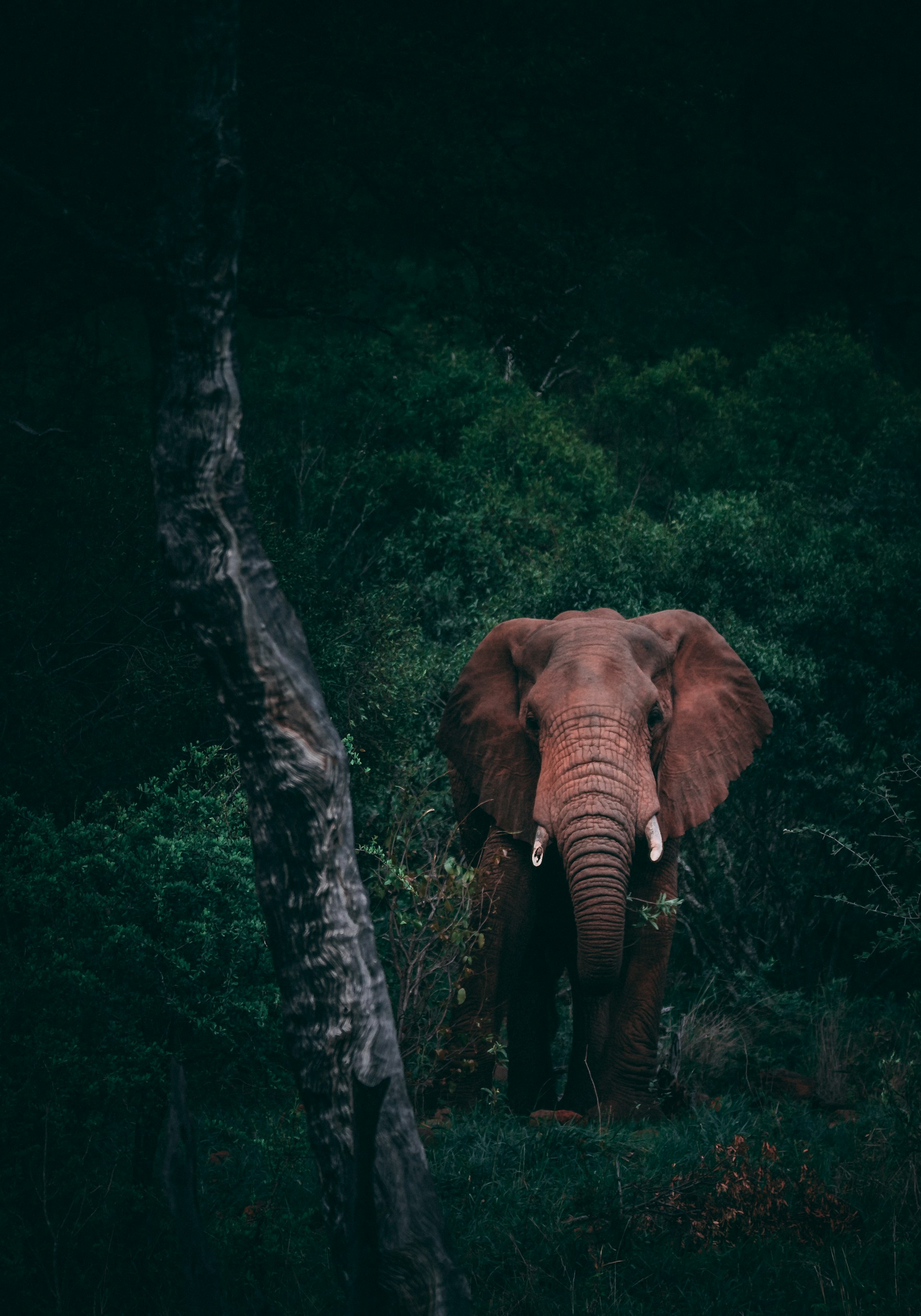
Tarangire has the highest density of elephants in East Africa. During the dry season, herds of up to 300 gather along the Tarangire River — a sight found nowhere else in Tanzania.
Baobab Landscapes
Thousands of ancient baobab trees — some over 1,000 years old — dot the landscape, creating one of the most photogenic safari settings in Africa.
Birding Paradise
With 550 recorded species — including the endemic yellow-collared lovebird and the massive Kori bustard — Tarangire is Tanzania's premier birding destination.
Overview
Tarangire National Park covers 2,850 km² in the Manyara Region of northern Tanzania, approximately 120 km southeast of Arusha. Established in 1970, the park is named after the Tarangire River, which flows through its centre and serves as the primary water source for wildlife during the dry season.
During the wet months (November–May), animals disperse across the wider Maasai Steppe, but when the dry season arrives (June–October), the Tarangire becomes a magnet for wildlife. The river is the only permanent water source in the region, and thousands of animals converge on its banks to drink — creating some of the most dramatic game viewing in Tanzania.
Tarangire is often described as Tanzania's best-kept secret. While the Serengeti and Ngorongoro receive the majority of visitors, Tarangire offers a more intimate and uncrowded safari experience, with diverse habitats ranging from open grassland and swamp to dense woodland and ancient baobab groves.
Wildlife
Tarangire is home to an extraordinary concentration of wildlife, particularly during the dry season. The park's most famous residents are its elephants — during peak season (July–October), herds of 200–300 elephants gather along the Tarangire River, the largest concentration of elephants found anywhere in East Africa.
Beyond elephants, Tarangire supports healthy populations of lion, leopard, cheetah, and the elusive African wild dog. Lions are frequently spotted resting in the branches of acacia trees, while leopards hunt along the riverine forest. The park is also one of the best places in Tanzania to see tree-climbing pythons, which drape themselves over acacia branches in search of birds and small mammals.
Large herds of buffalo, zebra, wildebeest, and giraffe roam the grasslands, while fringe-eared oryx and gerenuk — species rarely seen elsewhere — inhabit the drier areas. The Tarangire River supports a permanent population of hippo and crocodile.
With 550 recorded bird species, Tarangire is a birdwatcher's paradise. Key species include the endemic yellow-collared lovebird, the massive Kori bustard (Africa's heaviest flying bird), the secretary bird, and huge flocks of quelea that create spectacular murmurations above the river.
Dry Season vs Green Season
The Tarangire experience changes dramatically between seasons:
- Dry Season (June – October): This is the best time for game viewing. The Tarangire River becomes the only permanent water source in the region, drawing thousands of animals to its banks. Elephant herds of 200–300 are common. Lion, leopard, and wild dog are active. The grass is short, making wildlife easy to spot. This is peak season — expect more visitors, but still far fewer than the Serengeti.
- Green Season (November – May): The rains transform Tarangire into a lush, green paradise. Calving season brings newborn animals, and predator activity is high. Migratory birds arrive in huge numbers, and the park is at its most beautiful. Lodge rates drop significantly, and you may have entire game drives to yourself. Road conditions can be challenging after heavy rain.
Baobab Landscapes
Tarangire is home to some of the oldest and most impressive baobab trees in Africa. These massive, bottle-shaped trees can live for over 1,000 years and store thousands of litres of water in their swollen trunks. During the dry season, elephants strip the bark to access the moisture inside — a fascinating behavior to witness.
The baobab-dotted landscape is one of the most photogenic settings in East Africa. The contrast of ancient grey trunks against green grassland and blue sky creates images that capture the essence of the African bush. For photographers, Tarangire's baobab groves offer endless creative opportunities.
Bush Lion Tours Tip
For the best elephant sightings, drive to the southern section of the park near the Tarangire River during the dry season. Morning drives offer the best light and the most active animals. In the green season, the northern swamps are excellent for birding and predator-prey interactions.
Day-by-Day Itinerary
Tarangire works beautifully as a single-day addition to a northern circuit safari or as a multi-day destination. Here is a recommended itinerary:
- Morning (6:30 AM): Depart your lodge and enter the park at dawn. The first two hours offer the best light and the most active wildlife. Head to the Tarangire River for elephant and predator sightings.
- Late Morning (10:00 AM): As temperatures rise, animals retreat to the shade. Drive through the baobab groves and enjoy the scenery. Stop for a bush breakfast or picnic lunch at a designated site.
- Afternoon (3:30 PM): Return to the river as the heat softens and animals become active again. The late afternoon light creates stunning photography conditions, especially among the baobabs.
- Evening (6:00 PM): Exit the park before gate closing time. The drive back to your lodge passes through Maasai villages and farmland — a wonderful introduction to rural Tanzanian life.
Lodges and Accommodation
Tarangire offers a range of accommodation from luxury lodges to budget campsites:
- Luxury: Tarangire Treetops and AndBeyond Tarangire River Camp offer elevated tented suites and treehouse-style accommodation among the baobabs. Rates from $600–$1,500 per person per night.
- Mid-Range: Tarangire Safari Lodge and Burunge Tented Camp provide comfortable permanent tents and chalets with excellent game viewing. Rates from $250–$500 per person per night.
- Budget: Public campsites within the park offer a no-frills experience with basic facilities.
Getting There
Tarangire is located approximately 120 km southeast of Arusha, a drive of about 2–2.5 hours. The park is easily accessible as a day trip from Arusha or as part of a northern circuit safari itinerary that includes Lake Manyara, Ngorongoro, and the Serengeti.
The main gate is at Kuro, on the Tarangire Highway. Self-drive is possible but not recommended — a professional guide will help you find the best wildlife and navigate the park's network of tracks. Most visitors access Tarangire as part of a guided safari with a Tanzanian tour operator.
Explore More Destinations
Discover Tanzania's other world-class safari parks and conservation areas.
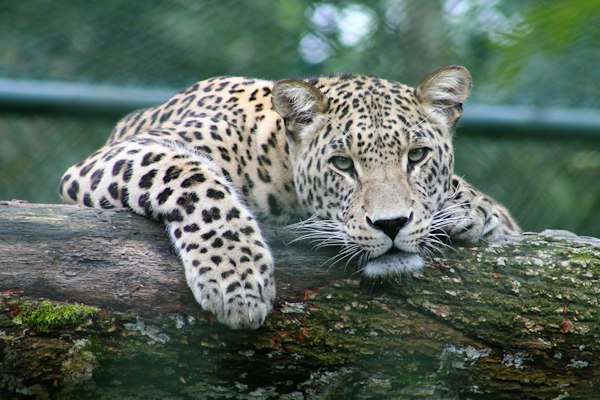
Serengeti National Park
The endless plains — home to the Great Migration, Big Five, and the largest concentration of predators in Africa.

Ngorongoro Conservation Area
The world's largest volcanic caldera, home to 25,000 animals and the densest Big Five population in Africa.
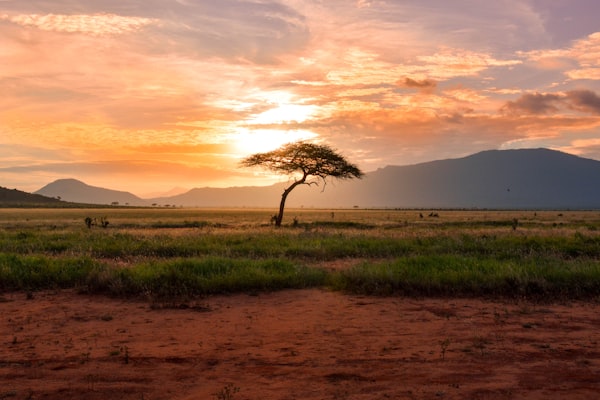
Lake Manyara National Park
Home to tree-climbing lions, flamingo flocks, and lush groundwater forest on the Rift Valley escarpment.
Ready to Visit Tarangire?
Tarangire is the perfect first stop on a northern circuit safari. Let us design a personalised itinerary that includes Tarangire, Ngorongoro, and the Serengeti — all tailored to your interests and budget.