
Serengeti National Park
The Serengeti is the stage for the greatest wildlife spectacle on Earth — the Great Migration. Spanning 14,750 km² of iconic savannah, this UNESCO World Heritage Site is home to the Big Five, over two million wildebeest, and some of the densest predator populations in Africa.
Why the Serengeti Is Famous
The Serengeti is the most iconic safari destination in Africa, known worldwide for its vast open plains, extraordinary wildlife density, and the annual Great Migration.
Big Five
Lion, leopard, elephant, buffalo, and black rhino all thrive across the Serengeti's diverse ecosystems. The central Seronera area is particularly rich in big cat sightings.
The Great Migration
Over two million wildebeest, zebra, and gazelle circle the Serengeti in an endless loop following the rains — one of the greatest wildlife spectacles on the planet.
500+ Bird Species
From the giant ostrich to the elegant secretary bird, the Serengeti is a birdwatcher's paradise with over 500 recorded species across its varied habitats.
Overview
Serengeti National Park is Tanzania's oldest and most celebrated national park, established in 1951 and covering 14,750 km² of sweeping grasslands, riverine forests, kopjes, and woodlands. The name "Serengeti" comes from the Maasai word "siringet," meaning "endless plains" — a fitting description for a landscape that stretches to the horizon in every direction.
Designated a UNESCO World Heritage Site in 1981, the Serengeti is widely regarded as the finest wildlife sanctuary in the world. Its ecosystems support an estimated three million large mammals, including the largest concentration of predators anywhere on the continent. The park forms the core of a larger ecosystem that extends into the Ngorongoro Conservation Area and the Maasai Mara in Kenya, creating one of the most important wildlife corridors on Earth.
Wildlife
The Serengeti is home to the Big Five — lion, leopard, elephant, buffalo, and black rhino — but its wildlife story extends far beyond these iconic species. The central Seronera region is famous for its high density of lions, often spotted lounging on kopjes (granite rock formations) or stalking prey along the Seronera River. Leopards are regularly seen in the woodland areas near the river, often draped over acacia branches during the heat of the day.
Elephant herds roam the park's woodland areas, while buffalo congregate in large numbers along the river. The endangered black rhino survives in small numbers, primarily in the northern and western sections of the park. Cheetahs are abundant on the open plains, where they use the flat terrain to reach incredible hunting speeds. Spotted hyenas, wild dogs, jackals, and serval cats complete the predator picture.
More than 500 bird species have been recorded, including secretary birds, crowned cranes, Kori bustards, Fischer's lovebirds, and the massive martial eagle. The Serengeti's birdlife alone makes it one of Africa's top ornithological destinations.
The Great Migration
The Great Migration is the defining event of the Serengeti and the reason most travellers visit. Each year, approximately two million wildebeest, along with 200,000 zebra and thousands of Thomson's gazelle, follow the rains in a clockwise circuit across the Serengeti and into Kenya's Maasai Mara.
The migration follows a roughly predictable pattern, though timing varies with rainfall:
- January – March: The southern Serengeti and Ndutu region becomes the calving grounds. Over 500,000 wildebeest calves are born in just a few weeks, creating an easy feast for predators. This is one of the best times to witness predator-prey interactions.
- April – May: The herds begin moving northwest, with thousands of animals on the move across the central Serengeti. The long rains bring lush green landscapes but also challenging road conditions.
- June – July: The migration reaches the western corridor, where the famous Grumeti River crossings occur. Crocodiles lie in wait as herds brave the dangerous waters — a dramatic highlight of the migration cycle.
- August – October: The herds push north towards the Mara River and cross into Kenya's Maasai Mara. River crossings during this period are among the most dramatic wildlife scenes on Earth.
- November – December: The short rains call the herds back south into the Serengeti, completing the annual cycle.
Serengeti Areas
The Serengeti is vast, and each area offers a distinct safari experience:
- Central Seronera: The heart of the Serengeti, with year-round game viewing and the highest concentration of big cats. Kopjes, rivers, and open plains create varied habitats. This is the most accessible area and ideal for first-time visitors.
- Northern Kogatende: The best area for river crossings during the migration (July–October). Remote and less crowded, with excellent lion and leopard sightings in the woodlands.
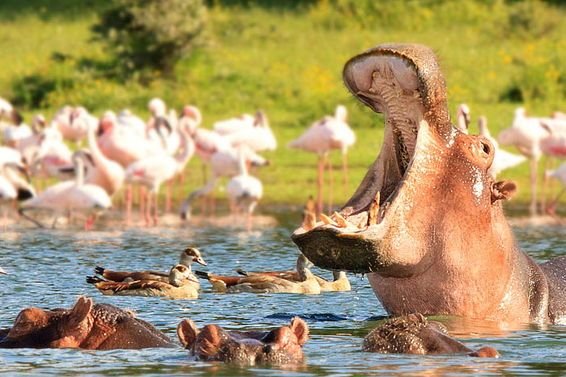
- Western Grumeti: Home to enormous crocodiles, resident hippos, and large prides of lion. The Grumeti River crossings peak in June and July.
- Southern Ndutu: The calving season hotspot (December–March), where predator action is at its most intense. The Ndutu Lake area supports large flocks of flamingos.
Best Time to Visit
The Serengeti is a year-round destination, but the best time depends on what you want to see:
- January – March: Calving season in the south. Spectacular predator action, fewer crowds, and lush green landscapes.
- June – October: Peak migration season. River crossings in the west and north. Dry season offers excellent general game viewing as animals concentrate around water sources.
- July – September: The busiest months. Lodges fill up well in advance, so book early.
- November – December: The short rains bring green scenery and newborn animals. A quieter time with good birding and fewer vehicles.
Game Drives
Game drives are the primary activity in the Serengeti. Most lodges offer morning and afternoon drives in custom-built 4x4 vehicles with pop-up roofs for photography. Drives typically last 6–8 hours and cover a wide range of habitats, from open plains to riverine forests and kopje-dotted landscapes.
Night drives are available at some private concessions bordering the park, offering the chance to see nocturnal predators like leopard, aardvark, and hyena. Walking safaris with armed rangers are also offered in select concession areas, providing a completely different perspective on the bush.
Hot Air Balloon Safaris
A hot air balloon flight over the Serengeti is one of the most unforgettable experiences in African safari travel. Rising at dawn, you drift silently over the plains as the sun paints the landscape gold. Below, herds of wildebeest, zebra, and giraffe move across the savannah, and predators begin their morning hunts. The flight ends with a champagne breakfast in the bush. Balloon safaris operate year-round and are best booked well in advance, especially during migration season.
Bush Lion Tours Tip
For the ultimate Serengeti experience, combine a central Serengeti stay with a northern Kogatende camp during migration season. This gives you big cat action in Seronera and river crossings in the north — the best of both worlds. Ask us about fly-in itineraries to save time and maximise your game viewing.
Lodges and Accommodation
The Serengeti offers a full spectrum of accommodation, from ultra-luxury tented camps to budget camping:
- Luxury: Four Seasons Safari Lodge, Four Seasons Serengeti, and &Beyond Serengeti Under Canvas offer world-class service, infinity pools, and spa facilities. Expect rates from $1,000+ per person per night.
- Mid-Range: Serengeti Serena Safari Lodge, Kubu Kubu Tented Lodge, and Tukaone Camp provide comfortable permanent structures with excellent game viewing. Rates from $350–$700 per person per night.
- Budget: Public campsites within the park offer a no-frills experience with basic facilities. TANAPA campsites are the most affordable option for adventurous travellers.
How to Get There
The Serengeti is accessible by road and air. The most common approach is to fly into Kilimanjaro International Airport (JRO) or Arusha Airport and then take a scheduled bush flight to one of the Serengeti's airstrips. Coastal Aviation, Auric Air, and Precision Air operate daily flights to airstrips throughout the park.
Driving from Arusha takes approximately 7–8 hours to the central Seronera area, passing through the Ngorongoro Conservation Area (a separate conservation fee applies). Self-drive is possible but not recommended for first-time visitors — a professional guide greatly enhances the experience.
Photography Tips
The Serengeti is a photographer's dream. Here are some tips to capture the best images:
- Bring a telephoto lens (200–400mm) for wildlife close-ups and a wide-angle for landscapes.
- Shoot during golden hour — the first and last two hours of daylight produce the most dramatic light.
- Use the open plains as negative space to create powerful compositions with wildlife.
- Patience pays off — wait for action shots like kills, crossings, and predator interactions.
- A beanbag or vehicle-mounted tripod stabilises your camera during game drives.
Explore More Destinations
Discover Tanzania's other world-class safari parks and conservation areas.

Ngorongoro Conservation Area
The world's largest volcanic caldera, home to 25,000 animals and the densest Big Five population in Africa.
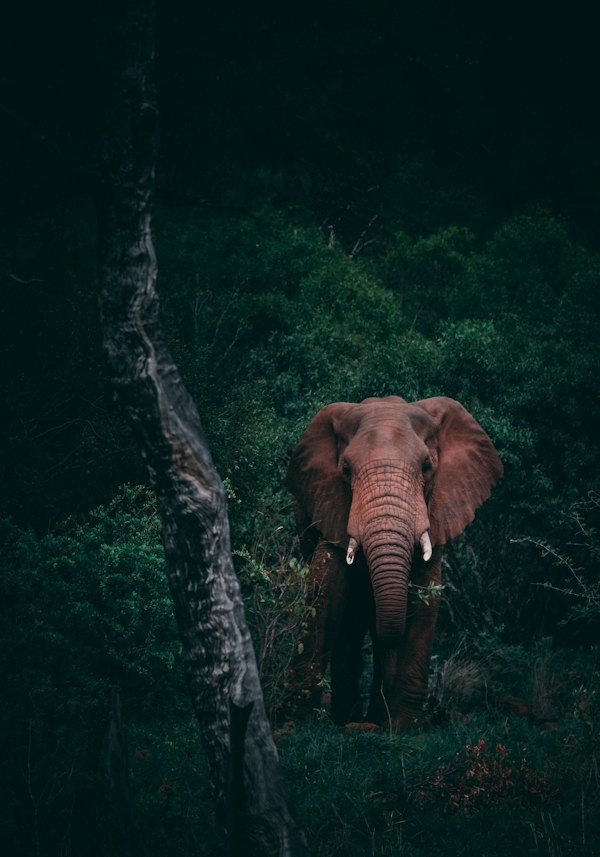
Tarangire National Park
Tanzania's most underrated park — massive elephant herds, baobab landscapes, and 550 bird species.
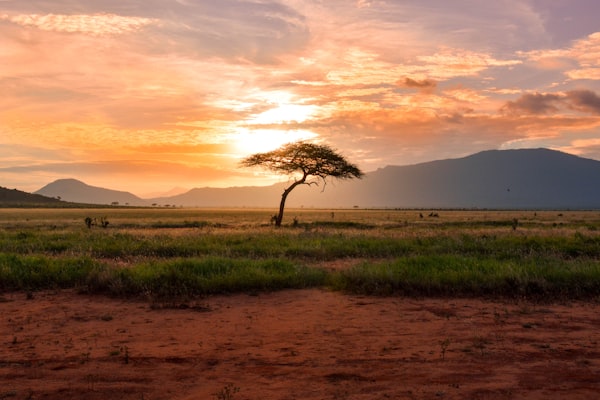
Lake Manyara National Park
Home to tree-climbing lions, flamingo flocks, and lush groundwater forest on the Rift Valley escarpment.
Ready to Visit the Serengeti?
Let us craft a personalised Serengeti safari itinerary based on your interests, budget, and travel dates. From budget camping to luxury fly-in safaris — we have you covered.