
Zanzibar Archipelago
The Zanzibar Archipelago is a cluster of islands off the coast of Tanzania, famous for white-sand beaches, turquoise waters, historic Stone Town, and vibrant spice markets. It is one of the most beautiful beach destinations in the Indian Ocean and the perfect complement to a Tanzania safari.
Why Visit Zanzibar
A tropical paradise where African, Arab, Indian, and European cultures blend into something entirely unique
World-Class Beaches
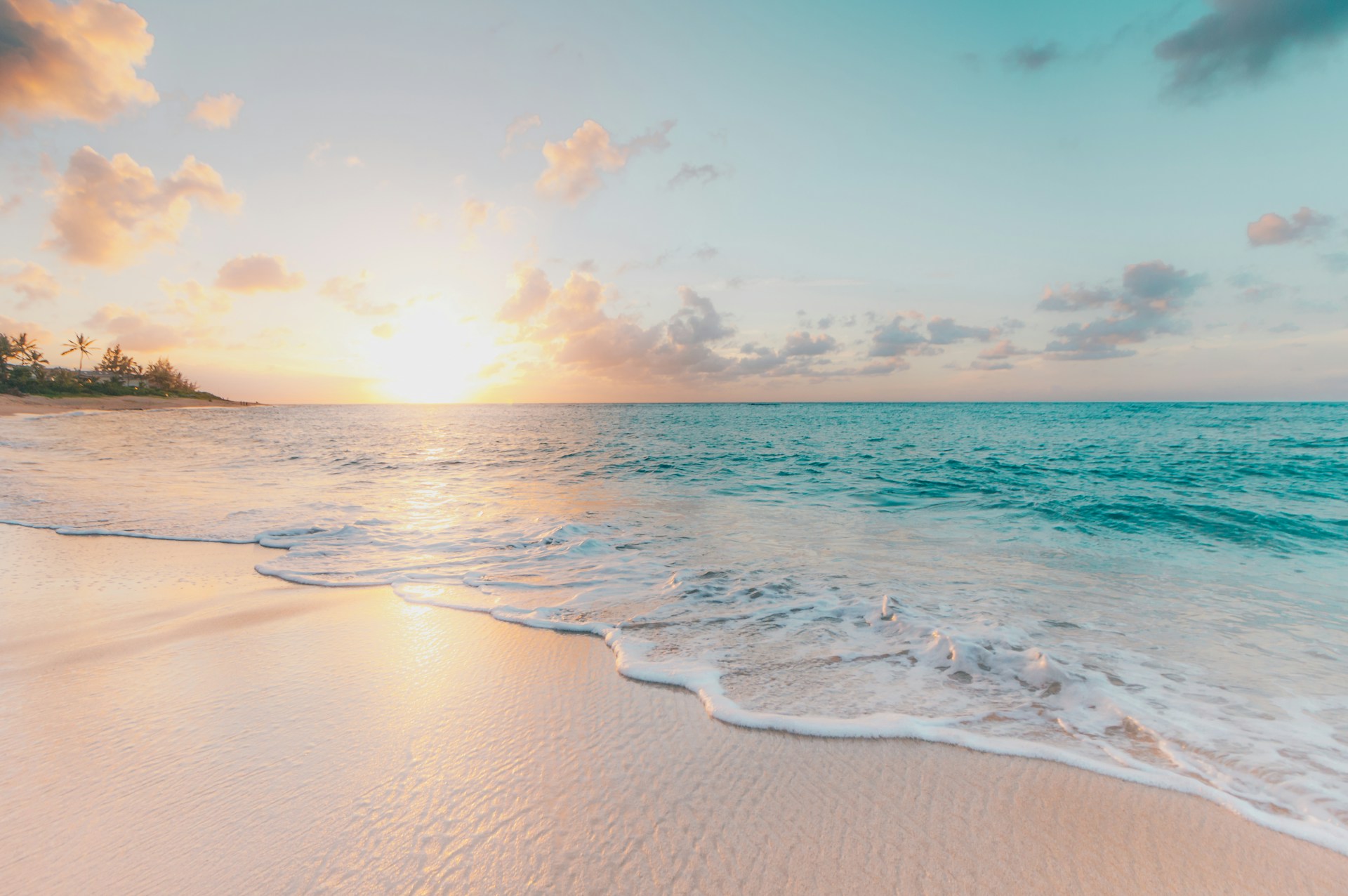
Powder-white sand, warm turquoise water, and coral reefs just offshore. Zanzibar's beaches rival the best in the world.
Stone Town
A UNESCO World Heritage Site with winding alleys, carved wooden doors, bustling markets, and centuries of Swahili history.
Spice Island
Clove, nutmeg, cinnamon, and pepper grow across the island. Guided spice tours take you from farm to table.
Diving & Snorkelling
Mnemba Atoll is one of the best dive sites in East Africa. Warm water, coral walls, dolphins, and sea turtles year-round.
Dhow Cruises
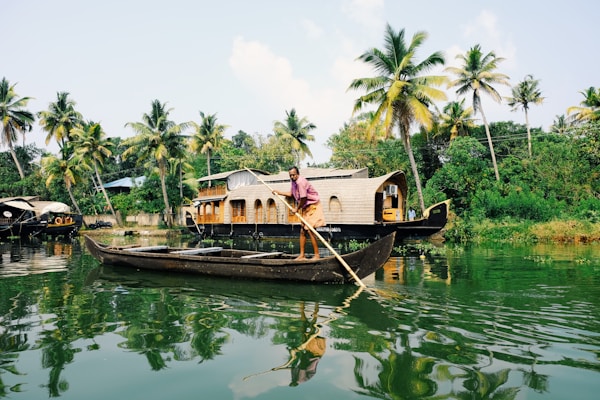
Traditional wooden sailing dhows take you sunset cruising, island hopping, and deep-sea fishing across the Indian Ocean.
Swahili Cuisine
Fresh seafood, tropical fruit, and aromatic spices. Zanzibar pizza, octopus curry, and the famous Forodhani night market.
Zanzibar Archipelago Overview
The Zanzibar Archipelago lies in the Indian Ocean, about 25 to 50 kilometres off the coast of mainland Tanzania. It is made up of several islands, the largest being Unguja (commonly called Zanzibar Island) and Pemba. Together, the islands cover roughly 1,666 square kilometres and are home to a population of around 1.5 million people. Zanzibar has been a crossroads of trade and culture for over two thousand years, with influences from Arab, Persian, Indian, Portuguese, and British settlers all leaving their mark on the island's architecture, language, and cuisine.
Today, Zanzibar is Tanzania's most popular beach destination and one of the most sought-after island getaways in the Indian Ocean. It attracts honeymooners, families, solo travellers, and divers from around the world. The island offers a rare combination of rich history, stunning natural beauty, and a laid-back Swahili atmosphere that is hard to find anywhere else. Whether you want to explore a historic UNESCO-listed town, lounge on a powder-white beach, swim with dolphins, or dive pristine coral reefs, Zanzibar delivers on every front.
Stone Town — The Heart of Zanzibar
Stone Town is the old quarter of Zanzibar City and the cultural heart of the archipelago. It was designated a UNESCO World Heritage Site in 2000, recognised for its unique blend of Swahili, Arab, Indian, and European architectural styles. The town is built almost entirely from coral stone, and its narrow, winding alleys are lined with intricately carved wooden doors, ornate balconies, and small mosques. Every corner reveals something unexpected — a hidden courtyard, a spice shop, a rooftop café with ocean views.
The main attractions in Stone Town include the Old Fort, the House of Wonders (a former sultan's palace), the Palace Museum, and the Anglican Cathedral, which was built on the site of the old slave market. The Darajani Market is the island's main bazaar, bursting with fresh produce, spices, fish, and local goods. In the evening, the Forodhani Gardens waterfront transforms into a night market where vendors sell Zanzibar pizza, grilled seafood, sugarcane juice, and uroa (a local pastry). Stone Town is best explored on foot — there are no street signs, so getting lost is part of the experience.
The Beaches of Zanzibar
Zanzibar is blessed with some of the finest beaches in the Indian Ocean. The north coast is home to Nungwi and Kendwa, two of the most popular beach areas. Nungwi is known for its wide, white-sand beach, lively atmosphere, and excellent sunset views. Kendwa offers a more relaxed vibe with calm, shallow water that is perfect for swimming at all tides.
The east coast is quieter and more laid-back. Paje is a favourite among kite surfers thanks to its consistent wind and shallow lagoon. Matemwe is one of the most beautiful stretches of beach on the island, with powdery sand, palm trees, and a laid-back atmosphere. Further south, Jambiani is a charming fishing village with a long, uncrowded beach and a handful of small hotels and restaurants. The south and west coasts are less developed, offering a more authentic, off-the-beaten-path experience.
Spice Tours
Zanzibar has been known as the Spice Island for centuries, and a spice tour is one of the most popular things to do on the island. Guided tours take you to working spice farms where you can see, smell, and taste cloves, nutmeg, cinnamon, black pepper, vanilla, lemongrass, and dozens of other tropical plants. Guides will explain how each spice is grown, harvested, and used in cooking and medicine. Many tours end with a traditional Swahili lunch cooked with fresh spices. It is a sensory experience that connects you to the island's agricultural heritage and trade history.
Diving and Snorkelling
Zanzibar is one of the top dive destinations in East Africa, with warm, clear water, vibrant coral reefs, and abundant marine life. The most famous dive site is Mnemba Atoll, a small coral island surrounded by a pristine reef system. The atoll is home to over 600 species of fish, sea turtles, dolphins, whale sharks (seasonal), and manta rays. Divers of all levels can enjoy the site, with shallow reefs for beginners and deep walls for advanced divers.
Beyond Mnemba, there are excellent dive sites around Chumbe Island, Bawe Island, and the west coast near the Menai Bay Conservation Area. Snorkelling is excellent at many of the smaller islands, including Changuu (Prison Island), where you can also visit giant Aldabra tortoises. Water temperatures range from 26 to 29 degrees Celsius year-round, making Zanzibar a comfortable diving destination at any time.
Dhow Cruises and Island Hopping
Traditional wooden sailing dhows have been used in the Indian Ocean for centuries, and a dhow cruise is one of the quintessential Zanzibar experiences. Sunset cruises along the coast offer stunning views of the old town and the ocean as the sky turns orange and pink. Full-day island-hopping trips visit Changuu, Chumbe, Bawe, and Kwenda islands, with stops for snorkelling, swimming, and lunch on the beach. For a more adventurous experience, deep-sea fishing trips target marlin, tuna, and wahoo in the rich waters off the coast.
Combining Zanzibar with Safari
Zanzibar is the perfect add-on to any Tanzania safari. Most travellers fly into Kilimanjaro International Airport or Arusha for their safari, then take a short flight to Zanzibar for a few days of beach relaxation. The flight from Arusha or Kilimanjaro to Zanzibar takes about 45 minutes. Alternatively, daily ferries run between Dar es Salaam and Stone Town. The best combination is a 7 to 10-day trip that includes a northern safari circuit (Serengeti, Ngorongoro, Tarangire) followed by 3 to 5 nights in Zanzibar.
Getting to Zanzibar
Zanzibar's Abeid Amani Karume International Airport receives direct flights from several East African cities, including Dar es Salaam, Nairobi, Addis Ababa, and Doha. From the airport, most hotels are a 20 to 45-minute drive depending on location. The fastest way to reach Zanzibar from mainland Tanzania is by air — flights from Dar es Salaam take about 20 minutes, and flights from Arusha or Kilimanjaro take about 45 minutes.
The ferry from Dar es Salaam to Stone Town is a popular budget option, taking roughly two hours. Several companies operate the route daily, with both standard and VIP services. Once on the island, the best ways to get around are by taxi, private transfer, or rental car. Many hotels arrange airport and harbour transfers as part of their service.
Best Time to Visit
Zanzibar is a year-round destination, but the best time to visit depends on what you want to do. The dry season from June to October offers sunny weather, lower humidity, and calm seas — ideal for beach holidays and diving. The short rains from November to December bring occasional showers but are often followed by clear skies. The long rains from March to May bring heavier rainfall and some hotels close, but rates are lower and the island is quieter. The best diving conditions are from June to October and from January to February, when visibility is highest and the water is calmest.
Food and Culture
Zanzibari food is a unique fusion of African, Arab, Indian, and European influences. The most famous dishes include octopus curry, pilau rice, biryani, and Zanzibar pizza (a thin dough filled with meat, vegetables, and egg, cooked on a griddle). The Forodhani Night Market in Stone Town is the best place to sample local street food — try the grilled lobster, sugarcane juice, and uroa. Fresh tropical fruit is abundant, with mangoes, passion fruit, jackfruit, and bananas available year-round. Zanzibar is also one of the birthplaces of coffee culture in East Africa, and the island has a growing café scene.
Related Destinations
Continue exploring Tanzania's most remarkable places

Plan Your Zanzibar Escape
Combine pristine beaches with an unforgettable safari. Our local experts will design the perfect Zanzibar and Tanzania itinerary for you.
Get a Free Quote View Zanzibar Packages