
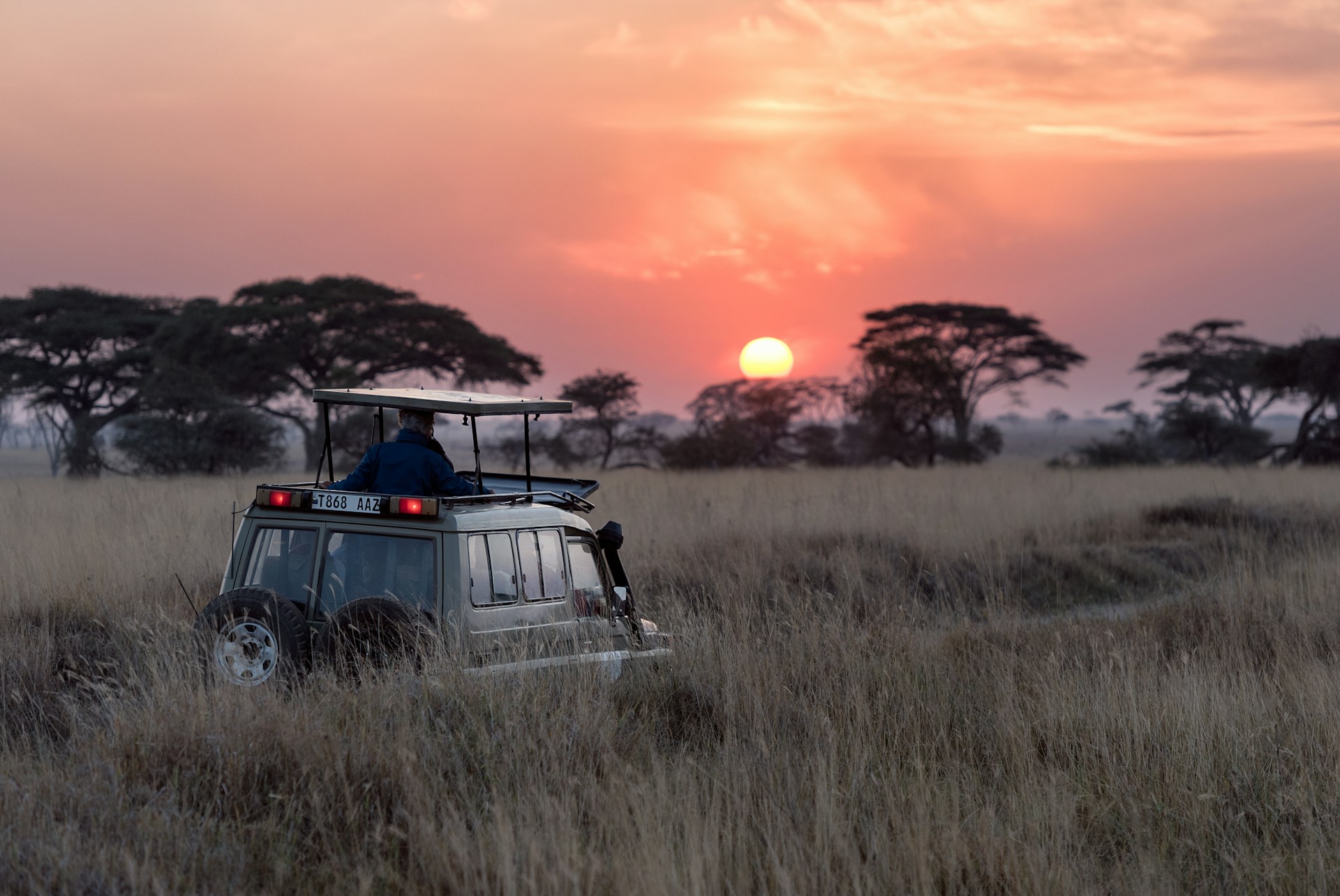
Mount Kilimanjaro National Park
Mount Kilimanjaro is Africa's highest peak and the world's tallest free-standing mountain. Rising 5,895 metres above sea level, this iconic snow-capped giant is one of the most recognisable landmarks on the continent and a UNESCO World Heritage Site.
Why Kilimanjaro Matters
The Roof of Africa — a mountain you can climb without ropes, yet one of the most challenging treks on Earth
Africa's Highest Peak
Uhuru Peak stands at 5,895 metres — the highest point on the continent and the highest free-standing mountain in the world.
Equatorial Snow
Despite sitting near the equator, Kilimanjaro's summit glaciers create a dramatic snow-capped peak visible from hundreds of kilometres away.
Seven Climbing Routes
From the scenic Machame route to the challenging Umbwe, there is a route for every level of trekker.
Five Climate Zones
From tropical rainforest to arctic summit, Kilimanjaro passes through five distinct climate zones in a single climb.
Wildlife
The forest zone hosts colobus monkeys, elephants, and hundreds of bird species — all visible without summiting.
Iconic Views
The mountain's silhouette is visible from Moshi, Arusha, and across the Kenyan border — one of Africa's most iconic sights.
Mount Kilimanjaro Overview
Mount Kilimanjaro is the highest mountain in Africa and the tallest free-standing mountain in the world, rising 5,895 metres above sea level to its highest point, Uhuru Peak, on the Kibo summit. Located in northeastern Tanzania near the Kenyan border, the mountain is a UNESCO World Heritage Site and one of the most iconic natural landmarks on the planet. Kilimanjaro National Park covers approximately 1,688 square kilometres and protects the mountain's unique ecosystems from its cultivated lower slopes to its glacial summit.
Unlike most of the world's highest peaks, Kilimanjaro is not a volcano — it is a dormant stratovolcano composed of three distinct cones: Kibo (the highest), Mawenzi, and Shira. The mountain's glaciers, though shrinking rapidly due to climate change, still cap the summit in white, creating the dramatic silhouette that can be seen from over 200 kilometres away on a clear day. Kilimanjaro's accessibility — no technical climbing equipment is required for most routes — makes it one of the few high-altitude summits that non-technical trekkers can attempt, though the altitude and physical demands should not be underestimated.
Five Climate Zones
One of the most remarkable aspects of climbing Kilimanjaro is the journey through five distinct climate zones, each with its own vegetation, wildlife, and atmosphere. The first zone is the cultivated lower slopes, where local Chagga farmers grow coffee, bananas, and other crops. Above this lies the rainforest zone, a lush belt of tropical forest home to colobus monkeys, blue monkeys, elephants, and a rich variety of birdlife. The heath and moorland zone follows, characterised by giant groundsels and lobelias — prehistoric-looking plants found nowhere else in the world.
Higher still is the alpine desert zone, a stark, rocky landscape with minimal vegetation and extreme temperature variations. Finally, the arctic summit zone covers the upper reaches of Kibo, where ice and snow persist despite the tropical latitude. This progression from tropical forest to arctic glacier within a single climb is unique among the world's great mountains and gives Kilimanjaro its extraordinary ecological diversity.
Climbing Routes Compared
Kilimanjaro has seven officially recognised climbing routes, each offering a different experience in terms of scenery, difficulty, and success rate. The Marangu route, often called the Coca-Cola route, is the most popular and the only one with hut accommodation. It is considered the easiest route but has a lower success rate due to its shorter itinerary. The Machame route, known as the Whiskey route, is more scenic and slightly more challenging, with a higher success rate thanks to its better acclimatisation profile.
The Lemosho route is one of the newest and most beautiful, offering excellent acclimatisation and stunning views of the mountain's western glaciers. The Rongai route approaches from the north, near the Kenyan border, and is the driest route, making it a good choice during the rainy season. The Northern Circuit is the longest route, offering the best acclimatisation and highest success rate but requiring 9 to 10 days. The Umbwe route is the shortest and most direct, making it the most technically challenging. The Shira route starts at a high elevation and is less commonly used.
Wildlife on Kilimanjaro
While Kilimanjaro is primarily known for its climbing routes, the mountain's lower zones support a surprising variety of wildlife. The rainforest zone is home to black and white colobus monkeys, blue monkeys, bushbuck, and a range of forest birds. Elephants occasionally venture into the forest zone, and the heath and moorland zone supports species like sunbirds, alpine swifts, and the rare lammergeier (bearded vulture). The upper zones are too harsh for most wildlife, but the lower slopes offer excellent birding and wildlife viewing for those not attempting the summit.
Birdlife is particularly rich across all zones, with over 150 species recorded on the mountain. The forest zone is the most productive area for birding, with species including the Tacazze sunbird, Hartlaub's turaco, and the African crowned eagle. For travellers who are not climbing to the summit, a guided walk through the lower zones of Kilimanjaro National Park is a rewarding day trip from Moshi or Arusha.
When to Visit as a Non-Climber
You do not need to summit Kilimanjaro to appreciate the mountain. The towns of Moshi and Arusha offer stunning views of the mountain on clear mornings. Day trips to the mountain's lower slopes include nature walks, visits to Chagga villages and coffee farms, and guided hikes through the rainforest zone. The Marangu route's Mandara Hut is reachable as a day hike. For those wanting to see the mountain without any climbing, the Chagga Country Lodge and Kilimanjaro Coffee Lodge both offer spectacular views of the mountain from their grounds.
Best Time to Climb
The best climbing seasons are January to March and June to October. The January to March season is quieter, with colder temperatures and the possibility of snow on the summit — many experienced climbers prefer this window for its solitude and dramatic scenery. The June to October season is the driest and most popular, with clearer skies and more stable conditions. April and May are the wettest months and are generally avoided due to heavy rainfall, slippery trails, and reduced visibility. The mountain can technically be climbed year-round, but the rainy seasons significantly reduce both comfort and summit success rates.
Getting to Kilimanjaro
Kilimanjaro International Airport is the most convenient arrival point, located about 45 minutes from Moshi and 90 minutes from Arusha. The airport receives direct flights from Nairobi, Dar es Salaam, Doha, Amsterdam, and several other cities. Many travellers combine a Kilimanjaro climb with a safari, arriving at Kilimanjaro International Airport and proceeding directly to the mountain before heading to the Serengeti or Ngorongoro. From Arusha, the drive to the various trailheads takes between 1 and 4 hours depending on the route. Our team at Bush Lion Tours handles all transfers, park fees, and logistics for Kilimanjaro climbs.
Related Destinations
Continue exploring Tanzania's most remarkable places
Climb Kilimanjaro
The Roof of Africa awaits. Let our expert team guide you to Uhuru Peak with proven routes and experienced mountain crews.
Get a Free Quote View Kilimanjaro Packages