
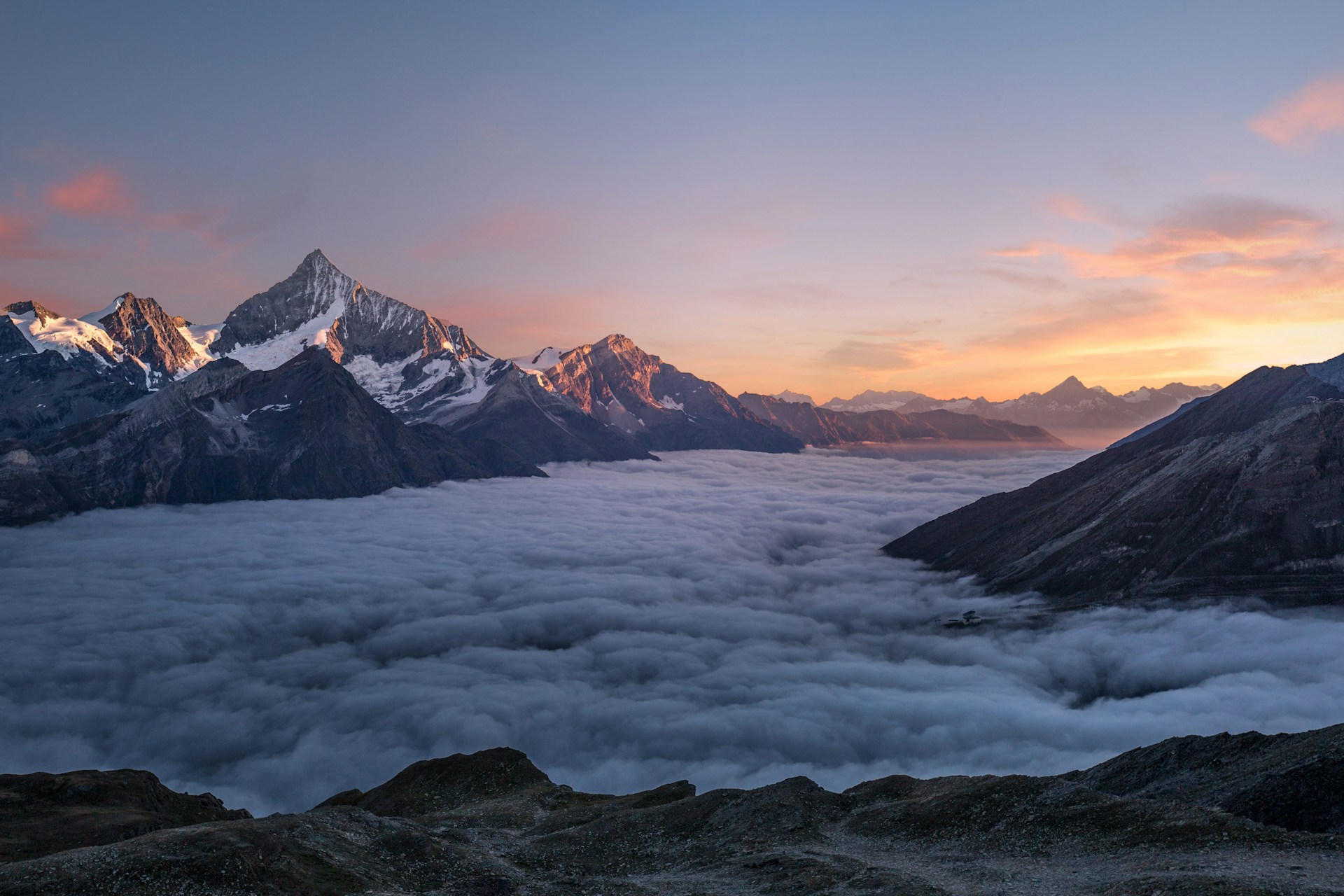
Lake Eyasi
Lake Eyasi is Tanzania's most authentic cultural destination. Located in the Great Rift Valley, it is home to the Hadzabe — one of the last hunter-gatherer tribes on Earth — and the Datoga pastoralists.
Why Visit Lake Eyasi
Walk with the last hunter-gatherers on Earth and experience cultures unchanged for thousands of years
Hadzabe Hunter-Gatherers
Join a morning hunt with the Hadzabe, one of the last true hunter-gatherer tribes on the planet.
Datoga Tribe
Visit the Datoga blacksmiths and pastoralists, known for their distinctive scarification and metalwork.
Bush Walks
Learn survival skills, edible plants, and tracking techniques from people who have mastered the art of living in the wild.
Arrow Hunting
Watch the Hadzabe hunt with hand-crafted bows and poisoned arrows — methods used for thousands of years.
Lake Shore Walks
Walk along the alkaline shores where flamingos and other waterbirds gather in the shallows.
Authentic Encounters
Unlike many cultural tourism experiences, a visit here offers genuine, unscripted human connection.
Lake Eyasi Overview
Lake Eyasi is a seasonal alkaline lake located in the Great Rift Valley of northern Tanzania, about 130 kilometres southwest of Arusha. The lake sits at an elevation of approximately 600 metres above sea level and covers a surface area of about 300 square kilometres during the wet season, shrinking significantly during dry periods. The landscape around the lake is semi-arid, with acacia woodland, rocky outcrops, and open savannah.
But the true reason to visit Lake Eyasi is its people. The lake is the ancestral home of two distinct ethnic groups — the Hadzabe and the Datoga — who have lived in the region for thousands of years and maintained their traditional ways of life despite the pressures of modernity. For travellers seeking a genuine cultural experience that goes far beyond a staged village visit, Lake Eyasi offers something truly rare and unforgettable.
The Hadzabe People — Last Hunter-Gatherers
The Hadzabe, also known as the Hadza, are one of the last remaining hunter-gatherer tribes on Earth. Their population numbers around 1,000 to 1,300 people, and approximately 300 to 400 still live in their traditional way, hunting with hand-crafted bows and gathering wild tubers, berries, and honey. The Hadzabe have lived around Lake Eyasi for at least 10,000 years, making them one of the oldest continuous cultures on the planet.
A typical visit to the Hadzabe begins before dawn, when you join a group of hunters on a morning hunt. Walking through the bush with the Hadzabe is a humbling experience — they move silently through the landscape, reading signs in the sand and vegetation that are invisible to untrained eyes. The hunt may yield small game such as dik-dik, hares, or birds, which are shared equally among the group and cooked over an open fire. After the hunt, you may be invited to share a meal, learn about edible plants, or simply sit and talk through a translator.
The Datoga Tribe — Pastoralists and Blacksmiths
The Datoga are a semi-nomadic pastoralist people who live around Lake Eyasi and in the surrounding highlands. They are easily recognisable by the distinctive circular scarification marks on their faces and the red ochre they apply to their skin. The Datoga are skilled cattle herders and are also known for their blacksmithing — they craft tools, arrowheads, and jewellery from metal, a skill passed down through generations.
Visiting a Datoga settlement offers a fascinating contrast to the Hadzabe way of life. While the Hadzabe are egalitarian and share resources, the Datoga have a more hierarchical social structure centred around cattle ownership. You may witness traditional blacksmithing, learn about their beehive-honey harvesting methods, and hear stories about their history and migration.
Activities at Lake Eyasi
The primary activity at Lake Eyasi is a cultural visit to the Hadzabe and Datoga communities, typically arranged as a half-day or full-day excursion from Karatu or the Ngorongoro area. Most visitors combine a morning hunt with the Hadzabe, followed by a visit to a Datoga village in the afternoon. Guided walks along the lake shore are also available, offering the chance to see flamingos, pelicans, and other waterbirds that gather in the alkaline shallows.
For those interested in photography, Lake Eyasi provides some of the most compelling portrait and documentary photography opportunities in Tanzania. The Hadzabe and Datoga are photogenic subjects, and many visitors find the people-to-people interactions more memorable than wildlife sightings. Early morning light on the lake and the surrounding hills is particularly beautiful.
Flamingos and Wildlife
While Lake Eyasi is not a major wildlife destination, the lake itself supports a population of flamingos that gather in the shallows during the wet season. Great white pelicans, Egyptian geese, and various waders are also present. The surrounding bush supports giraffe, zebra, lesser kudu, and various antelope species, though game viewing is not the main attraction. The landscape is beautiful in its stark, arid way — acacia trees, rocky kopjes, and the shimmering lake create a dramatic backdrop for cultural encounters.
Getting to Lake Eyasi
Lake Eyasi is located about 130 kilometres southwest of Arusha, and the drive takes approximately 4 to 5 hours depending on road conditions. The most common approach is to drive from Arusha or Karatu via the main road that leads to the Ngorongoro Conservation Area. The final section of the road is unpaved and can be rough during the rainy season. Most visitors combine Lake Eyasi with a visit to the Ngorongoro Crater or the Serengeti.
There are a few basic lodges and camps around Lake Eyasi, including the Lake Eyasi Lodge and the Kisima Ngeda Tented Camp. These offer comfortable accommodation in a remote setting and can arrange cultural visits with local guides. For a more immersive experience, some operators offer bush camping near the Hadzabe settlements.
Cultural Etiquette
When visiting the Hadzabe and Datoga, always ask permission before taking photographs. Bring small gifts such as tobacco, beads, or cooking oil rather than money. Dress modestly, especially when visiting Datoga settlements. A local guide is essential for translation and navigating cultural sensitivities.
Best Time to Visit
Lake Eyasi can be visited year-round, but the dry season from June to October offers the best conditions. The roads are more passable, the weather is pleasant, and the Hadzabe are actively hunting during this period. The wet season from November to May brings lush green vegetation and migratory birds but also makes the roads more difficult.
Combining with Ngorongoro
Lake Eyasi is a perfect addition to a Ngorongoro Crater safari. The lake lies just a few hours' drive from the crater, and many itineraries include a cultural visit to the Hadzabe as a complementary experience to the wildlife viewing in Ngorongoro. A typical combination would be a full-day game drive in the Ngorongoro Crater followed by a morning visit to the Hadzabe at Lake Eyasi before returning to Arusha.
Related Destinations
Continue exploring Tanzania's most remarkable places
Experience Lake Eyasi
Walk with the last hunter-gatherers on Earth. Let our local experts arrange a cultural experience you will never forget.
Get a Free Quote View Day Trips