
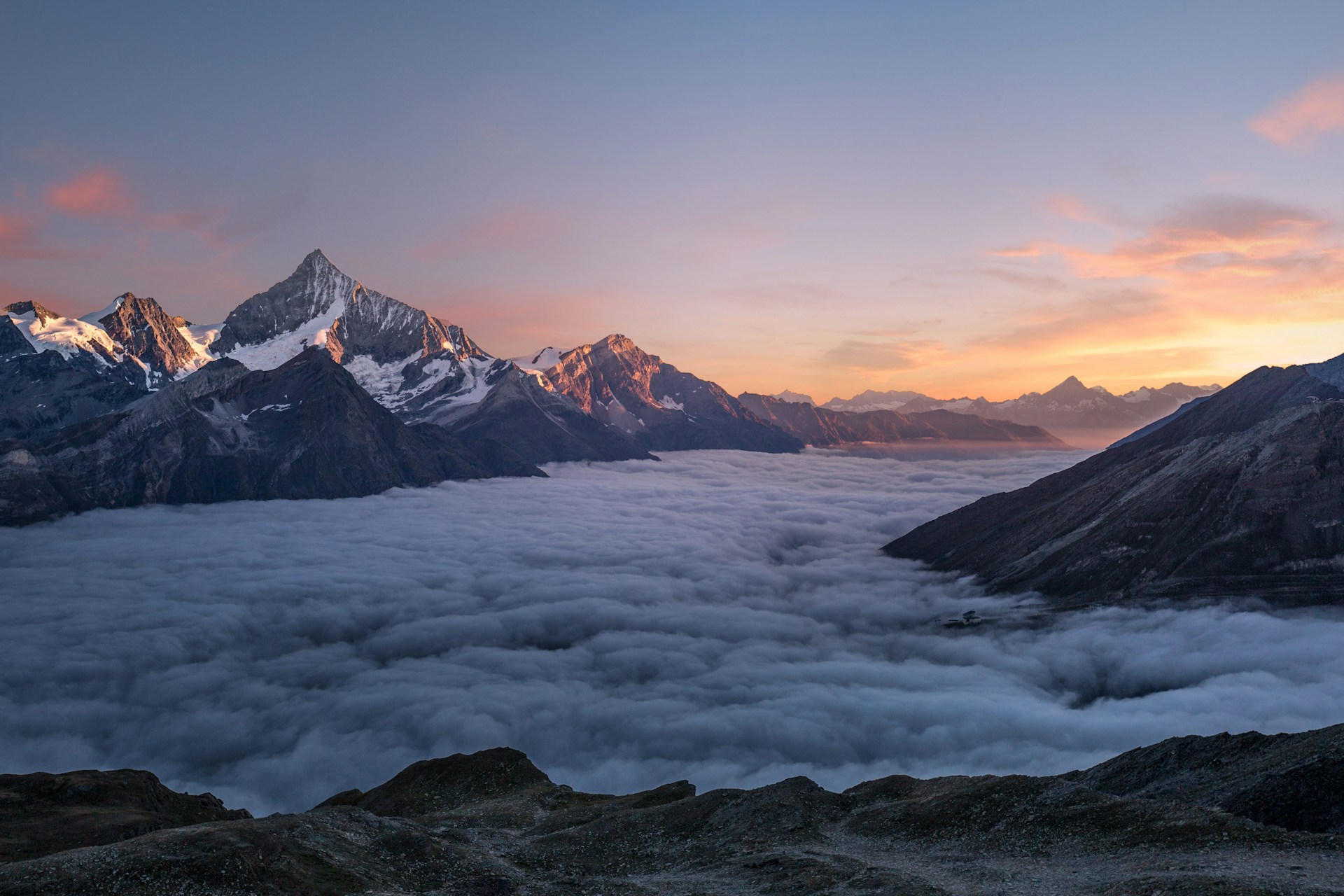
Lake Tanganyika
Lake Tanganyika is the world's longest freshwater lake and one of Tanzania's most untouched natural treasures. With crystal-clear waters, pristine beaches, and gateway access to chimpanzee tracking in Mahale and Gombe, it is the jewel of western Tanzania.
Why Visit Lake Tanganyika
Where ancient waters meet pristine shores and chimpanzees roam the forests above
Crystal-Clear Waters
Visibility up to 20 metres, with over 350 endemic fish species found nowhere else on Earth.
Chimpanzee Gateway
Kigoma is the gateway to Mahale Mountains and Gombe Stream — two of the best chimpanzee tracking sites in Africa.
Pristine Beaches
White-sand beaches and calm, warm water without the crowds found at ocean destinations.
Fishing
Excellent freshwater fishing for tilapia, Nile perch, and over 200 species of cichlid fish.
Boat Trips
Explore the lake by boat, visiting islands, fishing villages, and secluded bays along the shore.
Remote & Wild
Western Tanzania's most off-the-beaten-path destination — authentic, uncrowded, and deeply peaceful.
Lake Tanganyika Overview
Lake Tanganyika is the world's longest freshwater lake and the second-deepest lake in the world, after Lake Baikal in Russia. Stretching approximately 1,470 kilometres through four countries — Tanzania, Burundi, the Democratic Republic of Congo, and Zambia — it covers a surface area of about 32,600 square kilometres and reaches a maximum depth of 1,470 metres. The Tanzanian portion of the lake occupies most of the western shoreline and is by far the most accessible and visited section.
The lake was formed approximately 9 to 12 million years ago, making it one of the oldest lakes in the world. This immense age has allowed an extraordinary process of speciation to occur — over 350 species of cichlid fish are found in Lake Tanganyika, and the vast majority are endemic, meaning they exist nowhere else on Earth. The crystal-clear waters, which can reach visibility of up to 20 metres, make the lake a remarkable destination for snorkelling and diving.
Beaches and Swimming
Unlike the Indian Ocean coast, Lake Tanganyika's beaches are freshwater and free of tides, salt, and strong currents. The water is warm and calm, typically between 24 and 28 degrees Celsius year-round, making it perfect for swimming at any time. The white-sand beaches along the Tanzanian shore are among the most pristine and uncrowded in East Africa. Many lodges and camps offer direct beach access, and the quiet, peaceful atmosphere is a welcome contrast to busier tourist destinations.
The lakeshore near Kigoma and the area around Gombe and Mahale are particularly beautiful, with forested mountains dropping down to the water's edge. Small islands dot the lake, some of which can be visited by boat for picnics and snorkelling. The lake's freshwater is home to colourful cichlid fish that can be seen while snorkelling just metres from the shore.
Chimpanzee Tracking — Mahale and Gombe
Lake Tanganyika is the gateway to two of the most important chimpanzee research and tracking sites in Africa. Mahale Mountains National Park, located on the lake's eastern shore about 150 kilometres south of Kigoma, is home to approximately 1,000 chimpanzees. The park's remote location and lack of roads make it one of the most exclusive and untouched wildlife experiences in Tanzania. Tracking chimpanzees through the dense forest of Mahale is a challenging but deeply rewarding experience.
Gombe Stream National Park, made famous by Jane Goodall's groundbreaking research, is located about 16 kilometres north of Kigoma. It is the smallest national park in Tanzania but one of the most scientifically important. Gombe's chimpanzee population has been studied continuously since 1960, and the habituated chimps here are among the most closely observed in the world. Both parks require a boat transfer across Lake Tanganyika, adding to the sense of adventure and remoteness.
Kigoma Town
Kigoma is the main town on the Tanzanian shore of Lake Tanganyika and the administrative capital of the Kigoma Region. It serves as the transport hub for the lake and the primary base for trips to Gombe and Mahale. The town itself is a laid-back, low-key place with a waterfront market, local restaurants serving fresh lake fish, and a few hotels and guesthouses. The Kigoma Hilltop Hotel offers panoramic views of the lake and is a popular choice for travellers passing through.
Kigoma is also home to the Albert Schweitzer Hospital, a historic mission hospital founded in 1913 by the famous physician and Nobel laureate. The hospital and its grounds are worth a visit for their historical significance and the peaceful setting overlooking the lake.
Fishing and Boat Trips
Lake Tanganyika is one of the best freshwater fishing destinations in Africa. The lake supports over 200 species of cichlid fish, as well as Nile perch, tilapia, and sardine-like species called dagaa. Fishing trips can be arranged from Kigoma or from lodges along the shore. Local fishermen use traditional methods, and visitors can join them for a hands-on experience. Catch-and-release fishing is encouraged for conservation, though some species are eaten locally.
Boat trips on the lake range from short afternoon cruises to multi-day expeditions. The most popular trip is the boat transfer to Gombe Stream, which takes about two hours across the lake and offers stunning views of the forested mountains and the Congolese shoreline in the distance. Sunset cruises on the lake are another highlight, with the sun dropping behind the mountains in a blaze of orange and gold.
Getting There
Kigoma is served by daily flights from Dar es Salaam, with the flight taking approximately two hours. The route is operated by Air Tanzania and Precision Air, and advance booking is recommended as flights are small and fill quickly. By road, Kigoma is accessible from Dar es Salaam (approximately 1,500 km, not recommended for short trips) and from Arusha (approximately 1,000 km). The Tazara Railway connects Kigoma to Dar es Salaam and Zambia, offering a scenic but slow overland option.
From Kigoma, boat transfers to Gombe and Mahale are the primary means of access. These transfers are usually arranged by the parks or your accommodation provider and should be booked in advance, especially during the dry season when demand is highest.
Best Time to Visit
The dry season from May to October offers the best conditions for chimpanzee tracking and lake activities. The water is calm, the weather is pleasant, and the trails in Mahale and Gombe are easier to navigate. The wet season from November to April brings heavier rainfall but also lush green vegetation, migratory birds, and lower prices. Lake Tanganyika can be visited year-round, but the dry season is generally preferred for comfort and accessibility.
Related Destinations
Continue exploring Tanzania's most remarkable places
Explore Lake Tanganyika
From crystal-clear waters to chimpanzee forests, let our local experts design your western Tanzania adventure.
Get a Free Quote View All Safaris