Ndutu Southern Serengeti
The Southern Serengeti and Ndutu region is the heartbeat of the Great Migration during calving season. Each year, over 500,000 wildebeest calves are born in just a few weeks, creating one of nature's most dramatic spectacles.
Why Ndutu Is Famous
The Ndutu region is the epicentre of the Great Migration calving season, where half a million wildebeest calves are born in a few short weeks.
Calving Season
Over 500,000 wildebeest calves are born between January and March, attracting lions, leopards, cheetahs, and hyenas in dramatic predator-prey interactions.
Predator Action
The calving season attracts the highest concentration of predators in Africa. Lion prides, cheetah coalitions, and hyena clans all converge on the southern Serengeti.
Photography
Open plains and dramatic predator-prey encounters make Ndutu one of the best photography destinations in Africa during calving season.
Overview
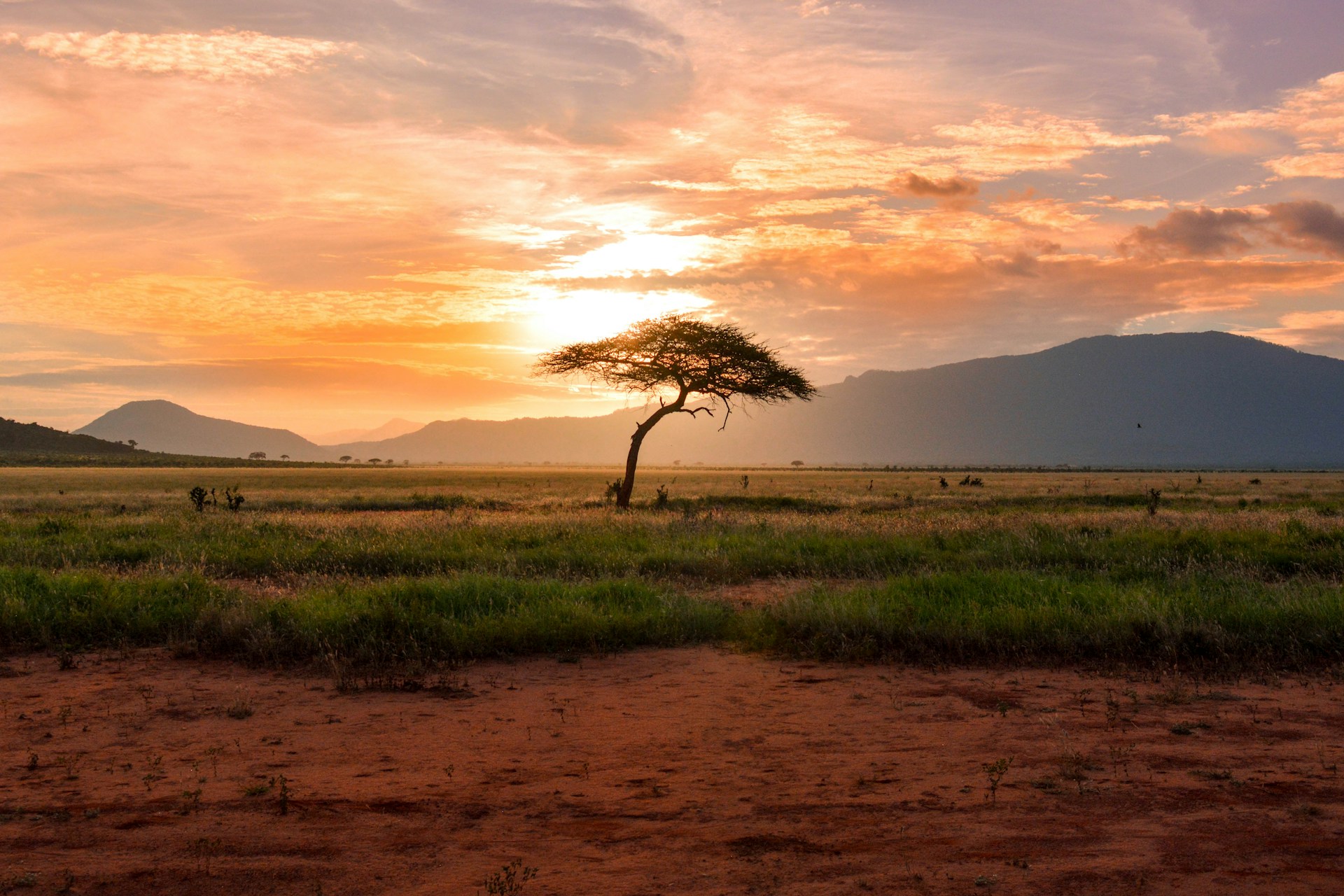
The Ndutu region sits at the southern edge of the Serengeti ecosystem, where the Ngorongoro Conservation Area meets the Serengeti National Park. This area is the primary calving ground for the Great Migration, with over two million wildebeest, zebra, and gazelle using these plains during the wet season.
The Great Migration Calving
Between January and March, approximately 8,000 wildebeest are born each day across the southern Serengeti and Ndutu plains. The calves can stand within minutes and run within hours — an essential survival adaptation in a landscape teeming with predators.
- January: The herds begin arriving in the southern Serengeti, drawn by the fresh grasses that follow the short rains. Early calves start appearing.
- February: Peak calving month. The majority of the 500,000 calves are born during this period. Predator activity reaches its annual peak.
- March: Calving winds down as the herds begin moving northwest towards the central Serengeti. Late-born calves face a challenging journey ahead.
Wildlife
The Ndutu region supports a remarkable concentration of wildlife during calving season. The open plains make it easy to spot large herds, while the proximity of predators creates constant drama.
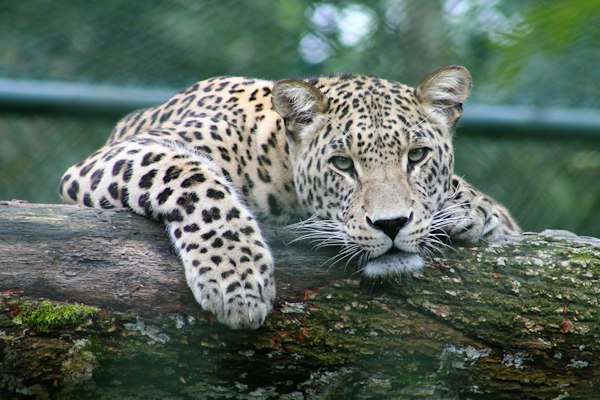
Lions are the most visible predators, with several large prides operating across the Ndutu plains. Cheetahs thrive on the open terrain, using their speed to hunt young calves. Spotted hyenas are abundant, and their clans can number over 50 individuals. Leopards are found in the woodland areas around Lake Ndutu.
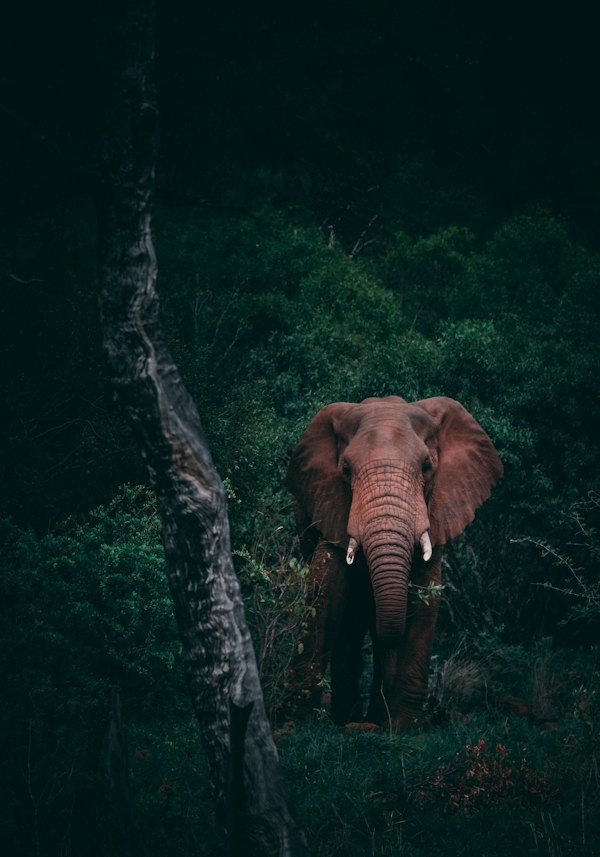
Beyond the migration, the area supports resident populations of elephant, giraffe, buffalo, and various antelope species. Lake Ndutu itself attracts flamingos and other waterbirds.
Best Time to Visit
- January – March: Calving season. The best time to visit for dramatic wildlife interactions and photography. Predator action is at its peak.
- April – May: The herds move northwest. The area is quieter but still has good wildlife viewing.
- June – October: The plains are dry and mostly empty as the migration moves through the northern and western Serengeti.
- November – December: Short rains bring fresh grass. Early herds start returning south.
Game Drives
Game drives in the Ndutu region are conducted on the open plains and around Lake Ndutu. The flat terrain makes it easy to spot wildlife from a distance, and the concentration of animals during calving season ensures exciting encounters.
Morning drives start at dawn when predator activity is highest. Afternoon drives focus on the herds as they move across the plains. Full-day drives with picnic lunches are popular during peak calving season.
Accommodation
The Ndutu area offers a range of accommodation options, from luxury tented camps to mobile camps that follow the migration:
- Luxury: &Beyond Ndutu Tented Lodge and Ole Serai Luxury Camp offer premium experiences with stunning views of the plains.
- Mid-Range: Ndutu Safari Lodge and Kusini Camp provide comfortable accommodation with excellent game viewing.
- Mobile Camps: Several operators run mobile camps that move with the migration, ensuring you're always in the heart of the action.
How to Get There
Ndutu is accessible from Arusha by road (approximately 5–6 hours) or by air to Ndutu Airstrip. Most visitors combine Ndutu with other northern circuit destinations as part of a longer safari itinerary.
Bush Lion Tours Tip
For the best calving season experience, combine a stay in the Ndutu area with Ngorongoro Crater. This gives you predator-prey action on the plains and the unique crater ecosystem in one trip. Book well in advance — Ndutu camps fill up quickly during February and March.
Explore More Destinations
Discover Tanzania's other world-class safari parks and conservation areas.