
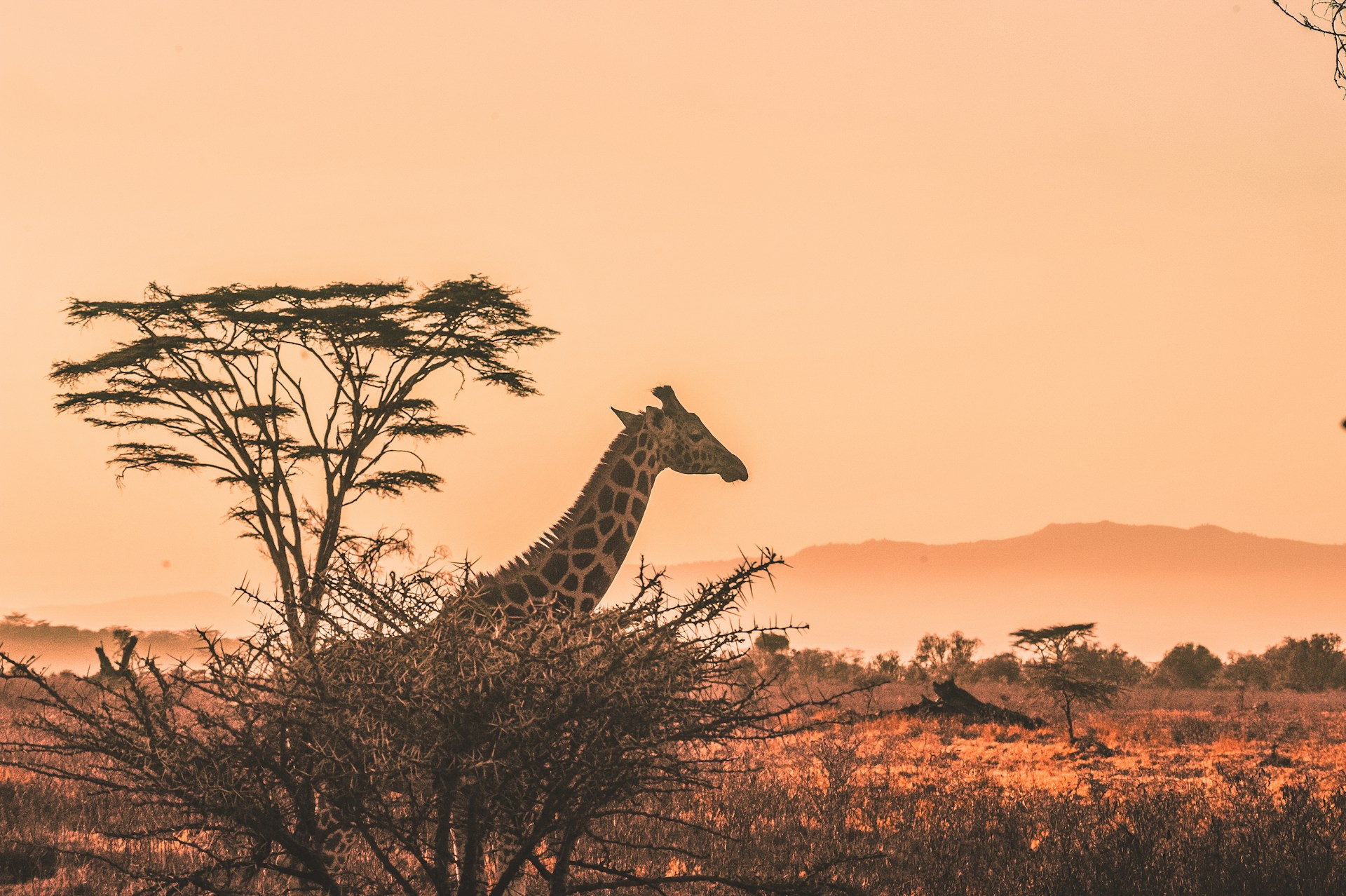
Lake Manyara National Park
Nestled at the foot of the Great Rift Valley escarpment, Lake Manyara is a compact gem of diverse habitats — from lush groundwater forest to open grassland and alkaline lake. It is famous for its tree-climbing lions, massive flocks of flamingos, and the dramatic 600-metre escarpment that frames the park.
Why Lake Manyara Is Special
Lake Manyara packs an astonishing variety of habitats and wildlife into just 330 km² — making it one of the most diverse small parks in Africa.
Tree-Climbing Lions
Lake Manyara is one of only two places in Africa where lions regularly climb trees. The cool shade of the acacia canopy offers relief from the heat — and creates one of the most unusual wildlife sightings on the continent.
Flamingo Flocks
During the wet season, thousands of flamingos turn the lake's shores pink. The alkaline waters support huge populations of these iconic birds, creating one of the most photographed scenes in East Africa.
Groundwater Forest
A lush groundwater forest fed by springs from the Rift Valley escarpment creates a tropical jungle atmosphere — home to baboons, blue monkeys, bushbuck, and giant trumpeter hornbills.
Overview
Lake Manyara National Park covers 330 km² along the base of the 600-metre Great Rift Valley escarpment in the Arusha Region of northern Tanzania. Despite its small size, the park is one of the most ecologically diverse in Africa, encompassing groundwater forest, acacia woodland, open grassland, swamp, and the alkaline soda lake that gives the park its name.
The park was established in 1960 and covers the western shore of Lake Manyara, a shallow alkaline lake that stretches 50 km along the Rift Valley floor. Two-thirds of the lake lies within the park boundary, and during the wet season, its shores attract enormous flocks of flamingos and other waterbirds.
Ernest Hemingway once described Lake Manyara as "the loveliest [place] I had seen in Africa." The park's dramatic scenery — a wall of green escarpment rising behind a shimmering lake — has that effect on visitors. It is a place of extraordinary beauty as well as exceptional wildlife.
Why Tree-Climbing Lions Climb
Lake Manyara is one of only two places in Africa (the other being Lake Mburo in Uganda) where lions regularly climb trees. While lions across the continent occasionally climb, the Lake Manyara lions have made it a regular behavior — and the reasons are debated among researchers.
The most widely accepted explanation is temperature regulation. The lake's low elevation makes it significantly hotter than the surrounding highlands, and the acacia canopy offers welcome shade during the heat of the day. Another theory suggests that climbing gives lions a better vantage point to spot prey on the open grassland. Some researchers also believe that tree-climbing helps lions avoid biting insects on the ground.
Whatever the reason, seeing a lion draped over an acacia branch — tail swishing lazily in the breeze — is one of the most memorable sights of any Tanzania safari.
Flamingo Flocks
During the wet season (November–May), Lake Manyara's alkaline waters attract thousands of lesser flamingos, turning the lake's shoreline into a vivid pink ribbon. The lake's high soda content supports enormous populations of algae, which form the primary diet of these iconic birds.
Greater flamingos also visit in smaller numbers, along with huge congregations of pelicans, storks, herons, and terns. The birdlife at Lake Manyara is exceptional year-round, but the wet season brings the most spectacular gatherings.
Groundwater Forest
The western section of the park is covered by a dense groundwater forest — a tropical jungle fed by underground springs flowing from the Rift Valley escarpment. This forest is home to troops of olive baboons and blue monkeys, which are regularly spotted from the road.
The forest canopy is alive with birds, including the massive silvery-cheeked hornbill, the crowned eagle, and the enormous trumpeter hornbill. Giant fig trees create cathedral-like canopies overhead, and the air is thick with the sound of birdsong and monkey calls.
As you drive deeper into the park, the forest gives way to acacia woodland and eventually to open grassland and the lake shore — a transition that happens over just a few kilometres and feels like moving between entirely different ecosystems.
Hippo Pools
The northern section of the park features several permanent pools where hippo congregate in large numbers. These pools are among the most accessible hippo viewing spots in Tanzania — you can often observe them from just a few metres away as they surface, yawn, and grunt at each other.
The hippo pools are also excellent for birding, with kingfishers, bee-eaters, and fish eagles regularly spotted along the water's edge. The combination of hippos, waterbirds, and the Rift Valley escarpment as a backdrop makes this one of the most scenic areas of the park.
Game Drive Experience
Lake Manyara offers a compact but rewarding game drive experience. The park's loop road covers approximately 35 km and takes 3–4 hours to complete, though most visitors spend 5–6 hours in the park to allow for stops and photography.
The drive begins in the groundwater forest, where baboons and blue monkeys are almost guaranteed. As the forest opens up into acacia woodland, look for giraffe, zebra, and wildebeest. The grassland near the lake shore is home to elephant, buffalo, and — if you're lucky — the famous tree-climbing lions.
The park's compact size means you are almost certain to see a good variety of wildlife on any given visit. Elephant sightings are nearly guaranteed, and the park's lions are regularly spotted in the acacia trees near the lake.
Bush Lion Tours Tip
The best time to see tree-climbing lions is during the heat of the day (10:00 AM – 2:00 PM) when they seek shade in the acacia canopy. Ask your guide to check the trees along the lake shore — lions often choose the same trees day after day.
Canoeing
During the dry season, canoeing on Lake Manyara is a popular activity. Paddling across the alkaline lake offers a completely different perspective on the park — you're at water level with flamingos, pelicans, and fish eagles, while the massive Rift Valley escarpment towers above you.
Canoeing is guided and typically lasts 2–3 hours. It is an excellent addition to a game drive and provides outstanding photography opportunities. Canoeing is not available during the wet season when water levels are too high.
Best Time to Visit
- Dry Season (June – October): Best for general game viewing. Animals concentrate around water sources, making them easier to spot. Tree-climbing lions are more active during the cooler mornings. The park is less crowded than during peak season.
- Green Season (November – May): Flamingo flocks arrive in spectacular numbers. Lush green landscapes, calving season, and excellent birding. Fewer visitors and lower lodge rates. Road conditions can be challenging.
- Best for Photography: The dry season offers the best light and the most dramatic animal sightings. The green season produces the most vibrant landscapes.
Lodges and Accommodation
Lake Manyara offers a range of accommodation from luxury lodges to budget campsites:
- Luxury: andBeyond Lake Manyara Tree Lodge offers elevated treehouse-style suites in the forest canopy. Rates from $800–$1,500 per person per night.
- Mid-Range: Lake Manyara Serena Safari Lodge and Kirurumu Tented Lodge provide comfortable accommodation with stunning lake views. Rates from $300–$600 per person per night.
- Budget: Public campsites are available within the park.
Day Trip vs Overnight
Lake Manyara works beautifully as either a day trip or an overnight stay. As a day trip, it pairs perfectly with Ngorongoro or Tarangire on a northern circuit itinerary. The park is located just 1.5 hours from Arusha and 30 minutes from the Ngorongoro Crater, making it an easy addition to any safari.
An overnight stay allows you to explore the park more thoroughly, including the hippo pools, the groundwater forest, and the lake shore. The andBeyond Tree Lodge and several mid-range lodges offer excellent value for an overnight visit.
Explore More Destinations
Discover Tanzania's other world-class safari parks and conservation areas.
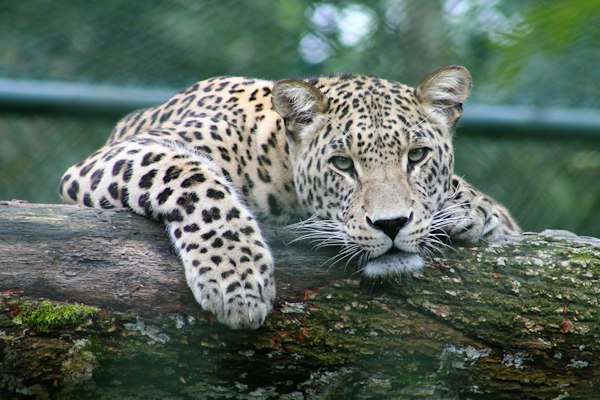
Serengeti National Park
The endless plains — home to the Great Migration, Big Five, and the largest concentration of predators in Africa.

Ngorongoro Conservation Area
The world's largest volcanic caldera, home to 25,000 animals and the densest Big Five population in Africa.
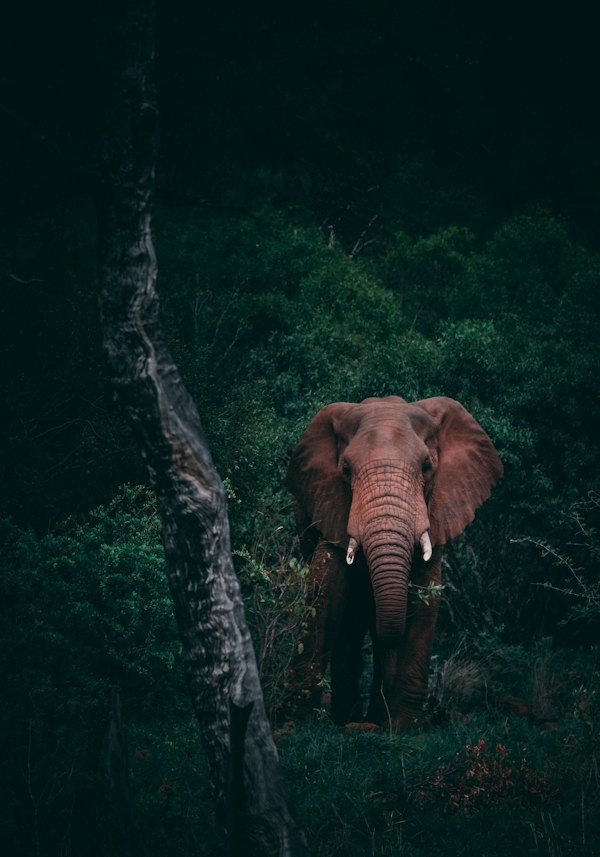
Tarangire National Park
Tanzania's most underrated park — massive elephant herds, baobab landscapes, and 550 bird species.
Ready to Visit Lake Manyara?
Lake Manyara is the perfect first or last stop on a northern circuit safari. Let us design a personalised itinerary that includes Lake Manyara, Tarangire, and the Ngorongoro Crater.