
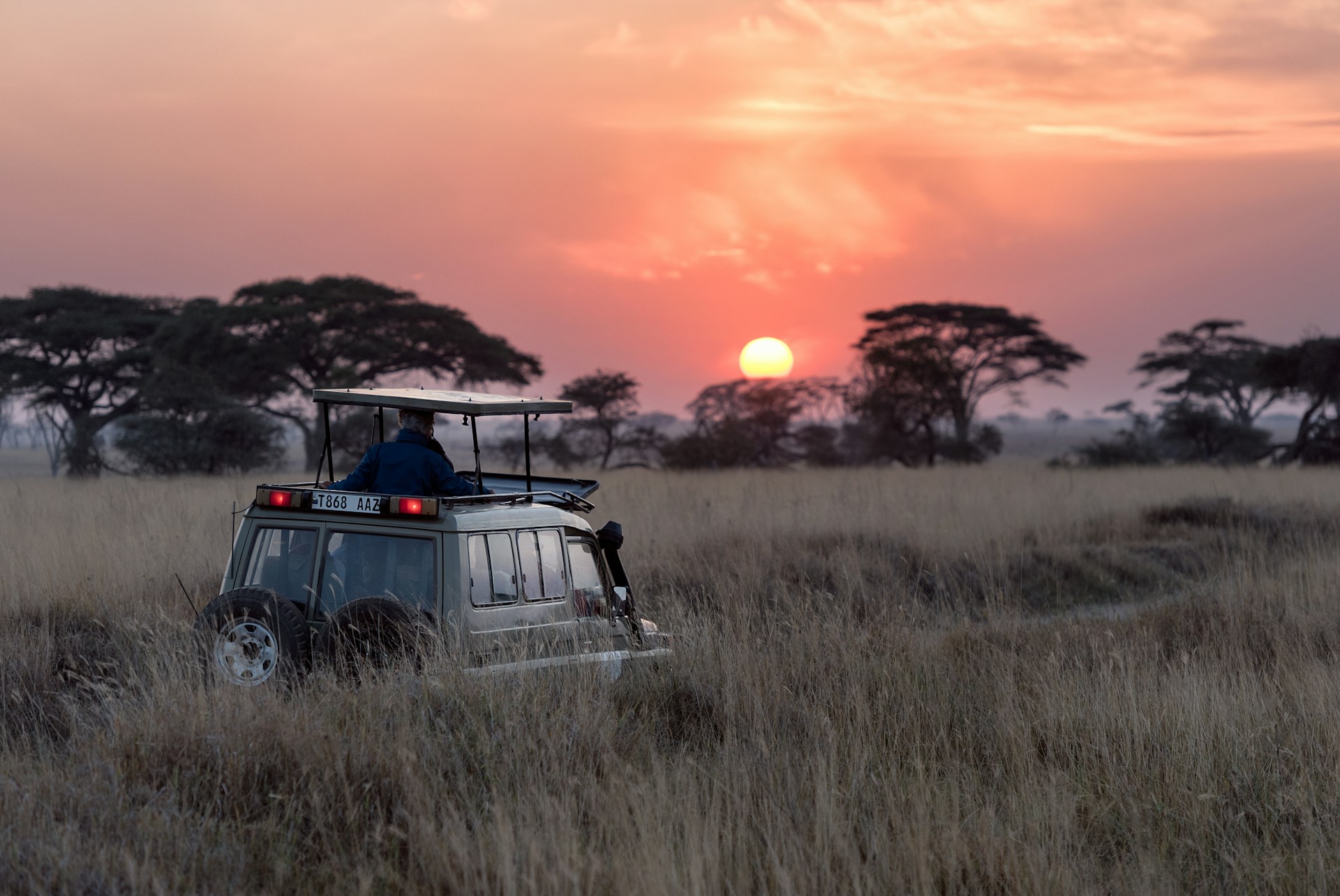
Arusha National Park
Just 25 minutes from Arusha city centre, Arusha National Park is the perfect introduction to Tanzania's natural wonders. Canoe on the Momela Lakes, walk through montane forest alive with black and white colobus monkeys, and gaze up at Mount Meru — Tanzania's second highest peak at 4,566 metres.
Why Arusha National Park Is Special
Arusha National Park is the most accessible park in Tanzania and offers an extraordinary range of experiences — from canoeing and forest walks to game drives and mountain climbing — all within an hour's drive of Arusha.
Momela Lakes
Seven alkaline lakes that shimmer in shades of green, blue, and white. Canoe among flamingos, pelicans, and hippos with Mount Meru as your backdrop.
Mount Meru
Tanzania's second highest peak at 4,566 metres. A challenging 3-day climb through four climate zones — from rainforest to alpine desert — with panoramic views of Kilimanjaro.
Colobus Monkeys
The park's montane forest is home to troops of black and white colobus monkeys — their distinctive black and white coats make them one of the most photogenic primates in Africa.
Overview
Arusha National Park covers 552 km² at the base of Mount Meru in the Arusha Region of northern Tanzania. Established in 1960, the park is one of the smallest in Tanzania but arguably the most diverse, encompassing montane forest, alkaline lakes, the Momela wetlands, and the spectacular Ngurdoto Crater.
Unlike most Tanzanian national parks, Arusha is easily accessible as a day trip from Arusha or Moshi. The park gate is just 25 minutes from Arusha city centre, making it the perfect first or last stop on a northern circuit safari itinerary.
The park is also the gateway to Mount Meru, Tanzania's second highest peak and a popular acclimatisation climb for Kilimanjaro trekkers. The combination of accessible wildlife, stunning scenery, and proximity to Arusha makes Arusha National Park an essential part of any Tanzania travel itinerary.
Momela Lakes
The Momela Lakes are a group of seven alkaline lakes that stretch across the northern section of the park. Each lake has a distinct colour — from deep blue to pale green — caused by the varying mineral content and algae populations in the alkaline waters.
The lakes are a magnet for waterbirds. Flamingos gather in huge numbers during the wet season, while pelicans, Egyptian geese, and fish eagles are present year-round. Hippo pools in the larger lakes offer excellent wildlife viewing, and the lakeside trails provide some of the most peaceful walking in Tanzania.
Canoeing on the Momela Lakes is one of the park's signature activities. Paddling across the calm waters with Mount Meru towering above you is an experience unlike any other in East Africa. Canoeing is guided and typically lasts 2–3 hours, with excellent opportunities for bird photography.
Mount Meru
Mount Meru stands at 4,566 metres, making it the second highest mountain in Tanzania after Kilimanjaro. The climb is a challenging 3-day trek that passes through four distinct climate zones: dense rainforest, heath and moorland, alpine desert, and the barren summit zone.
The climb begins at the park gate at 1,500 metres and ascends through lush forest inhabited by colobus monkeys, bushbuck, and giant forest hogs. Above the forest, the landscape opens up to alpine meadows dotted with giant lobelias and groundsels. The final push to the summit (3,800 m) takes you through volcanic terrain to a viewpoint overlooking the spectacular Meru Crater and, on clear days, Mount Kilimanjaro in the distance.
Mount Meru is an excellent acclimatisation climb for Kilimanjaro trekkers. The altitude gain and varied terrain provide a perfect training experience before tackling Africa's highest peak.
Ngurdoto Crater
The Ngurdoto Crater is a mini caldera located in the southeastern section of the park. The 400-metre-wide crater is surrounded by steep forested walls and harbours a small population of buffalo, elephant, and various monkey species.
A viewpoint on the crater rim offers dramatic views down into the caldera. The forest surrounding the crater is home to troops of black and white colobus monkeys, blue monkeys, and olive baboons — all regularly spotted from the road.
Colobus Monkeys
Arusha National Park is one of the best places in Tanzania to see black and white colobus monkeys. These striking primates — with their flowing black fur and white mantles — are arboreal and rarely come to the ground. They are most commonly spotted in the canopy of the montane forest, where they move through the trees with remarkable agility.
The park also supports troops of blue monkeys, olive baboons, and the occasional Sykes' monkey. The combination of four primate species makes Arusha a unique destination for wildlife enthusiasts interested in primates.
Forest Walks
Forest walks are one of Arusha National Park's most rewarding activities. Guided walks through the montane forest allow you to experience the park's wildlife at close quarters — you'll hear the distinctive calls of colobus monkeys, spot giant forest hogs in the undergrowth, and identify hundreds of bird species.
The walks are gentle and suitable for all fitness levels, making them ideal for families with children or travellers who prefer a slower pace. Walking in the forest is a completely different experience from vehicle-based game drives — you notice the smaller details, from insects and fungi to the interplay of light through the canopy.
Bush Lion Tours Tip
For the best colobus monkey sightings, walk the trail between the Momela Lakes and the Ngurdoto Crater early in the morning. The monkeys are most active during the first few hours of daylight, and the morning light filtering through the forest canopy creates stunning photography conditions.
Game Drives
While Arusha National Park is not known for big game, its game drives offer a pleasant introduction to Tanzanian wildlife. Elephant, buffalo, giraffe, zebra, and various antelope species are regularly seen, along with the park's famous primates.
The park's loop road covers approximately 35 km and takes 3–4 hours to complete. The drive passes through diverse habitats — from dense forest to open grassland — and offers excellent birding throughout. The combination of forest, lake, and grassland habitats supports over 400 bird species, including the silvery-cheeked hornbill, crowned eagle, and numerous sunbirds.
Day Trip from Arusha
Arusha National Park is the most popular day trip from Arusha, and for good reason. The park is just 25 minutes from the city centre, and a half-day visit allows you to experience the Momela Lakes, the Ngurdoto Crater, and a forest walk without the time commitment of a full-day safari.
A typical day trip includes a morning game drive through the forest and grassland, a walk along the Momela Lakes, and a picnic lunch with views of Mount Meru. Canoeing can be added for an additional activity. Most visitors combine Arusha National Park with a visit to a Maasai village or a cultural tour of Arusha city.
Best Time to Visit
- Dry Season (June – October): Best for game viewing and forest walks. The drier conditions make trails easier to navigate, and animals concentrate around water sources. Mount Meru climbing is best during this period.
- Green Season (November – May): Lush green landscapes, fewer visitors, and excellent birding with migratory species. The Momela Lakes are at their most vibrant. Mount Meru climbing is possible but wetter and muddier.
- Year-Round: Arusha National Park is open and accessible throughout the year. The park's proximity to Arusha makes it an easy addition to any itinerary regardless of season.
Explore More Destinations
Discover Tanzania's other world-class safari parks and conservation areas.
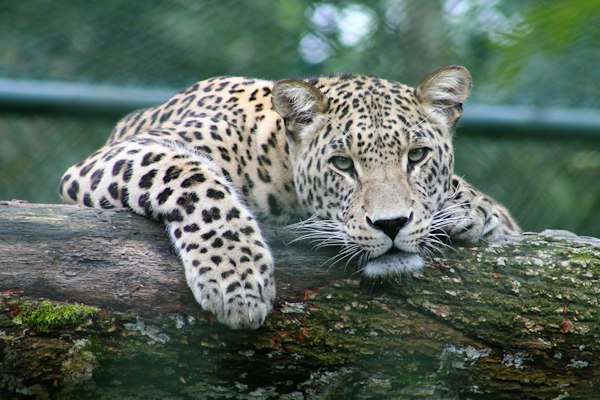
Serengeti National Park
The endless plains — home to the Great Migration, Big Five, and the largest concentration of predators in Africa.

Ngorongoro Conservation Area
The world's largest volcanic caldera, home to 25,000 animals and the densest Big Five population in Africa.
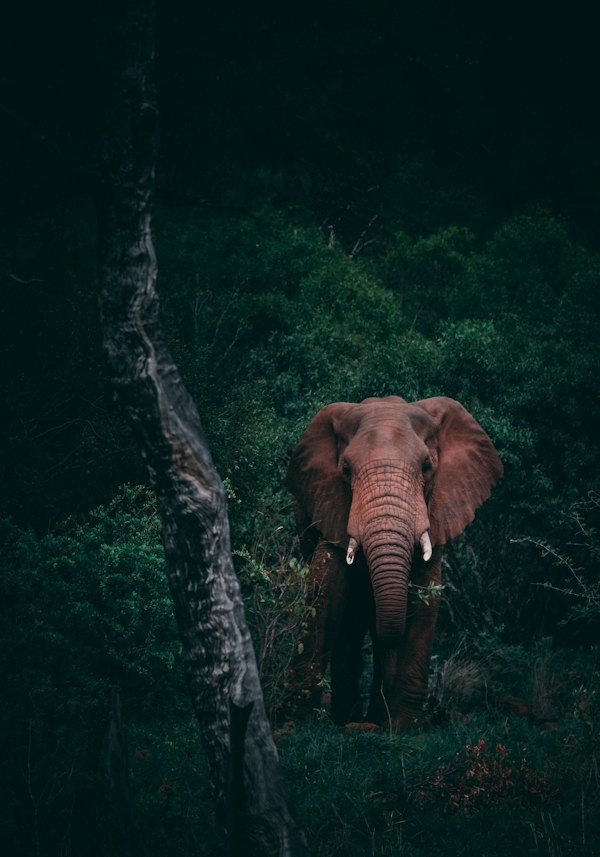
Tarangire National Park
Tanzania's most underrated park — massive elephant herds, baobab landscapes, and 550 bird species.
Ready to Visit Arusha National Park?
Arusha National Park is the perfect day trip or first stop on your northern circuit safari. Let us design a personalised itinerary that includes Arusha, Tarangire, and the Ngorongoro Crater.