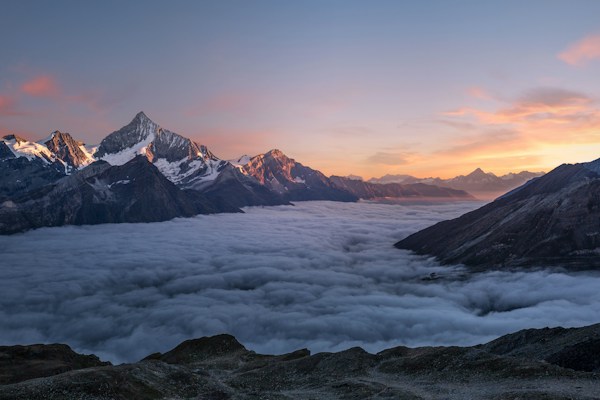
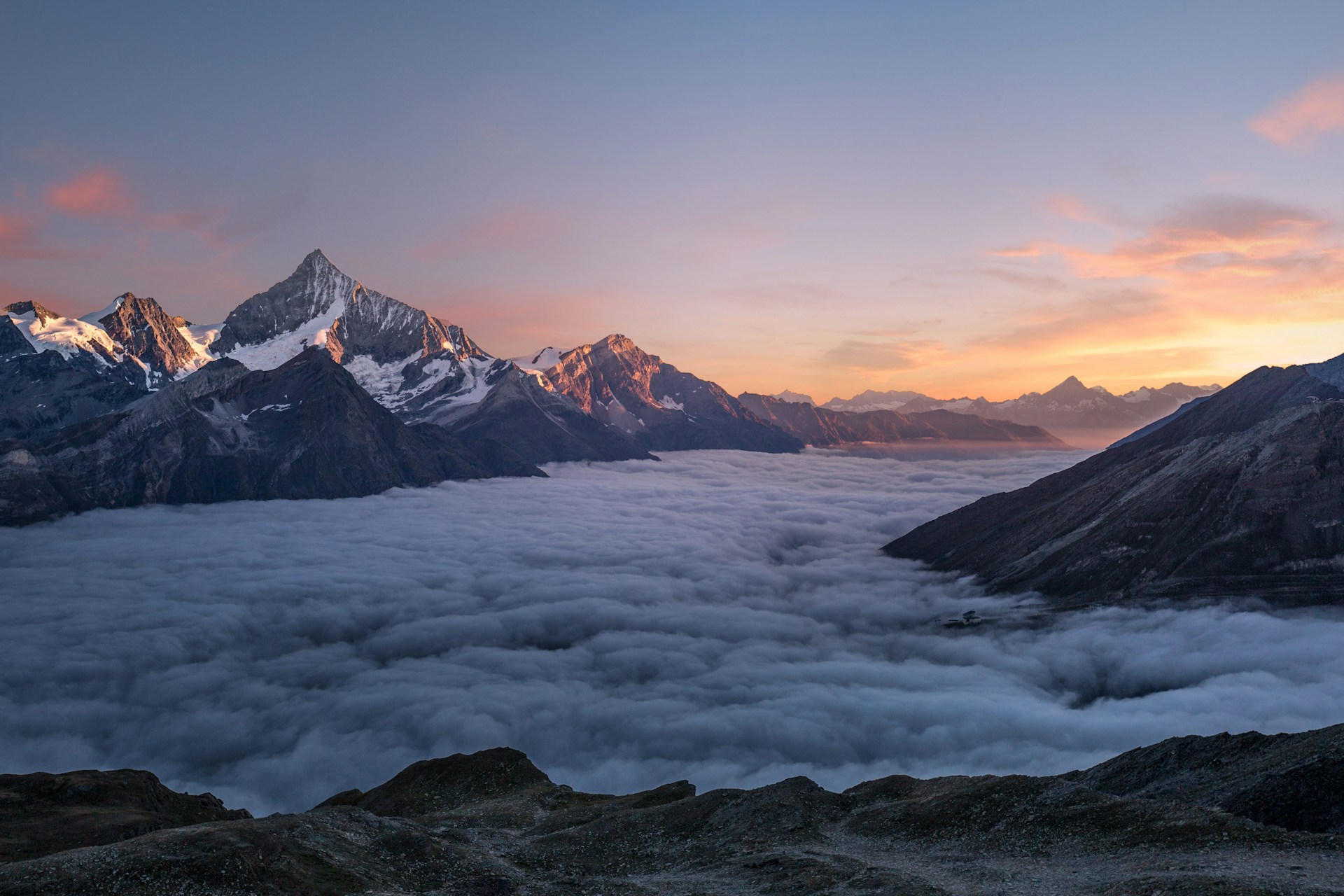
Ten days is the sweet spot for a Tanzania adventure that combines the raw challenge of climbing Kilimanjaro with the breathtaking wildlife spectacle of a Serengeti safari. It is long enough to give both experiences the time they deserve, yet short enough to fit into most holiday schedules without requiring a month off work. This itinerary has been refined over hundreds of trips and thousands of satisfied travellers — it is the exact blueprint our guides use when designing the perfect dual-adventure journey.
What makes this itinerary different from the dozens of generic Tanzania plans online is that it accounts for the realities of travel: jet lag recovery, altitude acclimatization, the physical toll of climbing, transit logistics between destinations, and the need for genuine rest days. We have built in buffer time where it matters, skipped the unnecessary tourist traps, and focused every single day on experiences that justify the investment of your time and money.
At a Glance
The perfect balance of challenge and reward — summit Africa's highest peak, then witness the Great Migration across the Serengeti plains.
Trip Overview: What You Are Signing Up For
This itinerary follows the Machame route on Kilimanjaro — widely regarded as the best balance of scenery, acclimatization, and summit success rate. After descending, you transfer directly to the Serengeti for three full days of game drives. The trip includes airport transfers, all accommodation, park fees, meals on the mountain, an experienced English-speaking guide team, and a 4x4 safari vehicle with pop-up roof.
Choosing Your Kilimanjaro Route
The route you choose affects everything: your daily distance, the scenery you encounter, your chances of reaching the summit, and how much you enjoy the journey. For a 10-day combined itinerary, you need a route that balances acclimatization with time efficiency. Here is how the three best options compare:
Machame Route
Lemosho Route
Northern Circuit
For this 10-day itinerary, the Machame route is the recommended choice. It takes six days on the mountain, which leaves enough time for three full safari days plus travel and rest. The Lemosho route is superior in acclimatization but adds a day, which compresses the safari portion. The Northern Circuit is the best route overall but requires 9 days just for the climb, making a combined trip too rushed.
The Day-by-Day Itinerary
Here is exactly what each day looks like, including elevation profiles, what to expect, and insider tips from our guides who have led this itinerary hundreds of times.
Arrive in Moshi — Gateway to Kilimanjaro
Your adventure begins the moment you land at Kilimanjaro International Airport. Our driver will meet you in the arrivals hall and transfer you to your lodge in Moshi — a charming town at the foot of the mountain. The drive takes approximately 45 minutes and passes through banana plantations and coffee farms with Kilimanjaro looming in the background.
Check in, rest, and acclimatize. In the afternoon, your lead guide will visit for a comprehensive briefing: route overview, weather conditions, gear check, and Q&A session. This is your chance to ask everything — from summit night expectations to what the porters will carry.
- Accommodation: Park View Hotel or similar (mid-range) / Kilimanjaro White House (budget) / &Beyond Nyerere Lodge (luxury)
- Meals: Dinner at lodge
- Altitude: Moshi sits at 800m — no altitude concerns
Machame Gate → Machame Camp
After an early breakfast, you are driven to Machame Gate (1,800m), about 45 minutes from Moshi. Registration and paperwork complete, you begin trekking through dense tropical rainforest. The trail is muddy, shaded, and alive with the sounds of birds and colobus monkeys. It is a gentle warm-up that eases you into the rhythm of mountain walking.
The rainforest zone is stunningly beautiful — giant ferns, moss-draped trees, and constant birdsong. Your porters will be moving ahead to set up camp, and you will hear them singing as they climb. The trek takes five to six hours, and you arrive at Machame Camp (3,000m) in the late afternoon. The temperature drops noticeably as you gain altitude.
- Distance: 11 km
- Hiking Time: 5–6 hours
- Altitude Gain: 1,200m
- Meals: Breakfast at lodge, lunch and dinner at camp
Machame Camp → Shira Camp
Today is shorter but steeper. You leave the rainforest behind and enter the moorland zone — open grasslands with giant groundsels and lobelias that look prehistoric. The trail climbs steadily through the heath zone, with spectacular views opening up as you ascend. On clear days, you can see the Kibo summit cone towering above you.
The trek takes four to five hours, and you arrive at Shira Camp (3,840m) early afternoon. This is the highest camp on the Machame route, and the landscape is dramatic — vast moorland stretching to the horizon with Kilimanjaro's glaciers visible above. Use the afternoon to explore the camp surroundings and hydrate well.
- Distance: 5 km
- Hiking Time: 4–5 hours
- Altitude Gain: 840m
- Meals: All meals at camp
Shira Camp → Lava Tower → Barranco Camp
This is the most important day for acclimatization and arguably the most spectacular. You trek east toward the Lava Tower (4,630m), a massive volcanic rock formation that juts out of the mountain like a fortress. The climb to the tower is slow and deliberate — you are gaining 800 metres of altitude, and the air is noticeably thinner.
At the Lava Tower, you are rewarded with 360-degree views of the mountain, the plains below, and the glaciers above. You then descend steeply to Barranco Camp (3,960m) through the stunning Barranco Valley. This "climb high, sleep low" profile is essential for acclimatization — it trains your body to handle altitude without putting you at risk.
- Distance: 10 km
- Hiking Time: 6–7 hours
- High Point: Lava Tower at 4,630m
- Meals: All meals at camp
Barranco Camp → Karanga Camp
Morning brings the famous Barranco Wall — a 250-metre rock scramble that requires using both hands and feet. It looks intimidating from below, but it is well within the ability of anyone with reasonable fitness. Your guides will position themselves to assist, and the sense of achievement upon reaching the top is immense.
After the wall, the trail traverses beautiful alpine terrain with dramatic views of the Heim Glacier and Kibo's southern ice fields. The trek to Karanga Camp is relatively short — four to five hours — giving you time to rest, hydrate, and prepare for summit night. Early to bed tonight; you will be woken at midnight.
- Distance: 6 km
- Hiking Time: 4–5 hours
- Challenge: Barranco Wall (scrambling)
- Meals: All meals at camp
Karanga Camp → Summit → Mweka Camp
The day you have been working toward. At midnight, your guide knocks on your tent. You dress in every layer you have, check your headlamp, and step into the freezing darkness. The trail is lit only by headlamps — a line of small lights snaking up the mountain toward the roof of Africa.
The climb is relentless. The slope is steep, the air is thin, and every step requires conscious effort. Your guides set a slow, steady pace — "pole pole" (slowly, slowly) in Swahili. You pass through Stella Point (5,756m) and push on to Uhuru Peak (5,895m). The summit sunrise — watching the sun paint Kilimanjaro's glaciers gold and pink from the highest point in Africa — is a moment that changes lives.
After photos and celebration, you begin the long descent to Mweka Camp (3,100m). The downhill is hard on the knees but the changing vegetation zones — from arctic荒漠 back to lush forest — provide constant distraction. You arrive at camp exhausted, emotional, and profoundly proud.
- Distance: 15 km (up and down)
- Hiking Time: 12–16 hours total
- Summit: Uhuru Peak — 5,895m
- Meals: All meals at camp
Mweka Camp → Mweka Gate → Moshi
The final day on the mountain is a gentle descent through the rainforest. You wake at dawn, have a leisurely breakfast, and trek downhill for three to four hours to Mweka Gate (1,640m). The forest is alive with birdsong, and the warm air feels incredible after days at altitude. At the gate, you receive your summit certificate — green for Stella Point, gold for Uhuru Peak.
Your driver meets you and transfers you back to your lodge in Moshi. A shower has never felt so good. The afternoon is yours to rest, celebrate, and begin processing the extraordinary experience you just completed. Most travellers describe this evening as one of the most emotionally rich of their lives.
- Distance: 10 km
- Hiking Time: 3–4 hours
- Celebration: Summit certificate + lodge dinner
- Meals: Breakfast and lunch on trail, dinner at lodge
Transfer to Serengeti — The Adventure Continues
After a well-earned sleep-in and a proper breakfast, you transfer to Kilimanjaro Airport for a scheduled flight to the Serengeti. The flight takes approximately one hour and offers jaw-dropping aerial views of the Ngorongoro Conservation Area and the Serengeti plains stretching to the horizon.
Alternatively, you can drive via the Ngorongoro Conservation Area (8–10 hours), stopping at the crater rim for your first views of the world's largest volcanic caldera. The drive is scenic but long — only recommended if you want to include a Ngorongoro crater visit on Day 9.
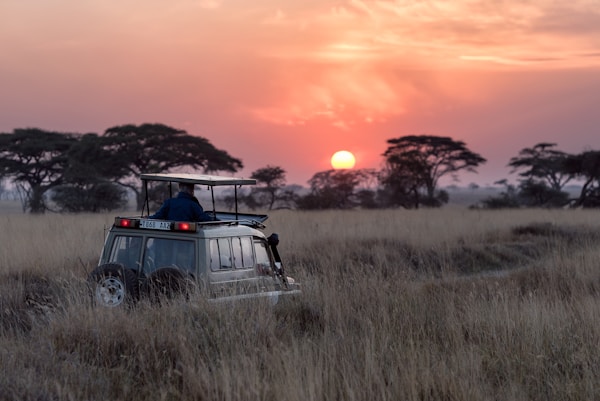
Upon arrival in the Serengeti, you are met by your safari guide and transferred to your lodge or camp. An afternoon game drive introduces you to the park's rhythms — the golden light, the acacia-dotted plains, and the first sightings of elephant, giraffe, and zebra. Sundowner drinks in the bush as the sun sets over the Serengeti.
- Option A: Flight JRO → Seronera (1 hour, ~$300 pp)
- Option B: Drive via Ngorongoro (8–10 hours, scenic)
- Game Drive: Afternoon (3–4 hours)
- Meals: All meals at lodge/camp
Full Day Safari — Serengeti Plains
This is the day the Serengeti earns its reputation as the greatest wildlife sanctuary on Earth. You depart at dawn for a full-day game drive with packed lunch. The morning light is magical — golden grasslands, long shadows, and animals at their most active.
Head to the central Seronera area, known for its big cat density. Lions are found on almost every kopje (rocky outcrop), cheetahs hunt on the open plains, and leopards rest in the sausage trees along the Seronera River. During migration season (June–October), herds of wildebeest and zebra blanket the landscape in their millions.
Stop for lunch in the bush — a table set under an acacia tree with champagne, cold meats, and fresh salads. Afternoon game drives target different areas: the hippo pools at Retima, the lion pride territories near Simba Kopje, or the cheetah hunting grounds on the southeastern plains.
- Game Drive Duration: Full day (6–8 hours in park)
- Key Wildlife: Lion, leopard, cheetah, elephant, buffalo, giraffe, hippo, crocodile, wildebeest, zebra
- Picnic Lunch: Served in the bush
- Meals: Breakfast and dinner at lodge, lunch in bush
Morning Safari → Departure
Rise before dawn for a final morning game drive. The first hour of light is when the Serengeti is most alive — predators finishing their night hunts, elephants at the waterholes, and the plains shimmering in the golden haze. It is a fitting farewell to one of the most extraordinary places on Earth.
Return to camp for breakfast, check out, and transfer to the airstrip for your flight to Arusha or Kilimanjaro International Airport. Depending on your flight schedule, you may have time for a quick visit to a Maasai market or a coffee farm in Arusha.
Many travellers describe this final morning as bittersweet — you are leaving a place that has challenged, inspired, and transformed you. But the memories, the photographs, and the summit certificate in your bag are yours forever.
- Game Drive: Early morning (3–4 hours)
- Transfer: Lodge → airstrip → airport
- Option: Arusha market visit if time allows
- Meals: Breakfast at lodge
Where You Will Stay
Accommodation quality varies enormously in Tanzania. We have curated options across four budget tiers, all vetted by our team for service, location, and value. Here are our recommendations for each segment of the trip:
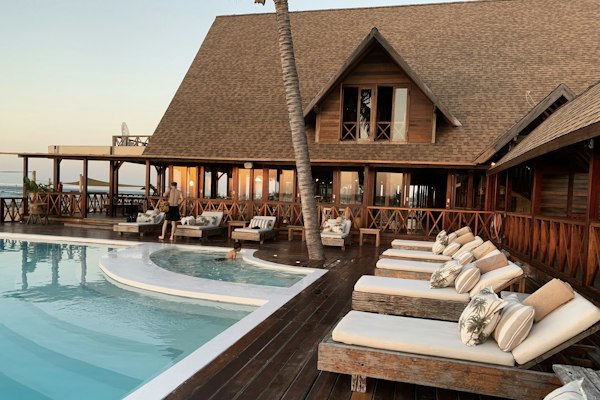
Park View Hotel, Moshi
Comfortable rooms with Kilimanjaro views. Pool, restaurant, and walking distance to town. Perfect pre- and post-climb base.
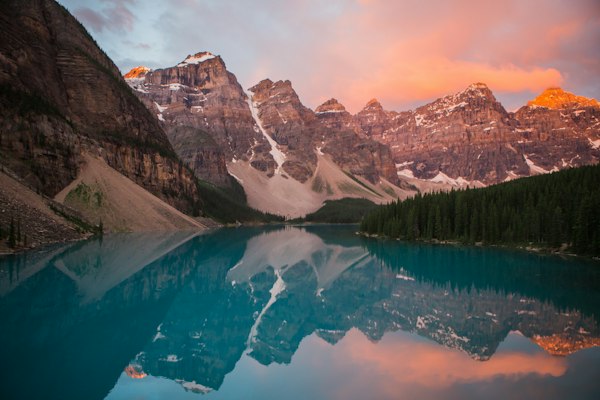
Serengeti Serena Safari Lodge
Perched on a ridge overlooking the Serengeti plains. Infinity pool, spa, and sunset views that will redefine your idea of luxury.
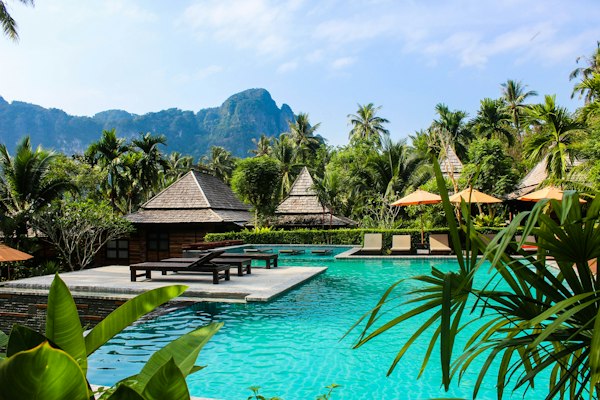
Four Seasons Safari Lodge Serengeti
The pinnacle of Serengeti luxury. Private plunge pools, butler service, and a spa overlooking a hippo-filled waterhole.
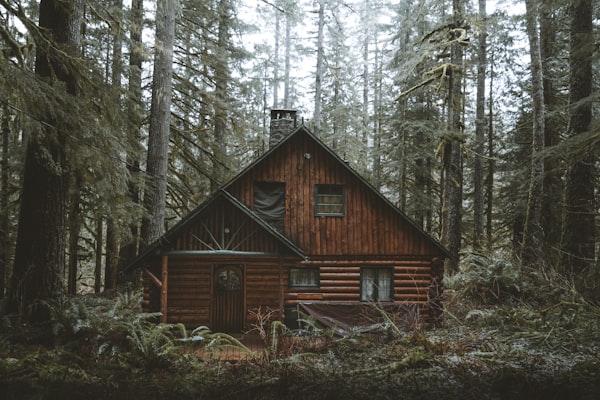
Machame Camp (On Mountain)
Spacious mess and sleeping tents provided by your climbing operator. Warm sleeping bags, camp chairs, and hearty meals included.
What It Costs: Full Budget Breakdown
Transparency matters. Here is exactly what this 10-day itinerary costs across three budget tiers. All prices are per person based on two travellers sharing.
| Expense | Budget | Mid-Range | Luxury |
|---|---|---|---|
| Kilimanjaro climb (6-day Machame) | $1,800 | $3,200 | $5,800 |
| Park fees (Kilimanjaro) | $1,000 | $1,000 | $1,000 |
| Serengeti safari (3 days) | $1,200 | $2,800 | $6,500 |
| Internal flights (JRO–Serengeti–JRO) | $300 | $350 | $500 |
| Moshi accommodation (2 nights) | $120 | $300 | $800 |
| Tips (guides, porters, safari crew) | $250 | $400 | $700 |
| Travel insurance | $150 | $200 | $300 |
| TOTAL PER PERSON | $4,820 | $8,250 | $15,600 |
Packing List: What to Bring
Packing for a combined Kilimanjaro and safari trip is a balancing act. You need cold-weather gear for the summit and light, neutral-coloured clothing for the Serengeti. Here is the essential list:
Kilimanjaro Essentials
- Four-season sleeping bag (-15°C rated)
- Waterproof jacket and pants
- Thermal base layers (top and bottom)
- Insulated down jacket
- Trekking poles
- Headlamp with spare batteries
- Water purification tablets
- Sun hat and sunglasses
Safari Essentials
- Neutral-coloured clothing (khaki, olive, tan)
- Lightweight long-sleeve shirts
- Binoculars
- Camera with zoom lens (200mm+)
- Sun hat and sunscreen
- Light fleece for evening drives
- Dust-resistant bag for gear
- Reusable water bottle
General & Health
- Passport + yellow fever certificate
- Travel insurance documents
- Altitude sickness medication (Diamox)
- Antimalarials (Malarone recommended)
- Personal first aid kit
- Power bank and universal adapter
- Cash in USD and Tanzanian shillings
- Dry bags for electronics
Physical Preparation: How to Train
Kilimanjaro is not a technical climb, but it demands serious cardiovascular endurance. You will be hiking for 6–8 hours a day at altitude with a daypack. Our recommended training programme starts 12 weeks before your trip:
Weeks 1–4 (Base Building): Focus on cardiovascular fitness. Run, cycle, or swim 3–4 times per week for 30–45 minutes. Add two sessions of leg-strengthening exercises: squats, lunges, step-ups, and calf raises. Start hiking on weekends with a light pack.
Weeks 5–8 (Endurance Phase): Increase hiking distance to 4–6 hours with a 7–10 kg pack. Add interval training (hill sprints or stair climbing) twice per week. Continue strength training with heavier weights and higher reps.
Weeks 9–12 (Peak Phase): Hike for 6–8 hours with a loaded pack on consecutive days. Simulate back-to-back hiking to test recovery. Taper training in the final week before departure. If you can comfortably hike 8 hours with a 10 kg pack two days in a row, you are ready.
The mountain does not care about your fitness level — it cares about your pace. Slow, steady, and well-hydrated beats fast, aggressive, and dehydrated every time. Train your body to endure, not to perform.
Health and Safety Considerations
Altitude sickness is the primary health risk on Kilimanjaro. Symptoms include headache, nausea, dizziness, and fatigue. The Machame route's "climb high, sleep low" profile minimizes risk, but every individual responds differently to altitude. Our guides carry pulse oximeters and first aid kits, and they monitor every climber's condition daily.
For the Serengeti, malaria is the main concern. Take antimalarials (we recommend Malarone) starting two days before arrival and continuing for seven days after departure. The Serengeti is a low-risk area, but prevention is essential. Sleep under treated nets and use DEET-based repellent.
Travel insurance is mandatory for all our trips. Ensure your policy covers Kilimanjaro trekking to 6,000m, emergency helicopter evacuation, and safari activities. We recommend World Nomads or Allianz for comprehensive adventure travel coverage.
Frequently Asked Questions
Ready for the Ultimate 10-Day Adventure?
Let our experienced team design the perfect Kilimanjaro and safari itinerary for you. Every trip is customised to your fitness level, interests, and budget.