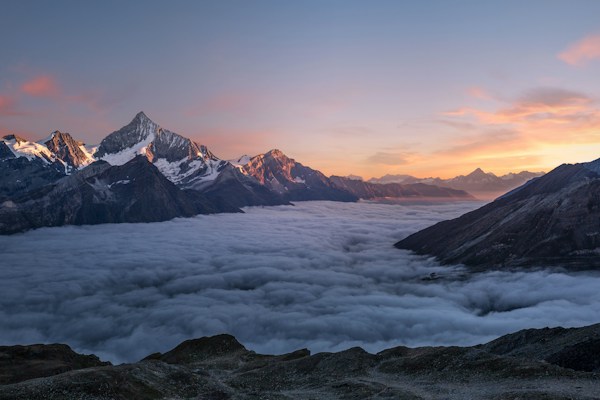
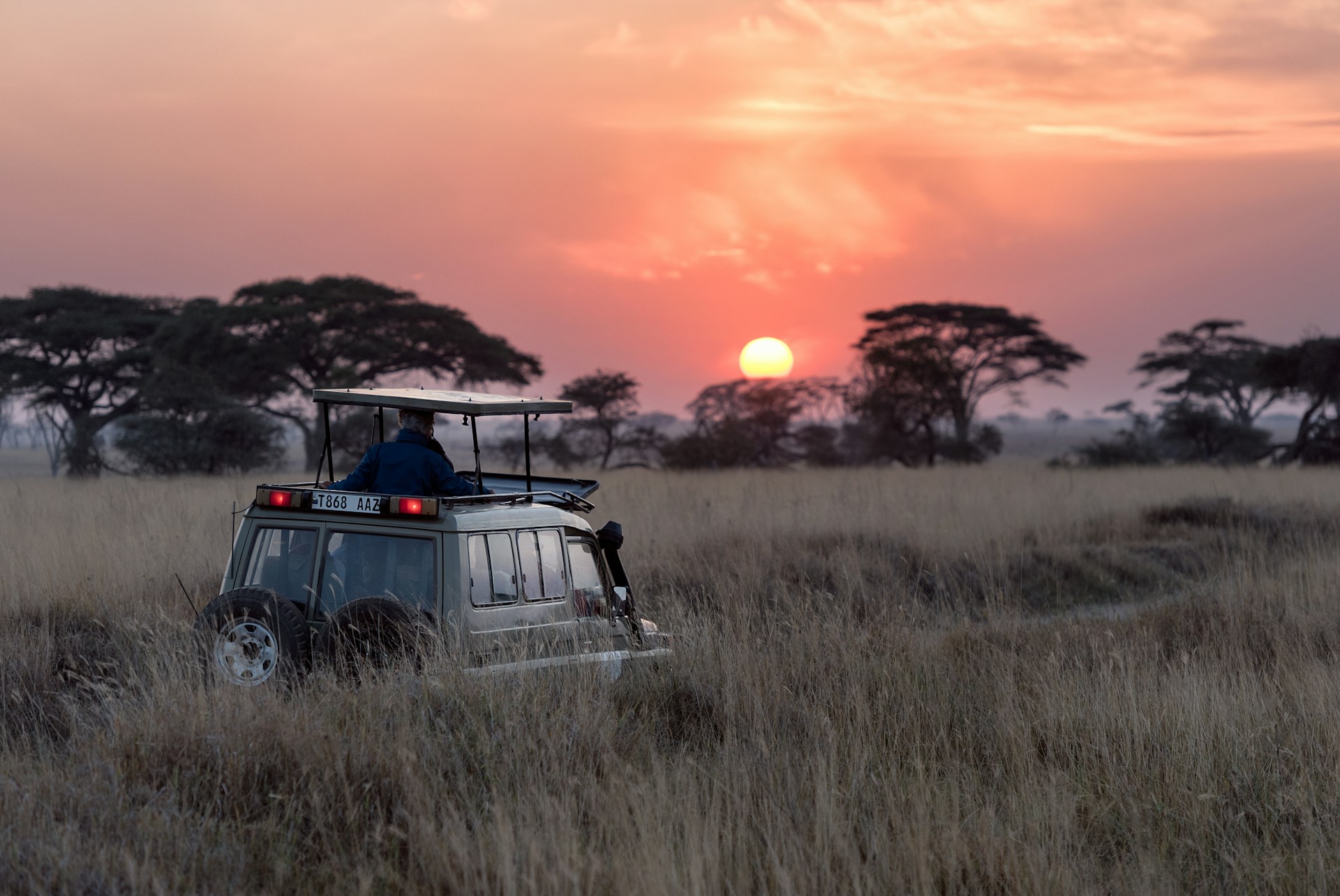
Tanzania is one of the few places on Earth where you can witness two million wildebeest thundering across golden plains in the morning and stand on the roof of Africa five days later. The Serengeti and Kilimanjaro are separated by just 300 kilometres of road, yet they offer completely different experiences — one is a wildlife spectacle, the other a physical and mental challenge. Together, they form what many consider the most complete African adventure available.
It is no coincidence that the vast majority of visitors who travel to Tanzania for a Kilimanjaro climb also book a Serengeti safari, or vice versa. Travel agencies report that roughly 70 to 80 percent of their Kilimanjaro clients add at least a three-day safari extension. The reasons go beyond simple geography. This combination works because the two experiences complement each other perfectly — the climbing days demand endurance and focus, while the safari days offer relaxation and wonder. One feeds the body, the other feeds the soul.
The Ultimate Tanzania Combo
For the perfect balance of adventure and wildlife, plan 5–7 days on Kilimanjaro followed by 3–5 days on safari. The best months for both are June through October.
The Geographic Advantage
The practical case for combining these two experiences starts with logistics. Kilimanjaro International Airport sits equidistant between Moshi — the gateway town for Kilimanjaro — and the Serengeti. From the airport, you can reach Moshi in about 45 minutes by road, or fly directly into the Serengeti in under an hour. There is no backtracking, no wasted travel days, and no complicated visa arrangements. You land in one country, and both experiences are right there.
Most itineraries follow one of two patterns. The first is climb first, safari second: you tackle Kilimanjaro while your legs are fresh, then relax on game drives as a reward. The second is safari first, safari second: you ease into Tanzania with flat, comfortable game drives before pushing yourself on the mountain. Both work well, though seasoned guides generally recommend the climb-first approach because the physical demands of Kilimanjaro are easier to handle before the fatigue of a long safari sets in.
The road between Moshi and the Serengeti passes through some of Tanzania's most scenic territory. You drive through Maasai步lands, past the Ngorongoro Conservation Area, and across the vast eastern Serengeti plains. If you choose to drive rather than fly, the journey itself becomes part of the adventure — a full-day transfer that introduces you to the landscapes and cultures you will encounter over the coming days.
Why the Combination Works So Well
🦁 Serengeti Safari
- Witness the Great Migration — two million wildebeest on the move
- See the Big Five in their natural habitat
- Relax in luxury lodges with sundowner cocktails
- Photograph dramatic landscapes and predator-prey interactions
- Learn about ecosystems from expert Maasai guides
- Evening bush dinners under the stars
🏔️ Kilimanjaro Climb
- Summit the tallest free-standing mountain in the world at 5,895m
- Traverse five distinct climate zones in days
- Experience sunrise above the clouds at Uhuru Peak
- Challenge yourself physically and mentally
- Camp in pristine wilderness with no trails or infrastructure
- Join a team of expert porters and guides
The psychological balance between the two is what makes this combination truly special. Kilimanjaro demands everything from you — early morning starts, hours of hiking through changing terrain, thin air at high altitude, and the mental fortitude to keep going when your body is screaming to stop. By the time you descend, you have earned something. The summit sunrise, the sense of accomplishment, the bonds formed with your climbing team — these stay with you forever.
Then you step into a safari vehicle, and the pace shifts completely. No alarm clocks at 4 AM. No scrambling over scree fields. Just comfortable seats, cold drinks, and the Serengeti unfolding around you. After the intensity of the climb, the safari feels like a victory lap. You are not conquering anything — you are simply observing, absorbing, and celebrating what your body just achieved.
Combining Kilimanjaro and the Serengeti is not just two trips in one — it is a complete transformation. You arrive as a tourist and leave as someone who has tested their limits and witnessed nature at its most powerful.
Ideally Timed: The Dry Season Advantage
June through October is the sweet spot for both experiences, which is rare in travel planning. During these months, Kilimanjaro enjoys its long dry season with clear skies, minimal rain, and excellent summit conditions. The same months bring the peak of the Great Migration to the northern Serengeti, where dramatic Mara River crossings draw thousands of wildebeest into the churning waters.
This alignment means you can climb Kilimanjaro in late June or July, descend, and arrive in the Serengeti just as the migration herds are crossing the Mara River. You witness two of Tanzania's greatest spectacles within a single trip, with minimal scheduling compromises.
Even outside the June–October window, the combination works. January and February offer calving season in the southern Serengeti combined with Kilimanjaro's short dry season. The shoulder months of March and May bring lower prices and fewer crowds, though weather becomes less predictable on both fronts.
A Perfect 10-Day Itinerary
Arrive in Moshi
Land at Kilimanjaro International Airport, transfer to your lodge in Moshi. Meet your climbing team for a briefing and gear check. Spend the evening acclimatizing to the altitude and exploring the town.
Kilimanjaro Climb (Lemosho Route)
Six days on the mountain, ascending through rainforest, moorland, alpine desert, and glacial zones. Summit on Day 6 via Stella Point to Uhuru Peak at 5,895 metres. Descend to Mweka Gate and transfer back to your lodge.
Rest Day in Moshi
Recover from the climb with a gentle day. Visit a local coffee farm, enjoy a massage, or simply relax by the pool. Your body will thank you.
Transfer to Serengeti
Fly or drive to the Serengeti. If driving, pass through the Ngorongoro Conservation Area with optional crater rim viewpoint stop. Arrive at your camp in time for an afternoon game drive.
Serengeti Safari
Three full days of game drives across the Serengeti plains. Morning and afternoon drives targeting the Big Five, predator-prey interactions, and migration herds. Bush breakfast, sundowner stops, and night drives in designated areas.
Ngorongoro Crater (Optional Extension)
Descend into the world's largest volcanic caldera for a half-day game drive. Black rhino, flamingo-lined lakes, and the densest wildlife concentration in Africa. Return to Arusha in the evening.
Departure
Transfer to Kilimanjaro International Airport or Julius Nyerere International Airport in Dar es Salaam for your onward flight home.
What It Costs: A Realistic Budget Breakdown
Combining Kilimanjaro and the Serengeti is an investment, but it is more affordable than most people assume — especially when you consider you are getting two world-class experiences in a single trip. Here is a realistic breakdown for a mid-range to premium itinerary:
| Component | Budget Tier | Mid-Range | Premium |
|---|---|---|---|
| Kilimanjaro climb (6–7 days) | $1,800 – $2,500 | $3,000 – $4,500 | $5,500 – $8,000 |
| Serengeti safari (3–4 days) | $1,200 – $1,800 | $2,500 – $4,000 | $5,000 – $10,000 |
| Internal flights | $250 – $350 | $300 – $450 | $400 – $600 |
| Accommodation (off-mountain) | $60 – $120/night | $150 – $300/night | $400 – $800/night |
| Tips (guides, porters, staff) | $250 – $350 | $350 – $500 | $500 – $800 |
| Total estimate (10–14 days) | $4,500 – $6,500 | $7,500 – $12,000 | $13,000 – $22,000 |
These prices are per person and assume two people travelling together. Solo travellers typically pay a supplement of 20 to 40 percent. Park fees for Kilimanjaro are fixed by the Tanzania National Parks Authority and currently total approximately $1,000 per person for a standard six-day climb. Serengeti park fees are $60 per person per day for adults, plus concession fees for overnight stays inside the park.
Expert Tips for the Perfect Combination
Book Early
The best Kilimanjaro guides and Serengeti lodges fill up months in advance during peak season (June–October). Book at least 4–6 months ahead for your preferred dates and operators.
Pack Smart
You will need cold-weather gear for Kilimanjaro's summit and light, neutral-coloured clothing for the Serengeti. Pack layers — temperatures range from -15°C at the summit to 30°C on the plains.
Health Prep
Consult a travel doctor 6–8 weeks before departure. Yellow fever vaccination may be required. Carry altitude sickness medication for Kilimanjaro and antimalarials for the safari.
Camera Gear
Bring a versatile zoom lens (24–200mm) for the Serengeti and a sturdy phone or compact camera for Kilimanjaro. Weight matters on the mountain — every gram counts at altitude.
Physical Preparation: Getting Ready for Both
Kilimanjaro is a non-technical trek — you do not need climbing experience — but it demands serious cardiovascular fitness. Most people need 8 to 12 weeks of dedicated training before their climb. Focus on cardio (running, cycling, swimming), leg strength (squats, lunges, step-ups), and endurance hiking with a loaded backpack.
The Serengeti portion requires no physical preparation beyond basic mobility. You will spend most of your time in a vehicle, with short walks around lodges and camps. However, coming off a Kilimanjaro climb, your legs will appreciate the rest. Many travellers report that the safari days feel almost meditative after the intensity of the mountain.
A good rule of thumb: if you can hike for six hours with a 10-kilogram pack on consecutive days, you are physically ready for Kilimanjaro. The altitude is the real challenge, not the distance. Training your cardiovascular system and building hiking endurance will serve you far better than gym-based strength training alone.
Choosing the Right Kilimanjaro Route
For travellers combining Kilimanjaro with a Serengeti safari, the route choice matters more than you might think. The Lemosho and Machame routes are the most popular for their scenic variety and high summit success rates (over 90 percent with experienced operators). The Northern Circuit offers the best acclimatization profile but takes nine days, which eats into your safari time.
The Rongai route on the mountain's northern side is the driest option and works well during transitional months. The Marangu route, while the cheapest and most established, has the lowest summit success rates and offers the least scenic variety.
For most travellers, the Lemosho route strikes the ideal balance: seven days on the mountain, stunning scenery from rainforest to glaciers, and a summit success rate above 90 percent. It also positions you well for a transfer to the Serengeti, as the descent route exits on the mountain's southern side — closer to the park.
Making the Most of the Serengeti
After Kilimanjaro, you will approach the Serengeti with fresh eyes and a deep appreciation for Tanzania's landscapes. The Serengeti ecosystem covers 15,000 square kilometres of grasslands, woodlands, rivers, and kopjes. It is home to approximately 70 large mammal species and over 500 bird species.
The key to a great Serengeti safari is time. Three days is the minimum to experience the park's diversity. Five days allows you to explore different regions — the central Seronera area for big cats, the western corridor for Grumeti River crossings, and the northern Lobo area for migration herds during dry months.
Ask your operator about balloon safaris, walking safaris, and night drives. These premium experiences transform a standard game drive into something extraordinary. A hot air balloon ride over the Serengeti at dawn, floating above herds of wildebeest and zebra as the sun rises over the horizon, is one of the most unforgettable experiences in African travel.
The Serengeti is not just a place — it is a living, breathing ecosystem that has been evolving for millions of years. Every game drive reveals something new, something ancient, something that reminds you how small we are in the grand scheme of things.
Common Questions About Combining Both
Ready to Experience Both?
Our team at Bush Lion Tours has helped thousands of travellers combine Kilimanjaro and the Serengeti into one seamless adventure. Let us design the perfect itinerary for you.