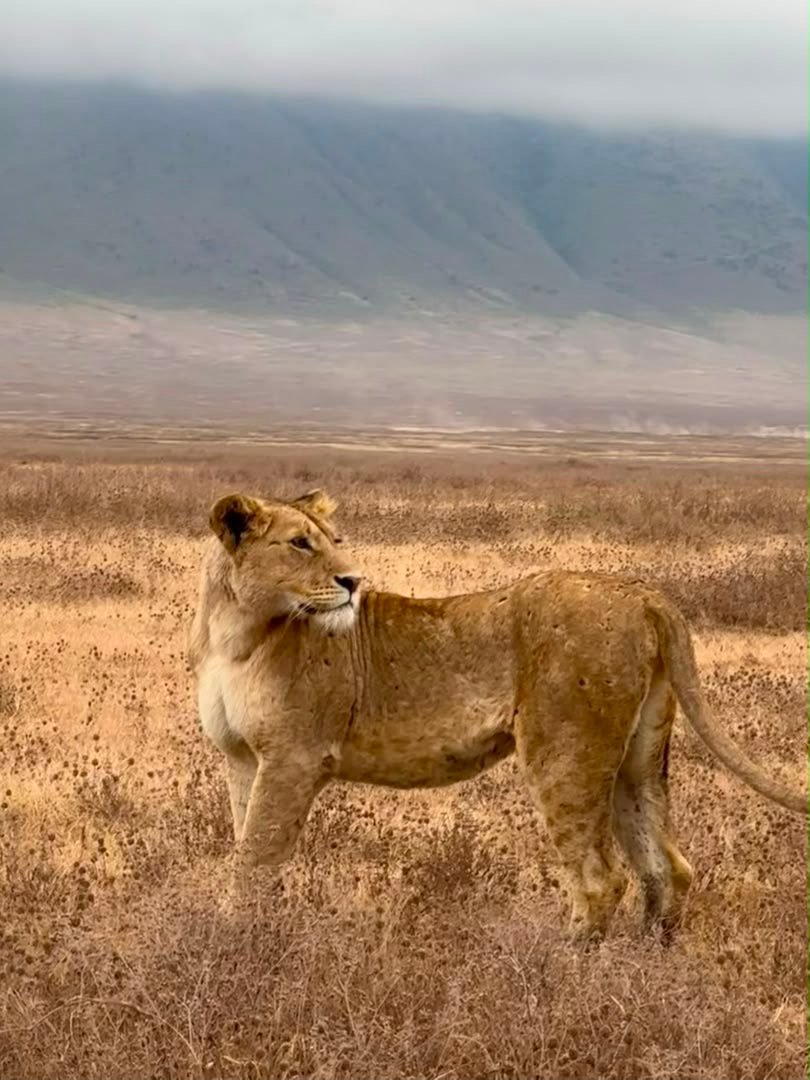
Lion
Search for prides on the Serengeti plains and around rocky kopjes where lions rest and watch the herds.

Legendary wildlife
Witness Africa’s most iconic wildlife — lion, leopard, elephant, buffalo, and rhino — across the Serengeti, Ngorongoro Crater, and Tarangire. Guided by expert local trackers, every game drive brings you closer to the animals that define the African safari dream.
Private vehicles Expert guides Big Five focused
Africa's greatest animals
Experience the timeless magic of Africa, where legendary wildlife meets world-class comfort. From the endless plains of the Serengeti to the breathtaking Ngorongoro Crater, you can encounter all five iconic species — lion, leopard, elephant, buffalo, and rhino — in one unforgettable journey.
At Bush Lion Tours, we transform wildlife viewing into an authentic safari experience. Enjoy private vehicles, hand-picked lodges, and tailor-made itineraries designed for travelers who value real encounters and lifelong memories.
Our guides are trained trackers who know the bush intimately. They know where lions prefer to rest, which trees leopards use, where elephant herds move at dusk, and how to approach rhino sightings respectfully and safely.
The animals
Six reasons travelers keep searching for the Big Five — and how we make each sighting count.
Search for prides on the Serengeti plains and around rocky kopjes where lions rest and watch the herds.
Scan acacia trees and riverine thickets for leopards draped on branches, especially at dawn and dusk.
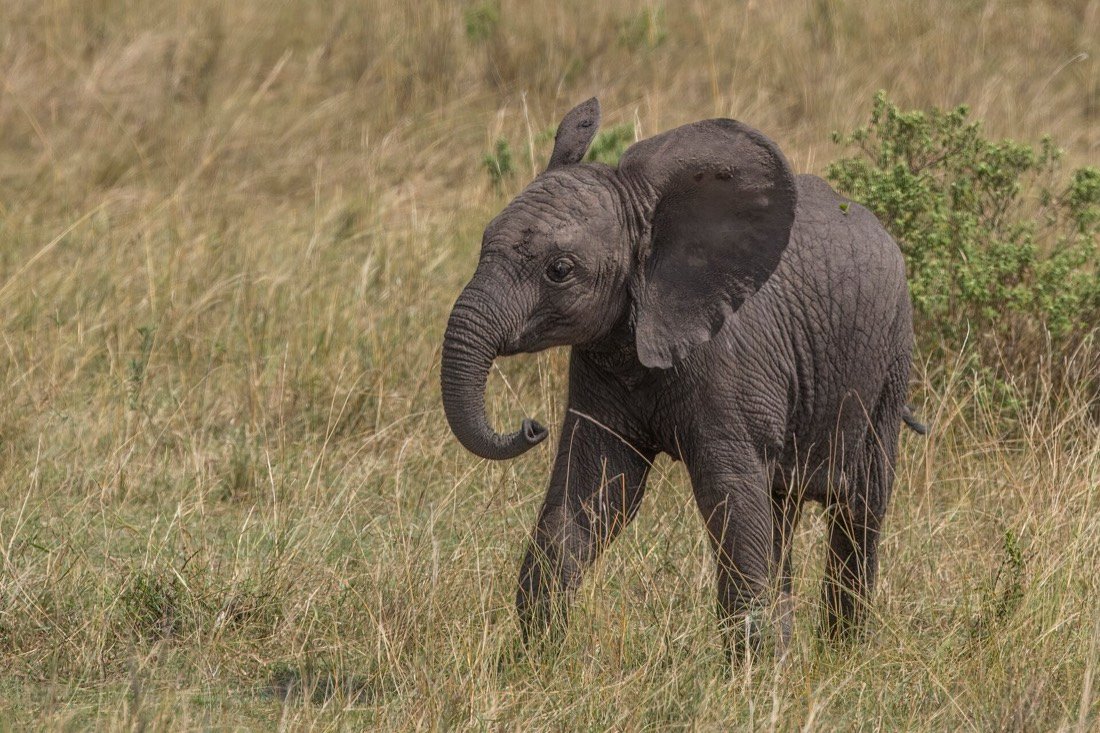
Watch large family groups in Tarangire and Ngorongoro, often moving slowly across open grassland.
Find herds of Cape buffalo on the crater floor and in wetlands, one of the most imposing Big Five animals.
Ngorongoro Crater offers one of East Africa’s best chances to see endangered black rhino in the wild.
Our guides know where each species prefers to be at different times of day, season, and weather.
Where to find them
Three iconic Tanzanian parks that together offer an outstanding chance of seeing all five species.
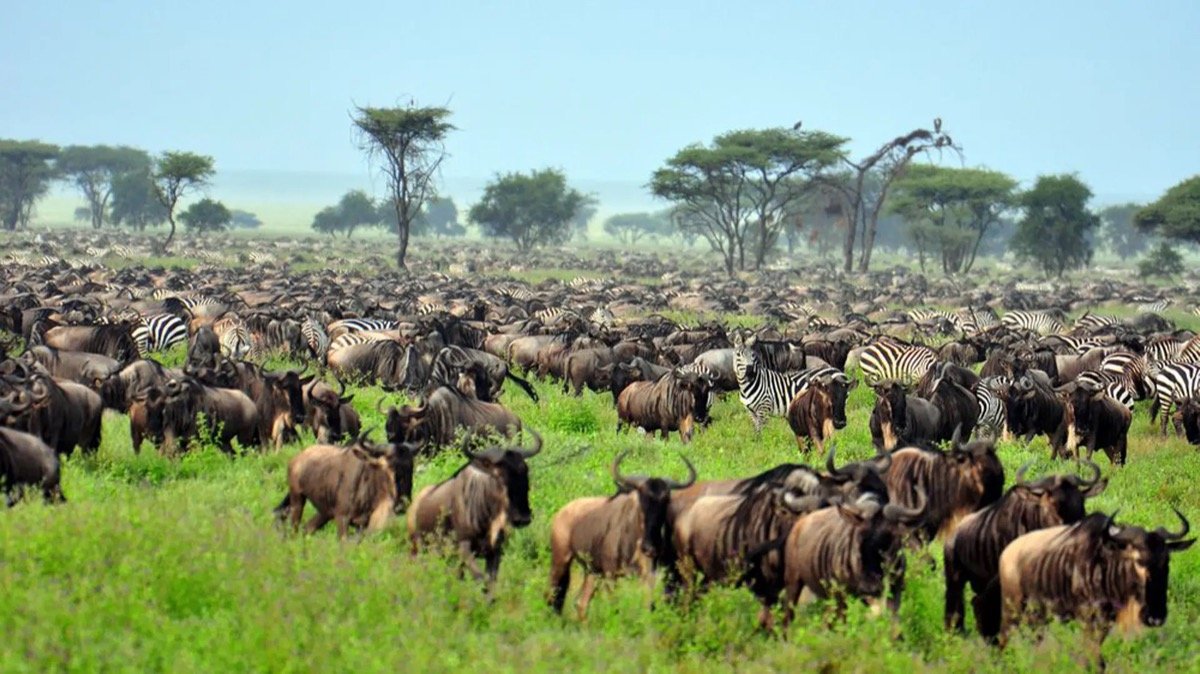
Vast plains and predator-rich landscapes make the Serengeti one of the best places to find lion, leopard, and elephant.
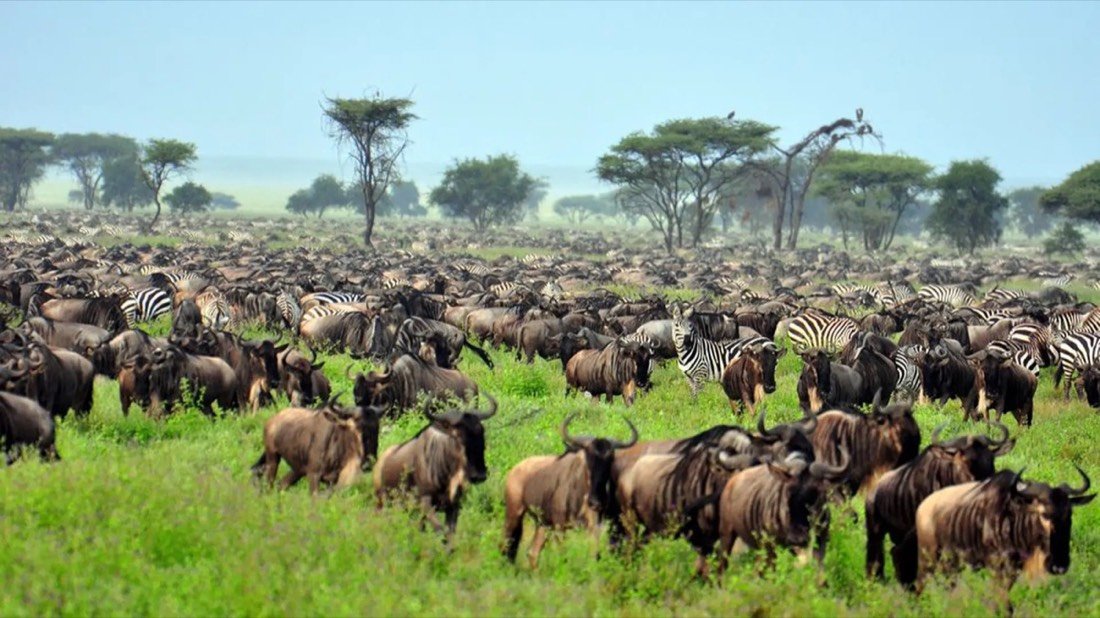
The crater floor supports one of Africa’s densest wildlife populations and one of the best chances to see all five in a day.
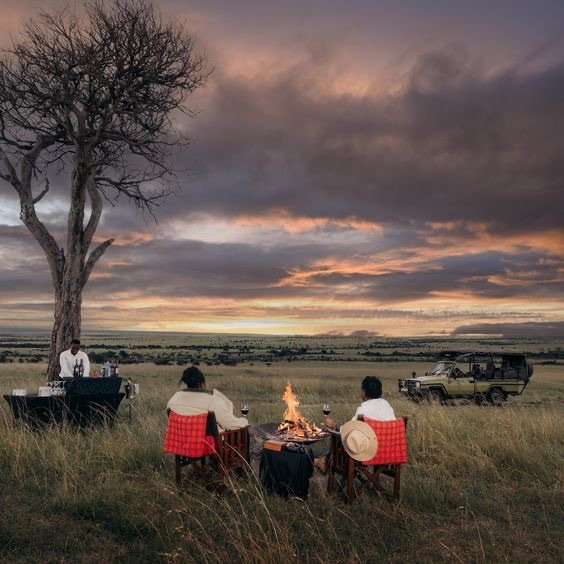
Famous for elephant herds, Tarangire also holds healthy populations of lion, leopard, and buffalo.
Inspired itineraries
Bush Lion Tours itineraries built around Tanzania’s best Big Five destinations.
 Mid range
The 3 Days Quick Big Five Safari is our most popular short safari for travellers who want a genuine Big Five experience without committing to a full-week itinerary. In…
From $1,050 per person
 Mid range
The 4 Days Classic Big Five Safari is the ultimate short-break wildlife adventure in northern Tanzania. In just four days you visit three of the country's most iconic …
From $1,390 per person
 Mid range
The 5 Days Serengeti Big Five Adventure is the perfect introduction to Tanzania's world-famous wildlife circuit. In just five days, you will explore three of the most …
From $1,990 per person
 Luxury
A luxury lodge safari through three of Tanzania's most iconic wilderness areas — the elephant-dotted baobab landscapes of Tarangire National Park, the endless predator…
From $2,690 per person
When to travel
Tanzania is a year-round safari destination, but the best time for wildlife viewing is during the dry season from June to October, especially for the wildebeest migration. Below is a simple month-by-month guide to help you choose the best time to visit.
January marks the beginning of Tanzania’s short dry season, with occasional afternoon showers that quickly clear. It is an excellent time to travel thanks to high lodge availability and lower rates across most regions. This is also the peak of the Great Migration calving season in the southern Serengeti, where thousands of wildebeest give birth, attracting intense predator activity and offering dramatic wildlife encounters.
February in Tanzania is hot and mostly dry, making it a good time to visit with fewer crowds and lower rates across many destinations. It is the peak of the wildebeest calving season in the southern Serengeti, bringing strong predator activity and excellent wildlife viewing.
March in Tanzania marks the beginning of the long rains and is one of the wettest months of the year. Tropical afternoon downpours are common, but they often come and go quickly. With fewer travelers during this time, many camps and lodges offer excellent value for money.
April is the peak of the wet season in Tanzania, as the long rains fully set in with frequent and heavy downpours. Travel during this time comes with significant cost advantages, as many properties reduce their rates. However, accessibility can be limited, especially in southern and western parks where many camps close due to road conditions.
May in Tanzania marks the final stretch of the long rains, with conditions gradually drying toward the end of the month. It is one of the best times to witness the Great Migration as the massive herds move north in search of fresh grazing.
June in Tanzania marks the start of the dry season, bringing clear skies, warm daytime sunshine, and cooler mornings and evenings. It is one of the best times for safaris, as wildlife becomes easier to spot with thinning vegetation and animals gathering around remaining water sources.
July is one of the best times to visit Tanzania, falling in the middle of the dry, peak season with consistently warm weather and outstanding wildlife viewing. It is a prime safari month, with the Serengeti’s Great Migration crossing rivers, along with excellent sightings of elephants in Tarangire.
August is widely considered the best month to visit Tanzania, offering peak safari conditions with dry, warm days and cool, comfortable nights. It is one of the ultimate times for wildlife viewing, as animals gather around limited water sources, creating consistent and rewarding game encounters across the parks.
September marks the end of the dry season in Tanzania, bringing some of the highest concentrations of wildlife around limited water sources. It is a rewarding time for safaris, as the Great Migration herds begin moving back south from Kenya, often resulting in dramatic river crossing sightings.
October is one of the best months to visit Tanzania, with peak safari conditions still in full effect across the main parks. Availability is limited and rates remain high, so early booking is essential. Early October still offers chances to see the Great Migration mega-herds spread across the northern Serengeti before they move further south.
November marks the beginning of Tanzania’s short rainy season, with most rainfall occurring overnight or in short bursts during the day. Tourist numbers drop significantly, making it a quieter time to visit, with good availability and more affordable rates across many properties.
December is a beautiful transition month in Tanzania, marking the start of the “emerald” season as the landscapes turn greener and more vibrant each day. Large wildebeest herds gather across the Serengeti plains in preparation for the upcoming calving season, creating excellent wildlife viewing opportunities.
The Bush Lion Tours difference
We believe a Big Five safari should be more than a checklist. Every journey is carefully designed with attention to detail, from park selection to guide pairing and lodge choice.
We choose parks and sectors that maximize your chances of seeing all five species.
Private vehicles and patient guides give you time to wait for the right sightings.
We plan around seasons, recent wildlife movements, and local knowledge.
Every itinerary is built around your travel dates, party size, and pace.
How booking works
Booking your Big Five safari with Bush Lion Tours is simple and stress-free. Our team takes care of every detail so you can focus on the wildlife.
Explore our Big Five itineraries and select the one that fits your time and interests.
Contact us with your dates and we will recommend the best parks for the Big Five.
We refine the route, lodges, and game-drive timing, then confirm your booking.
Arrive and enjoy a seamless, well-organized Big Five safari from start to finish.
Questions travelers ask
Honest answers — where something depends on season, park, or luck, we say so.
The Big Five are lion, leopard, elephant, Cape buffalo, and rhino. The term comes from old hunting terminology, but today it refers to the five most sought-after animals to see on safari.
Yes. A well-planned Northern Circuit itinerary that includes the Serengeti, Ngorongoro Crater, and Tarangire gives you an excellent chance of seeing all five during one safari.
Ngorongoro Crater is the most reliable place in Tanzania to see black rhino. A small population lives on the crater floor and is protected around the clock.
A focused Big Five safari can be done in three to four days if you concentrate on Ngorongoro Crater and nearby parks. Five to seven days gives you a fuller experience across the Serengeti, Tarangire, and Lake Manyara as well.
The dry season from June to October offers the best general wildlife viewing. The green months from November to March are quieter and excellent for photography, with predator action around the calving season.
Use the Trip Planner or contact us with your travel dates, party size, and any species or parks you particularly want to focus on. We will send a written itinerary, lodge proposal, and price with no obligation.
Next step
Tell us when you would like to travel and what you hope to see. Our local team will build a Big Five safari around the best parks, guides, and lodges for your dates.
+255 783 884 129 info@bushliontours.com Call our Moshi office
Photography: Bush Lion Tours archive · Big Five and wildlife images by Charles J. Sharp, licensed CC BY-SA 4.0.