A Tanzania safari is one of the safest and most comfortable adventure holidays you can take. The country is politically stable, the tourism infrastructure is well established, and operators like Bush Lion Tours prioritise your safety at every step. That said, a few health precautions and common-sense practices will ensure your trip goes smoothly from start to finish.
Malaria Prevention
Malaria exists in Tanzania and prevention is essential. The risk is present in all safari areas, including Arusha, the Serengeti, Ngorongoro, and the coast. Take prevention seriously — it is straightforward and effective.
Anti-Malaria Medication
Consult a travel clinic six to eight weeks before departure to discuss prophylaxis options. The most commonly recommended medications for Tanzania are Malarone (atovaquone-proguanil), Doxycycline, and Mefloquine. Malarone is generally the best tolerated with the fewest side effects. Start your medication as directed — usually one to two days before entering a malaria zone, daily during your trip, and for seven to 28 days after leaving depending on the medication.
Mosquito Repellent
Use a DEET-based repellent (30% to 50% concentration) on exposed skin, especially during dusk and dawn when mosquitoes are most active. Apply it after sunscreen. Reapply as directed on the product label. Natural alternatives like citronella are less effective and not recommended as your primary protection.
Clothing and Bed Nets
Wear long sleeves and trousers in the evening when mosquitoes are active. Most safari lodges provide mosquito nets over beds and insect screens on windows. Use them. Check that your net has no holes and tuck it under the mattress. Some lodges spray rooms with insecticide before evening — this adds an extra layer of protection.
Vaccinations
Vaccination requirements for Tanzania are straightforward, but requirements vary depending on where you have been in the 14 days before arrival.
Yellow Fever (Required)
A yellow fever vaccination certificate is required if you are arriving from a country with risk of yellow fever transmission. This includes most of sub-Saharan Africa and parts of South America. If you are flying directly from Europe, North America, or Asia to Tanzania, a certificate is technically not required — but getting vaccinated is still recommended as a precaution and because it provides lifetime protection.
Recommended Vaccinations
- Hepatitis A: Recommended for all travellers. Transmitted through contaminated food and water.
- Hepatitis B: Recommended if you might be exposed through medical treatment or personal contact.
- Typhoid: Recommended, especially if visiting smaller cities or rural areas where food hygiene may vary.
- Cholera: Not routinely required but recommended for travellers visiting remote areas during outbreaks.
- Rabies: Consider if you will be in contact with animals or visiting remote areas far from medical facilities.
- Tetanus and Diphtheria: Ensure your routine vaccinations are up to date.
Consult a travel medicine specialist six to eight weeks before departure. They will assess your personal health history and itinerary to recommend the appropriate vaccinations.
Wildlife Safety
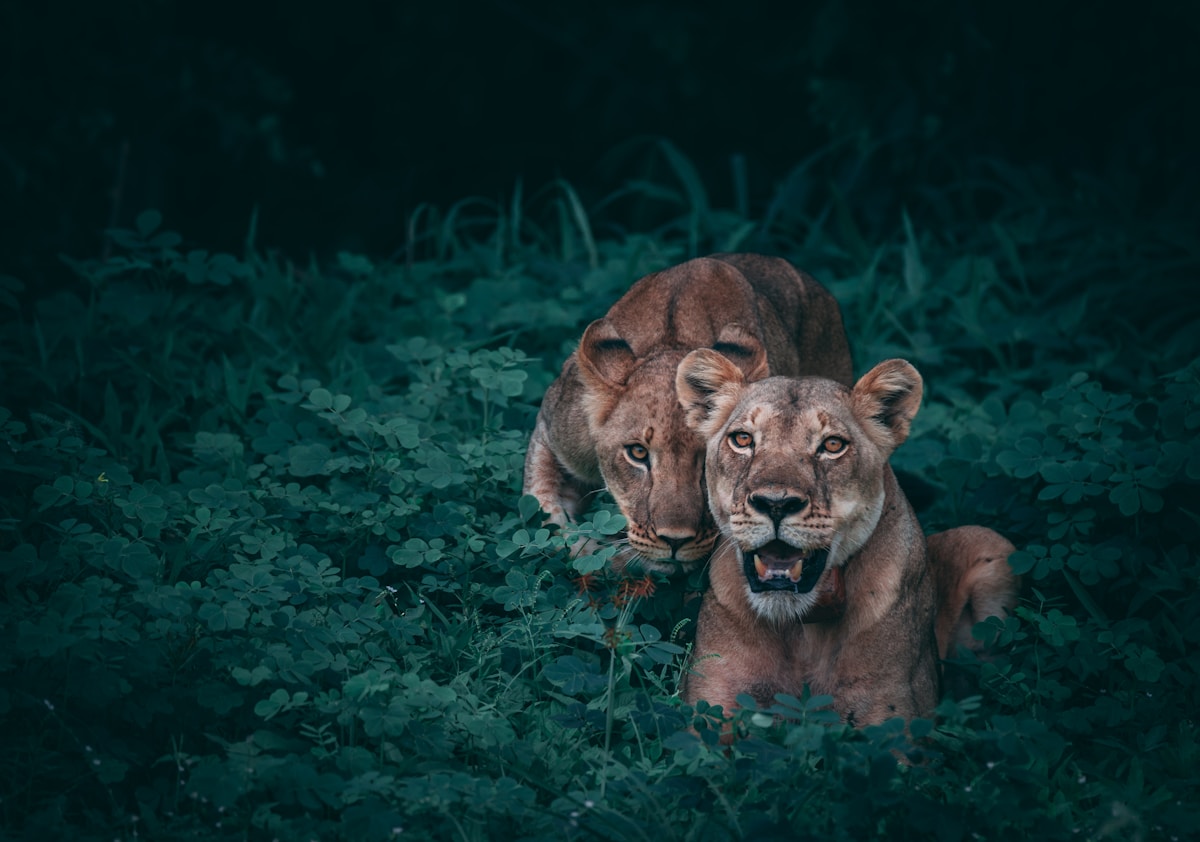
Safari is safe when you follow a few essential rules. The animals are wild and unpredictable, and respecting their space is the most important safety practice.
Vehicle Rules
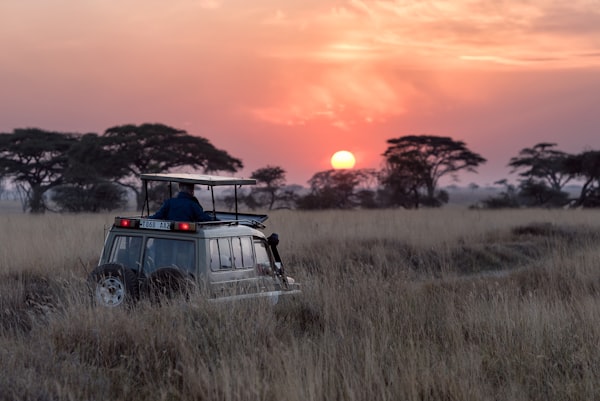
Never leave the vehicle during game drives in national parks unless at a designated picnic site or rest area. Animals do not distinguish between a vehicle and a person standing next to it — the vehicle is your protection. Keep arms and heads inside the vehicle when animals are close. Listen to your guide at all times. They read animal behaviour and know when it is safe to approach and when to maintain distance.
On Foot
Walking safaris outside national parks are safe with a qualified armed guide. Inside parks, walking is generally not permitted except in specific conservancy areas. If you are staying at a lodge outside a park, ask about walking options — guided walks with an armed ranger are a wonderful way to experience the bush on foot.
Camp Safety
If staying in tented camps, keep tent zipped at all times to prevent insects and small animals from entering. Do not leave food in your tent. Use a torch when walking to your room at night — most lodges provide flashlights or lanterns. Walk with an escort after dark if your room is not adjacent to the main area.
Your guide is your best safety resource on safari. They are trained to read animal behaviour, manage distance, and keep you safe in every situation. Trust their judgment and follow their instructions without question.
Travel Insurance
Comprehensive travel insurance is not optional for a Tanzania safari. It is essential. Your policy should cover:
- Medical expenses: Hospital stays, medication, and consultation fees in Tanzania.
- Medical evacuation: Emergency air evacuation from remote safari areas to a major hospital. This is the single most important coverage — evacuation from deep in the Serengeti or Ngorongoro can cost tens of thousands of dollars without insurance.
- Trip cancellation and interruption: Coverage if you need to cancel or cut short your trip due to illness, injury, or other covered reasons.
- Safari activities: Confirm your policy covers 4x4 game drives and any optional activities like walking safaris or balloon rides.
Purchase your policy within 14 to 21 days of your first trip deposit for maximum coverage. Carry a printed copy of your policy and the emergency assistance phone number with you at all times.
Food and Water Safety
Food and water quality at established safari lodges and hotels is generally excellent. Stick to these guidelines:
- Drink bottled or purified water only. All safari lodges provide bottled water — use it for drinking and brushing teeth.
- Avoid ice in drinks unless you are confident it is made from purified water.
- Eat freshly cooked food while it is hot. Avoid buffets that have been sitting out.
- Wash hands before eating. Carry hand sanitiser for use between washes.
- Avoid raw salads and uncooked vegetables at smaller restaurants outside tourist areas.
Most stomach issues on safari are mild and resolve quickly. Pack rehydration salts and basic medication like loperamide for traveller's diarrhoea. If symptoms persist for more than 48 hours or include high fever, seek medical attention.
Emergency Contacts
Before departing, save these numbers in your phone and share them with someone at home:
- Bush Lion Tours emergency line: Provided in your pre-departure pack
- Tanzania emergency services: 112 (general), 114 (ambulance)
- Your country's embassy in Dar es Salaam: Look up before departure
- Travel insurance emergency number: Keep this accessible at all times
Your Safety Is Our Priority
Every Bush Lion Tours safari includes comprehensive safety briefing, 24/7 emergency support, and guides trained in first aid and wildlife safety. We carry first aid kits, satellite communication devices, and emergency evacuation protocols on every trip. Your safety allows you to focus on what matters — enjoying the experience of a lifetime.
With proper preparation, a Tanzania safari is both safe and comfortable. The key is early planning — vaccinations, insurance, and medication all need to be arranged weeks before departure. Take care of these details and you can relax knowing you are fully prepared for an extraordinary adventure.