Taking your children on safari is one of the most rewarding family holidays you will ever plan. Watching a child's face when they see their first elephant, hearing them whisper as a lion walks past the vehicle, or watching them light up during a bush walk with a guide — these are moments that stay with your family forever. But planning a family safari requires some extra thought. This guide covers everything parents need to know.
Minimum Age Requirements
Most safari lodges and camps in Tanzania accept children from age six, though some luxury properties require a minimum age of eight or even twelve. Budget and mid-range lodges tend to be more flexible with younger children. Always check the age policy before booking, as it varies between properties and operators.
Children under six are generally not permitted on game drives in national parks due to safety regulations. Some lodges offer babysitting services so parents can still enjoy drives while younger children stay behind with a carer. This is worth confirming at the time of booking.
Best Parks for Family Safaris
Not all parks are equally suited to families with children. The best family parks combine accessible game drives, varied wildlife, and activities that keep younger travellers engaged.
Lake Manyara National Park
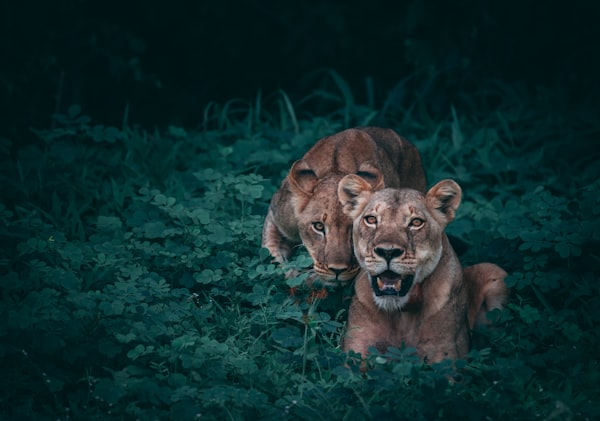
Lake Manyara is compact and easy to navigate, making it ideal for shorter attention spans. The park is famous for its tree-climbing lions, large elephant herds, and flocks of flamingos along the lakeshore. Game drives here rarely exceed three hours, which suits families with younger children. The park also offers guided nature walks and cycling outside the park boundaries.
Tarangire National Park
Tarangire's giant baobab trees and massive elephant herds captivate children. The park's landscapes feel like something out of a storybook, and the concentration of wildlife along the Tarangire River keeps drives exciting. Families with older children can arrange walking safaris and visits to Maasai communities nearby.
Serengeti National Park
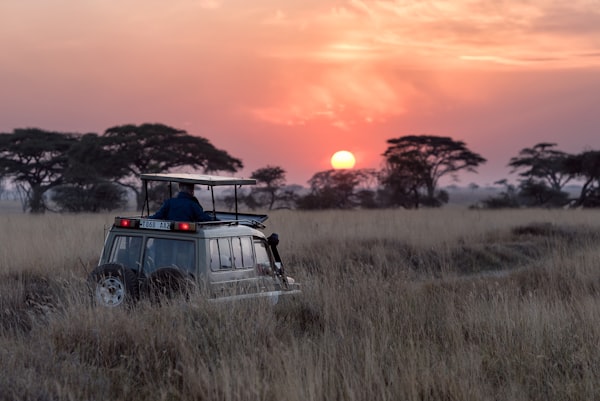
The Serengeti is a bucket-list destination for families with children aged eight and above. The sheer scale of the plains, the drama of a lion hunt, and the spectacle of the Great Migration are experiences that shape young minds. Longer game drives are necessary here, so it works best with older children who can handle full days in the vehicle.
Ngorongoro Crater
The crater offers one of the densest concentrations of wildlife in Africa within a compact, bowl-shaped setting. Children love the descent into the crater and the feeling of being inside an ancient volcano. Big Five sightings are common, and the scenery is dramatic enough to hold even a teenager's attention.
Family-Friendly Lodges
The right lodge makes all the difference on a family safari. Look for properties that offer family rooms or interconnecting tents, child-specific meals, and activities designed for younger guests. Many mid-range and luxury lodges now provide dedicated family units with extra space, private guides, and flexible meal times.
Some lodges employ junior ranger programmes where children learn to identify animal tracks, spot birds, and understand bush survival skills. These guided activities keep kids engaged between game drives and give them a sense of ownership over the experience. Ask us about family-specific properties when planning your trip.
Game Drive Tips for Kids
A few practical tips can make game drives significantly more enjoyable for the whole family:
- Pack snacks and activities. Bring colouring books, card games, and favourite snacks for the vehicle. Long drives between sightings need entertainment.
- Keep drives short. For children under eight, aim for three to four hour drives max. Plan drives around morning and late afternoon when animals are most active.
- Bring binoculars. Child-sized binoculars let kids see animals up close and keep them engaged during quieter moments.
- Make it a game. Challenge children to spot the most animals, find specific birds, or photograph zebras. A checklist with pictures works well for younger children.
- Explain the rules. Before the drive, talk about staying quiet near animals, keeping arms inside the vehicle, and listening to the guide.
Safety Considerations
Safari is remarkably safe for families when you follow a few essential guidelines. Always stay inside the vehicle during game drives — your guide will brief you on this. Never approach animals on foot without a qualified armed guide. Use sunscreen and hats even on cloudy days, as the equatorial sun is strong. Keep hydrated with plenty of water throughout the day.
Malaria prevention is important for children. Consult a travel clinic well before departure to discuss appropriate prophylaxis for your children's ages. Pack insect repellent and long-sleeved clothing for evening use. Most family lodges provide mosquito nets and have screened rooms.
Travel insurance is essential. Ensure your policy covers all family members, including medical evacuation from remote areas. We recommend policies that specifically cover safari activities and minors travelling with parents.
Educational Value
A family safari is not just a holiday — it is an education. Children learn about ecosystems, conservation, and cultural diversity in a way no classroom can match. Many lodges offer educational talks, guided bush walks, and opportunities to visit local schools or Maasai communities. These experiences teach children about the world beyond their everyday lives and foster a respect for nature that lasts a lifetime.
Seeing a child watch an elephant family interact, or hearing them ask thoughtful questions about conservation, reminds you why these experiences matter. Safari changes how children see the world.
Sample Family Itinerary: 7 Days
Here is a sample family-friendly itinerary that balances adventure with comfort:
- Day 1: Arrive in Arusha. Transfer to a family lodge. Relax and adjust.
- Day 2: Lake Manyara National Park. Short morning game drive. Afternoon at the lodge pool.
- Day 3: Tarangire National Park. Full morning game drive with elephant and baobab viewing. Afternoon nature walk outside the park.
- Day 4: Drive to Karatu. Visit a local school or coffee farm. Afternoon rest.
- Day 5: Ngorongoro Crater. Full-day game drive with picnic lunch on the crater floor.
- Day 6: Optional walking safari in the Ngorongoro Conservation Area or second crater visit. Afternoon return to Arusha.
- Day 7: Departure or onward travel to Kilimanjaro or the coast.
Why Families Choose Bush Lion Tours
We specialise in private, flexible safaris that adapt to your family's pace. Our guides are experienced with children and know how to make every game drive fun and educational. We handle the logistics — car seats, special meals, interconnecting rooms — so you can focus on making memories together.
A family safari in Tanzania is an investment in your children's understanding of the world. The combination of extraordinary wildlife, warm hospitality, and meaningful cultural experiences makes it one of the best family holidays available anywhere. Start planning early, choose the right operator, and prepare for the trip of a lifetime.