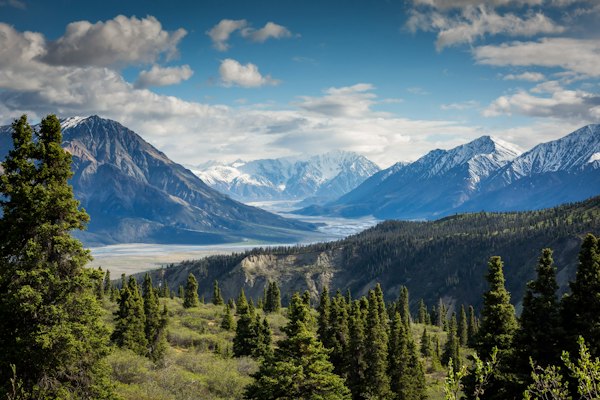

The Rongai Route is Kilimanjaro's only approach from the north, starting close to the Kenyan border and climbing through some of the mountain's quietest and driest terrain. While most climbers choose the more popular southern and western routes, Rongai offers a genuinely different experience — fewer people, drier conditions, and sweeping views across the Kenyan plains.
If you value solitude and want to avoid the crowds that pack routes like Machame and Marangu, the Rongai Route deserves serious consideration. This guide covers everything you need to know, from day-by-day itinerary to success rates and what makes this route unique.
Why Choose the Rongai Route?
Rongai is the only Kilimanjaro route that approaches from the north. The trail begins near the town of Nalembu, close to the Tanzania-Kenya border, and climbs steadily through montane forest, moorland, and alpine desert before reaching the summit. Because it sits in Kilimanjaro's rain shadow, the Rongai Route receives significantly less rainfall than the southern and western approaches. This makes it an excellent choice during the wetter months of March to May, and a reliably dry option year-round.
The route also passes through some of the most unspoiled wilderness on the mountain. The lower sections wind through dense pine forest alive with birdsong, while the upper reaches offer wide-open moorland with views stretching into Kenya. You might spot buffalo, bushbuck, and even elephant in the forest zones — wildlife sightings are more common here than on busier routes.
Who Is the Rongai Route Best For?
The Rongai Route is ideal for experienced trekkers who want a quieter, drier climb with a different perspective on Kilimanjaro. It is also an excellent choice for those who want to combine their climb with a safari in Kenya's Amboseli or Tsavo National Parks, since the route starts close to the border. If you are climbing during the wet season (March to May), Rongai is arguably the best option on the mountain due to its rain shadow position.
Day-by-Day Itinerary
You drive from Moshi to the Nalembu Gate on Kilimanjaro's northern side, close to the Kenyan border. The first day's hike is gentle, winding through lush rainforest and pineapple plantations. The trail is wide and well-maintained, making for an easy start. You reach Simba Camp in the late afternoon with plenty of time to settle in and enjoy the forest sounds.
You leave the forest behind and climb into open moorland. The terrain is dry and rocky, with views opening up to the north across the Kenyan savannah. The vegetation thins as you gain altitude, replaced by giant heather and lobelia plants. Third Cave Camp sits on a flat area with good views of Mawenzi Peak.
The trail continues through alpine desert, a stark and beautiful landscape of volcanic rock and sparse vegetation. This is where the altitude starts to make itself felt. The pace is slow and steady, with regular breaks for water and rest. Kibo Hut is a basic stone shelter at the base of the summit cone, and this is where you rest before the midnight summit attempt.
You wake at midnight and begin the steep climb to the summit. The trail is rocky and exposed, with no shelter from the cold and wind. You reach Gillman's Point on the crater rim at dawn, then continue along the crater edge to Uhuru Peak, the highest point in Africa. After photos and celebrations, you descend to Horombo Hut on the Marangu Route for the night.
The final day is a long descent through moorland and rainforest to the Marangu Gate. You meet your driver and transfer back to Moshi, arriving by mid-afternoon. The contrast between the barren summit zone and the lush forest below is striking, and the descent gives you time to reflect on what you have accomplished.
Ready to Climb Kilimanjaro via the Rongai Route?
Get a personalised itinerary, transparent pricing, and expert advice from our team of experienced Kilimanjaro guides. No hidden fees.
Success Rate
The Rongai Route has a summit success rate of approximately 78 to 85 percent. This is slightly lower than the Northern Circuit's 97 percent, but it is comparable to most other routes on the mountain. The lower success rate is partly because many climbers choose the shorter 6-day itinerary, which allows less time for acclimatization. The 7-day version, which includes an extra acclimatization day, pushes the success rate closer to 85 percent.
Factors that contribute to success on the Rongai Route include the gradual ascent profile and the relatively dry conditions, which reduce the physical stress of climbing in rain and mud. The quieter trails also mean less competition for camp space and a more relaxed pace overall.
Scenery and Wildlife
The Rongai Route passes through four distinct ecological zones. The lower sections are dense pine and cedar forest, home to colobus monkeys, blue monkeys, and a variety of bird species including turacos and sunbirds. As you climb higher, the forest gives way to moorland dominated by giant heather, groundsel, and lobelia — plants found only in East African high-altitude environments.
The upper sections are stark alpine desert, where the landscape becomes volcanic and barren. The views from this zone are exceptional, with Mawenzi Peak dominating the skyline to the west and the Kenyan savannah stretching away to the north. On clear mornings, you can see for hundreds of kilometres.
The final approach to the summit passes through the glacial zone, where ice fields and volcanic scree create an otherworldly landscape. The sunrise from the crater rim is one of the most spectacular sights on the mountain, with golden light flooding across the African plains below.
Pros and Cons
- Driest route on the mountain — ideal for wet-season climbs
- Quietest route with fewer crowds at camps
- Unique northern perspective of the mountain
- Wildlife sightings more common in forest zones
- Good for combining with a Kenya safari
- Lower sections are less scenic than western routes
- Longer transfer from Moshi compared to Marangu
- Less varied scenery on the lower days
- Fewer camp facilities than Marangu or Machame
- Requires a special Northern Circuit park fee
Best Time to Climb
The Rongai Route can be climbed year-round, but the driest and most comfortable conditions occur from June to October and again from January to February. During these periods, you can expect clear skies, dry trails, and good visibility throughout the climb.
The route is also a solid choice during the wet season months of March to May, when other routes become muddy and slippery. The rain shadow effect means Rongai receives significantly less rainfall during this period, making it one of the few routes that remains comfortable during the long rains.
Practical Tips
Bring plenty of warm layers for the summit push, which starts at midnight and can reach temperatures as low as -15°C. The descent is fast, so trekking poles are recommended to protect your knees. Waterproof gear is essential even on this drier route, as weather can change quickly at altitude.
The 7-day itinerary is strongly recommended over the 6-day version. The extra acclimatization day significantly improves your chances of reaching the summit and makes the overall experience more enjoyable. Budget for the additional cost if you are considering the shorter option.
Choose a reputable operator like Bush Lion Tours that follows ethical climbing practices and treats porters fairly. Ask about their Rongai Route experience, guide-to-climber ratios, and what is included in the price before booking.
Why Book With Bush Lion Tours?
We are a 100% Tanzanian-owned operator based in Moshi, at the foot of Kilimanjaro. Our guides have collectively led over 2,000 successful summits. We provide fair porter wages, comprehensive summit kits, emergency oxygen, and 24/7 satellite communication on every climb. Your safety and experience are our only priorities.