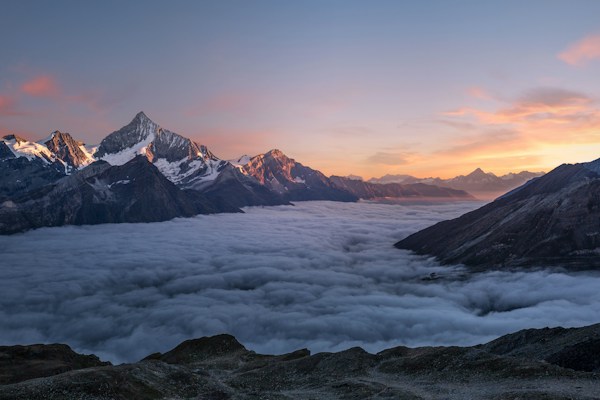
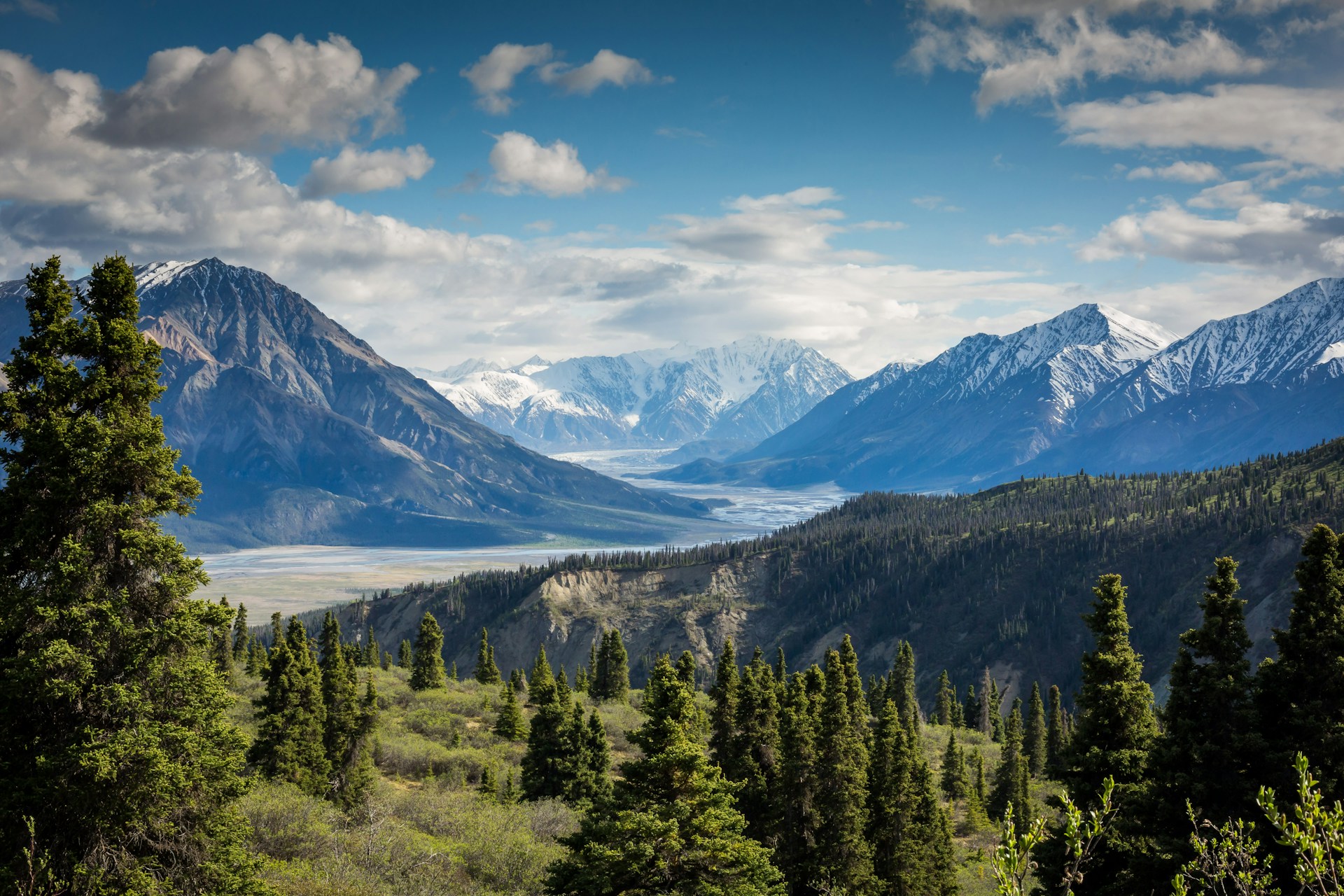
The Northern Circuit is Kilimanjaro's longest route and the one with the highest summit success rate. It takes nine days to complete, circumnavigating the entire mountain in a full 360-degree loop around Kibo Peak. This is the only route that traverses Kilimanjaro's remote northern flank, where you are unlikely to see other groups for days at a time.
If you want the best possible chance of reaching the summit and are willing to invest the time, the Northern Circuit is hard to beat. The combination of a gradual ascent profile, maximum acclimatization time, and remote wilderness makes this the gold standard for Kilimanjaro trekking.
Why the Northern Circuit Stands Out
The Northern Circuit's defining feature is its length. At nine days, it gives your body more time to adjust to the altitude than any other route on the mountain. The ascent profile is carefully designed, with daily gains of no more than 400 to 500 metres in sleeping altitude, which is well within the recommended range for acclimatization.
The route also covers the most ground of any Kilimanjaro approach. You start on the western side of the mountain and loop around the north before joining the final ascent from the east. This means you see Kilimanjaro from every angle — the forested western slopes, the barren northern desert, and the volcanic landscapes of the summit zone.
Perhaps most importantly, the northern section of the route is genuinely remote. While other Kilimanjaro trails can feel busy during peak season, the Northern Circuit's northern traverse sees very few other groups. You may go entire days without seeing another trekking party.
Northern Circuit Day-by-Day Itinerary
You start at the Londorossi Gate on the western side of the mountain and climb through lush rainforest to Mti Mkubwa Camp. The trail is gentle and well-shaded, passing through dense canopy alive with birds and colobus monkeys. An easy first day designed to ease you into the trek.
You emerge from the forest into open moorland, where the views open dramatically. The trail crosses high-altitude meadows with giant lobelia and groundsels, plants unique to East African mountains. You camp on the Shira Plateau, one of the highest plateaus in Africa.
The trail continues across the plateau, gradually climbing through alpine desert. The landscape becomes increasingly barren and volcanic. Moir Camp sits in a sheltered valley with excellent views of Kibo's western glaciers and the dramatic rock formations of the Shira Ridge.
This is a key acclimatization day. You climb to the Lent Hills at around 4,500 metres before descending to Third Cave Camp. This "climb high, sleep low" day is critical for your body's adjustment to altitude. The views from the Lent Hills are exceptional.
You continue through the remote northern section, following a trail that very few trekkers ever see. The terrain is dry and rocky, with sparse vegetation. School Camp sits in a wide, open area with views of Mawenzi Peak and the Kenyan plains beyond.
The trail climbs steadily through alpine desert towards Kibo Hut, your base for the summit attempt. The landscape is stark and volcanic, with scree slopes and rock fields. Arrive in the afternoon and spend the rest of the day resting, eating, and preparing for the midnight summit push.
You wake at midnight and begin the steep climb to the summit. The trail is rocky and exposed, with no shelter from the cold and wind. You reach Gillman's Point on the crater rim at dawn, then continue along the crater edge to Uhuru Peak. After celebrating, descend to Horombo Hut.
The final descent takes you through moorland and rainforest to the Marangu Gate. This is the same finish as the Marangu Route, but you approach it from the opposite direction after circumnavigating the entire mountain. You meet your driver and transfer back to Moshi.
This buffer day accounts for any delays and gives you a relaxed final day. If you summited on schedule, you spend the morning in Moshi celebrating. If weather caused a delay, this day allows for a second summit attempt.
The Highest on Kilimanjaro
At 95–97%, the Northern Circuit has the highest summit success rate of any route. The nine-day itinerary and gradual ascent profile give your body maximum time to acclimatize. For comparison, shorter routes like Umbwe sit at 70–75%, and Marangu at around 65%.
Want the Best Chance of Reaching the Summit?
Get a personalised Northern Circuit itinerary, transparent pricing, and expert advice from our team. 97% success — let's get you to the top.
Pros and Cons
- Highest summit success rate on Kilimanjaro (97%)
- Most gradual ascent profile — gentlest on the body
- Remote northern traverse — genuine wilderness
- Full 360-degree views of Kibo Peak
- Quiet trails throughout — even in peak season
- Maximum acclimatization with 9-day itinerary
- Longest route — requires 9 days off work
- Most expensive route due to duration
- Less dramatic scenery on northern section
- Final ascent shared with Marangu Route
- Not ideal for those with limited vacation time
Cost Considerations
Investment & Value
Who Is the Northern Circuit Best For?
The Northern Circuit is ideal for first-time Kilimanjaro climbers who want the highest possible chance of reaching the summit. It is also excellent for experienced trekkers who value remote wilderness and are willing to invest the extra time and money for a premium experience. If your budget allows and you can take nine days off, this is the route we recommend.
Best Time to Climb
The Northern Circuit can be climbed year-round, but the optimal months are June to October and January to February. During these periods, the northern section is at its driest and the summit conditions are most favourable. The route is particularly well-suited to the wet season (March to May) because the northern traverse receives less rainfall than the southern and western approaches.
Crowd levels on the Northern Circuit are consistently low throughout the year. Unlike the popular routes that see heavy traffic in July and August, the Northern Circuit remains quiet even during peak season. This is partly because of the higher cost and longer duration, which deter many climbers.