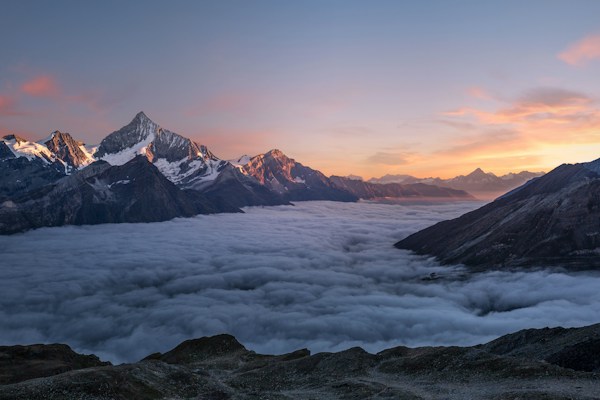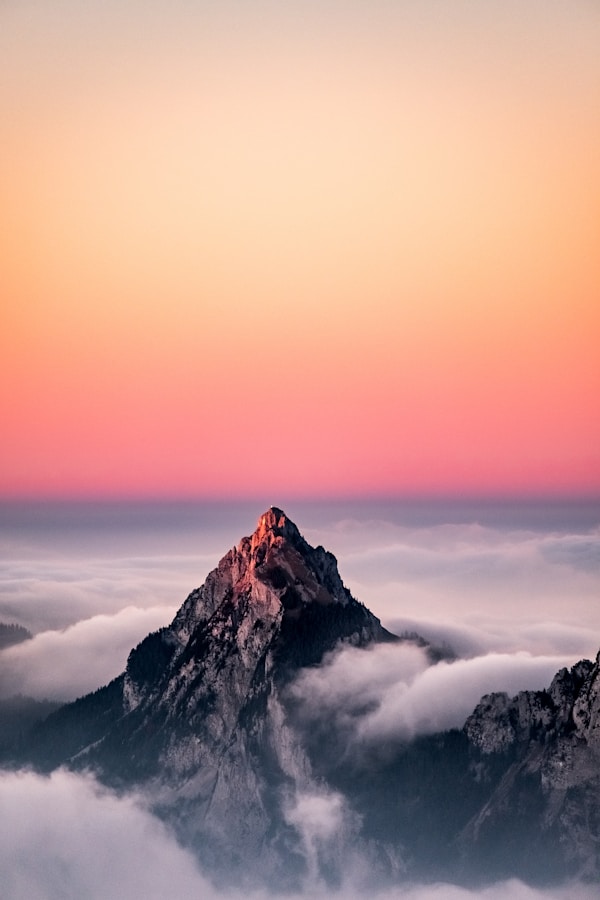
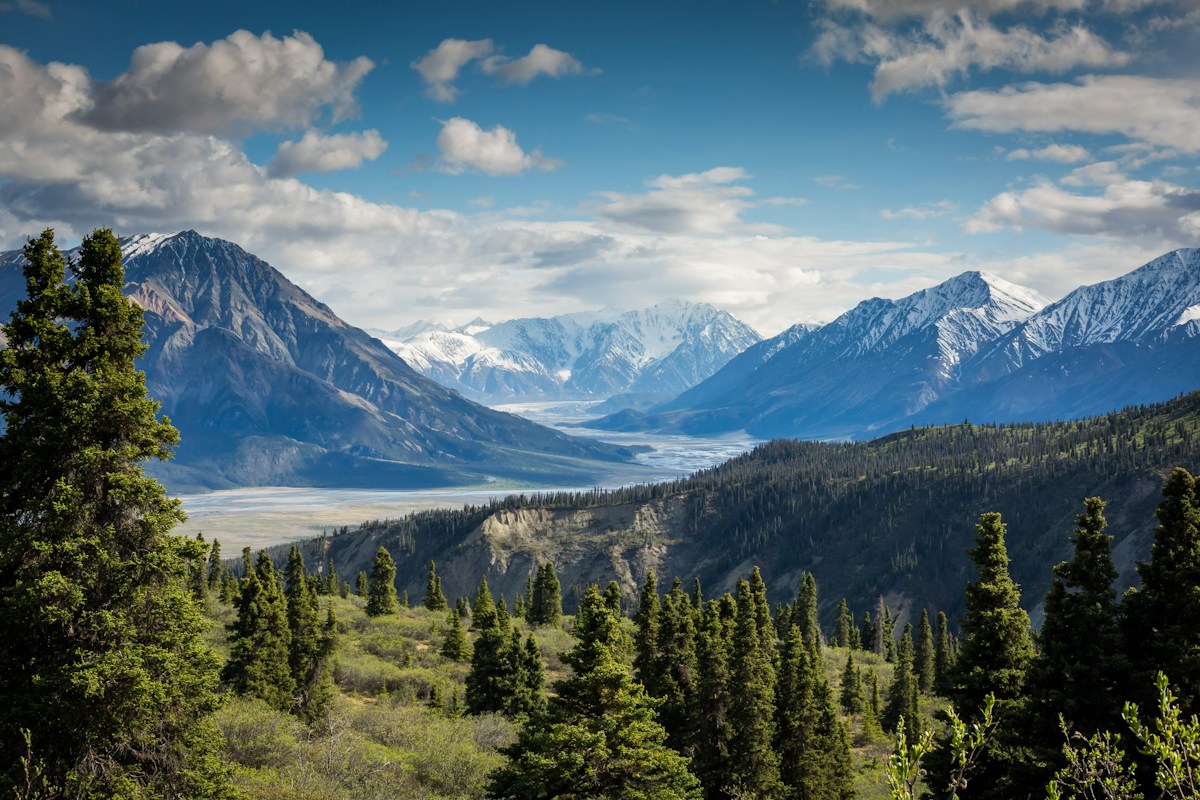
Kilimanjaro is one of the most photogenic mountains on Earth. From the lush rainforest canopy to the glacial summit, every zone offers unique visual opportunities. But photographing at high altitude in extreme conditions presents challenges that require preparation and the right techniques.
This guide covers everything from camera gear and settings to golden hour timing, summit photography, and protecting your equipment from cold, dust, and moisture.
Best Camera for Kilimanjaro
The best camera is the one you know how to use, but certain types of cameras perform better in mountain conditions.
Mirrorless Cameras
Mirrorless cameras are the top choice for most Kilimanjaro photographers. They are lighter than DSLRs, which matters when you are carrying everything in a daypack. They offer excellent image quality, fast autofocus, and good battery performance. Popular choices include the Sony A7 series, Fujifilm X-T series, and Canon R series. A mirrorless body with one or two lenses keeps your weight manageable.
DSLR Cameras
DSLRs remain excellent for Kilimanjaro photography. They offer longer battery life in cold conditions, which is a genuine advantage at the summit where temperatures drop well below freezing. Canon and Nikon DSLRs with weather-sealed bodies handle the mountain's variable conditions well. The extra weight is a trade-off for battery reliability and durability.
Compact Cameras
A high-end compact like the Sony RX100 or Canon G7X can produce surprisingly good results while weighing almost nothing. These cameras are ideal for climbers who want quality images without the bulk of a system camera. The fixed lens limits creative options, but for most trekkers the results are more than adequate.
What About Action Cameras?
GoPro and similar action cameras are great for time-lapse videos and wide-angle shots, but they should be a supplement to your main camera, not a replacement. Their small sensors struggle in low light, and the wide-angle distortion does not flatter mountain landscapes as well as a proper lens.
Lens Recommendations
If you are using an interchangeable lens camera, two lenses cover nearly every situation on Kilimanjaro:
- Wide-angle zoom (16–35 mm or 10–24 mm): Essential for landscape shots, campsite scenes, and the dramatic skies above the moorland and alpine desert. This will be your most-used lens.
- Telephoto zoom (70–200 mm or 55–200 mm): Useful for compressing mountain layers, capturing distant peaks, and shooting wildlife in the rainforest zone. The summit sunrise benefits enormously from a telephoto lens to isolate the sun breaking over the horizon.
A single versatile zoom like a 24–105 mm or 18–135 mm is a reasonable compromise if you want to carry only one lens. You lose the ultra-wide and extreme telephoto ranges, but cover most situations well.
Lens Priority
If you can only bring one lens, make it a 24–70 mm or equivalent. This range covers landscapes, portraits, and camp scenes. Add a lightweight telephoto if your pack weight allows it. Leave the heavy fast primes at home — the weight is not worth the marginal benefit in mountain conditions.
Camera Settings for Each Zone
Kilimanjaro's five zones each demand different camera settings. Here is a quick reference:
Rainforest (1,800 – 2,800 m)
Low light under the canopy requires higher ISO (800–1600) and wider apertures (f/2.8–f/4). Use matrix or evaluative metering. The dense vegetation creates contrasty light, so check your histogram to avoid blown highlights. Morning mist adds atmosphere — shoot into the mist for ethereal, moody images.
Moorland (2,800 – 4,000 m)
Open skies and dramatic clouds dominate this zone. Use a polarizing filter to deepen blue skies and make cloud formations pop. Apertures of f/8 to f/11 give sharp landscapes from foreground to background. The giant lobelias and groundsels here make excellent foreground subjects against mountain backdrops.
Alpine Desert (4,000 – 5,000 m)
Harsh midday light is common here. Use a lens hood to reduce flare. For dramatic black-and-white landscape shots, underexpose slightly to preserve detail in bright skies. The stark terrain creates powerful minimalist compositions. A graduated neutral density filter helps balance bright skies with darker ground.
Summit Zone (5,000 – 5,895 m)
Night-time summit attempts require fast lenses (f/2.8 or wider) and high ISO (3200–6400). Turn off image stabilization when using a tripod. Pre-set your focus to infinity and switch to manual focus — autofocus struggles in the dark. The star trails and Milky Way shots from high camp are extraordinary if you bring a small tripod.
Golden Hour Timing on Kilimanjaro
Golden hour — the period shortly after sunrise and before sunset — produces the warmest, most dramatic light on the mountain. Here is when to expect it at different altitudes:
- Rainforest: Sunrise around 6:00–6:30 AM, sunset around 6:30–7:00 PM. The canopy diffuses golden hour light, so look for shafts of light breaking through the trees.
- Moorland: Similar timing but with clearer skies. The open landscape means unobstructed golden light. Shoot the giant lobelias backlit for silhouette images.
- Alpine Desert and above: Clear air creates intense golden and blue hour light. The best mountain photography happens in the 30 minutes after sunrise and before sunset. Plan to be at a viewpoint or camp with a clear mountain view during these windows.
- Summit: Summit day is timed to reach Uhuru Peak at sunrise. The golden light on the glaciers and the mountain's shadow stretching across the plains below is the single most iconic photo opportunity on Kilimanjaro. Be ready with your camera before the sun breaks the horizon.
Summit Photography: The Cold Battery Problem
The summit attempt begins around midnight, reaching Uhuru Peak at sunrise. Temperatures at the summit can drop to -20°C or lower. Cold batteries lose charge rapidly — you may find your camera battery shows full at base camp and dies within minutes at the summit.
Here is how to manage it:
- Keep batteries warm: Store spare batteries in an inside pocket close to your body. The warmth from your torso keeps them charged. Rotate batteries from your pocket to the camera as needed.
- Use lithium batteries: Lithium AA or lithium-ion camera batteries perform better in extreme cold than alkaline or older lithium-polymer cells.
- Minimize LCD use: The rear screen drains battery fast in cold conditions. Chimping (checking every shot on the screen) kills battery life. Trust your settings and review images at camp.
- Bring a power bank: A warm power bank in your pocket can charge USB-powered cameras or keep your phone alive for backup shots.
- Cold-start your camera: Turn the camera on just before you need it, take your shots, and turn it off again. Leaving it on in the cold drains the battery even when not shooting.
Protecting Your Gear
Kilimanjaro throws dust, rain, moisture, and extreme cold at your equipment. Protection is essential.
- Camera bag: Use a padded camera insert inside your daypack. A rain cover for the daypack keeps everything dry during afternoon showers.
- Ziplock bags: The simplest and most effective protection. Place your camera in a large ziplock bag when moving through rain or crossing streams. The bag also prevents condensation when moving from cold exterior to warm tent.
- Silica gel packets: Toss a few silica gel packets into your camera bag to absorb moisture. Replace them if they become saturated.
- Lens cloth: Carry multiple microfiber cloths. Dust and moisture on the lens are constant companions. Clean your lens frequently.
- Avoid lens changes in dusty areas: The alpine desert zone is extremely dusty. Change lenses inside your tent or a protected area if possible.
- Condensation management: When entering a warm tent from cold conditions, place your camera in a sealed bag immediately. Let it warm up slowly inside the bag to prevent condensation forming on internal components.
Composition Tips
Strong compositions separate snapshot photography from memorable images. Here are tips specific to Kilimanjaro:
- Include people for scale: A lone trekker against the vast moorland or alpine desert creates powerful images that convey the mountain's scale.
- Use leading lines: Trails, ridgelines, and the curve of the mountain's slopes all create natural leading lines that draw the viewer's eye into the frame.
- Foreground interest: Giant lobelias, wildflowers in the moorland, or rocks in the alpine desert add depth to landscape shots.
- Weather is your friend: Storm clouds, mist, and dramatic skies create more compelling images than clear blue skies. Do not put your camera away when the weather turns — some of the best Kilimanjaro photos are taken in challenging conditions.
- Tell the story: Capture camp life, porters at work, meals being prepared, and the camaraderie around the campfire. These candid moments often become the most treasured memories.
The best Kilimanjaro photographs are not necessarily the most technically perfect ones. They are the images that capture how the mountain made you feel. Focus on moments, emotions, and the unique light of each zone, and your photos will tell a story that lasts a lifetime.
Phone Photography on Kilimanjaro
Modern smartphones take excellent photos in good light. If your phone is your primary camera, you can still capture stunning images on Kilimanjaro. A few tips:
- Keep your phone in an inside pocket to preserve battery in cold conditions
- Use the wide-angle lens for landscapes — most modern phones have a dedicated ultra-wide camera
- Enable HDR mode for high-contrast scenes like sunrise and sunset
- Shoot in RAW format if your phone supports it — this gives more flexibility in post-processing
- Bring a small phone tripod for stable shots and time-lapse videos
- Download offline maps and keep your phone charged as a backup GPS and communication device
Post-Processing Tips
After the climb, you will have hundreds or thousands of images to sort through. A few quick post-processing tips:
- Shoot in RAW format if possible — the extra data makes a huge difference when recovering detail in bright skies and dark shadows
- Adjust white balance to match the warm tones of golden hour or the cool blues of dawn
- Don't over-saturate — Kilimanjaro's natural colors are already dramatic enough
- Use a subtle vignette to draw attention to the center of the frame
- Create a curated selection of 30–50 images rather than sharing everything — the best photos tell the complete story
Ready to photograph Kilimanjaro? Browse our trek packages and start planning the climb of a lifetime.