Nighttime on Kilimanjaro is when the mountain shows its true character. During the day, the equatorial sun warms you through layers of fleece and down. You hike in t-shirts, feel sweat on your back, and wonder why you brought so many warm clothes. Then the sun sets, the temperature plummets, and within an hour you understand exactly why experienced climbers call Kilimanjaro a "tropical mountain with arctic nights."
The cold on Kilimanjaro is not just uncomfortable — it is a defining feature of the climbing experience. At summit level, nighttime temperatures regularly drop to -15°C or colder, with wind chill pushing the feels-like temperature past -25°C. Even at lower camps, temperatures routinely fall below freezing. Understanding exactly how cold it gets, when it gets cold, and how to prepare for it is essential knowledge that affects your gear choices, your sleep quality, and ultimately your chances of reaching the summit.
-15°C to -25°C at Summit Level
Nighttime temperatures on Kilimanjaro range from 3–8°C at lower camps (3,000m) to -15°C or colder at summit camps (4,600m+). Wind chill can make it feel like -25°C or colder during summit night. The coldest period is midnight to dawn.
Temperature Overview: What You Are Dealing With
The temperature gradient on Kilimanjaro follows a predictable pattern: for every 1,000 metres of altitude gain, nighttime temperatures drop by approximately 6–8°C. This means a climber sleeping at Machame Camp (3,000m) experiences conditions roughly 15–20°C warmer than a climber at Barafu Camp (4,640m). The difference is dramatic — and it is why your sleeping system must be rated for the coldest camp you will encounter, not the average temperature of the climb.
Nighttime Temperature by Month
Kilimanjaro sits three degrees south of the equator, which means it does not experience the traditional four-season pattern familiar to temperate climbers. Instead, the mountain has two dry seasons and two rainy seasons, each with distinct temperature characteristics. Here is what nighttime temperatures look like at summit level (4,500–5,895m) for each month:
The coldest months are June through August — the long dry season. Paradoxically, this is also the most popular climbing season because the daytime weather is clear, dry, and sunny. The trade-off is brutally cold nights. September and October offer the best balance: still cold enough to require serious gear, but not the extreme conditions of mid-winter. December through February are the warmest months, with nighttime temperatures that are merely cold rather than dangerously freezing.
Camp-by-Camp: What Each Night Feels Like
Understanding the temperature at each specific camp helps you prepare mentally and physically. Here is what to expect at each camp on the Machame route:
| Camp | Altitude | Night Temp (Jun–Oct) | Night Temp (Dec–Feb) | Wind Chill | Feel |
|---|---|---|---|---|---|
| Machame Camp | 3,000m | 2–5°C | 5–8°C | Negligible | Cool but comfortable |
| Shira Camp | 3,840m | -3–0°C | 2–5°C | -5°C | Cold, requires warm layers |
| Barranco Camp | 3,960m | -5–(-1)°C | 0–3°C | -8°C | Very cold, sleeping bag essential |
| Karanga Camp | 4,270m | -8–(-3)°C | -2–1°C | -12°C | Freezing, exposed to wind |
| Barafu Camp | 4,640m | -15–(-8)°C | -8–(-3)°C | -20°C+ | Extreme, summit preparation |
| Uhuru Peak | 5,895m | -20–(-15)°C | -15–(-8)°C | -30°C | Arctic, survival mode |
The jump from Machame Camp to Barafu Camp is dramatic. You go from sleeping comfortably in a light fleece to requiring every piece of warm clothing you brought. This is why the sleeping bag rating matters so much — a bag that keeps you warm at 3°C will be dangerously inadequate at -15°C.
Why Kilimanjaro Gets So Cold at Night
Several factors combine to create Kilimanjaro's extreme nighttime temperatures:
Altitude. The primary driver. At 5,895 metres, the air pressure is roughly half that at sea level. Thin air holds less heat, and the atmosphere cannot retain the day's solar warmth. Heat radiates away from the ground rapidly once the sun sets.
Equatorial position. Being near the equator means the sun passes directly overhead, creating intense daytime heating. But it also means the sun sets almost vertically — there is no gradual twilight like at higher latitudes. The transition from scorching day to freezing night happens in under an hour.
Clear skies. During the dry season (June–October), the sky above Kilimanjaro is almost cloudless. Clouds act as a blanket, trapping heat radiated from the ground. Without them, heat escapes directly into space — a phenomenon called radiative cooling. This is why clear nights on Kilimanjaro are colder than cloudy ones.
Wind. The mountain generates its own weather patterns. Katabatic winds — cold air flowing downhill under gravity — sweep across exposed camps at night. These winds can be fierce, particularly at Barafu and the summit, and they dramatically increase heat loss from your body through wind chill.
Ground temperature. The volcanic rock and scree that make up Kilimanjaro's upper slopes absorb heat during the day but release it quickly at night. The ground beneath your tent freezes solid within hours of sunset, creating a cold sink that draws warmth from your sleeping system through conduction.
Kilimanjaro's nighttime cold is not just about the number on the thermometer. It is about the combination of altitude, wind, clear skies, and frozen ground that creates conditions where your body loses heat faster than it can produce it. Understanding this helps you respect the cold and prepare accordingly.
Summit Night: The Coldest Experience
Summit night on Kilimanjaro is the most extreme cold most climbers will ever experience. You leave Barafu Camp at midnight, when temperatures are at their lowest, and climb through the night to reach Uhuru Peak (5,895m) at dawn. For six to eight hours, you are walking through arctic conditions in the dark.
Here is what summit night actually feels like, hour by hour:
Midnight (4,640m). You wake to your guide's knock. The temperature is -12°C, and the wind is howling across the ridge. You layer every piece of clothing you own — thermal base, fleece mid-layer, insulated jacket, windproof shell, beanie, balaclava, two pairs of gloves, and a neck gaiter pulled up over your face. Even with all this, the cold bites instantly.
1:00–3:00 AM (5,000–5,400m). The climb is steep and slow. Your breathing is laboured in the thin air, and every exhale creates a cloud of frozen mist. Your face is exposed to the wind, and within minutes your cheeks feel numb. Your water bottle has frozen solid despite being inside your jacket. The only warmth comes from the effort of climbing — stop moving and the cold engulfs you within seconds.
3:00–5:00 AM (5,400–5,700m). This is the hardest section. The temperature has dropped to -18°C, and wind chill pushes it past -25°C. Your toes are numb despite thick socks and insulated boots. Your fingers are stiff inside double gloves. The only thing keeping you going is the knowledge that sunrise — and warmth — are two hours away. This is where most turnarounds happen.
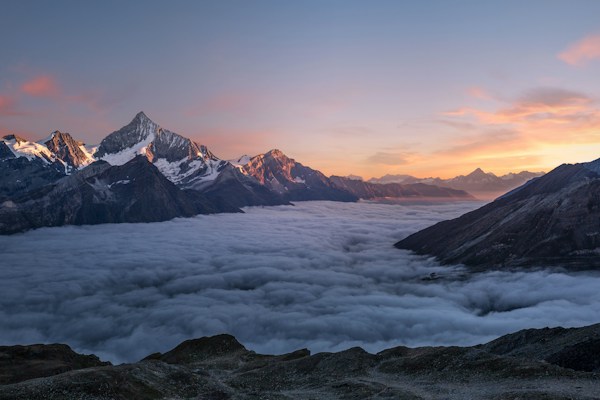
5:00–6:30 AM (5,700–5,895m). The first hint of light appears on the eastern horizon. The sky shifts from black to deep blue to pale gold. The glaciers above you catch the first rays and glow pink and orange. The cold is still brutal, but the approaching sunrise provides a psychological boost that transcends physical discomfort. You push on.
6:30 AM (Uhuru Peak). The sun breaks over the horizon, and for a brief, magical moment, the world is bathed in golden light. You are standing on the highest point in Africa, surrounded by glaciers and clouds, and the cold — while still intense — is forgotten in the euphoria of achievement. The temperature is -15°C, but you feel invincible.
Your Cold-Weather Gear: What Actually Works
The gear you bring determines whether you survive summit night comfortably or endure it miserably. Here are the essentials, ranked by importance:
Sleeping Bag (-15°C to -20°C)
The single most important piece of cold-weather gear. A bag rated to -15°C minimum is essential for the Machame or Lemosho routes. For the Northern Circuit or winter climbs, choose -20°C. Down bags offer the best warmth-to-weight ratio but lose insulation when wet.
Down Insulated Jacket
A premium down jacket (800-fill or higher) is your primary warmth layer during the day and at camp. It should be lightweight enough to stuff into your daypack but warm enough to keep you comfortable at -10°C with a fleece underneath.
Double Glove System
Thin liner gloves for dexterity (zipping tents, operating headlamps) plus insulated mittens or heavy gloves for warmth. Mittens are warmer than gloves because your fingers share heat. Bring both — liner gloves alone are useless at -15°C.
Beanie + Balaclava + Buff
You lose 30–40% of body heat through your head. A warm beanie covers your ears, a balaclava protects your face and neck, and a buff can be pulled up over your nose in extreme wind. This triple combination is non-negotiable for summit night.
Where Heat Escapes: The Critical Zones
Understanding where your body loses heat helps you protect the right areas. Here are the three critical zones that account for the majority of heat loss on Kilimanjaro:
The Three Heat Loss Zones
Head & Face
30–40% of heat loss. Protect with beanie, balaclava, and buff. Cover ears completely — they are the first body part to show frostbite signs.
Torso & Core
35–40% of heat loss. Layer strategically: base layer wicks sweat, fleece insulates, down jacket traps warmth, shell blocks wind. Core warmth keeps extremities functional.
Hands & Feet
20–25% of heat loss. Feet are highest risk — poor circulation at altitude makes them vulnerable. Double socks, insulated boots, and hand warmers are essential.
Frostbite: What You Need to Know
⚠️ Frostbite Risk on Kilimanjaro
Frostbite is a real risk on Kilimanjaro, particularly during summit night. It occurs when skin and underlying tissues freeze due to prolonged exposure to extreme cold. Understanding the signs and prevention strategies could save your climb — or your fingers and toes.
- First signs: Numbness, tingling, or "pins and needles" in fingers, toes, ears, or nose. This is your body's warning — take it seriously.
- Progression: Skin turns white or greyish. Feels hard or waxy to the touch. Pain may disappear as nerves freeze — this is dangerous because you lose the ability to feel damage.
- Prevention: Keep moving. Protect extremities with proper gear. Stay dry — wet skin freezes faster. Monitor climbing partners for white patches on faces.
- Immediate action: Descend to warmer altitude if possible. Rewarm affected areas gradually with body heat. Do not rub frozen skin — this causes tissue damage. Seek medical help immediately.
The most vulnerable areas on Kilimanjaro are the tips of fingers, toes, ears, and the nose. These extremities receive less blood flow as the body prioritises keeping the core warm. On summit night, when temperatures hit -15°C with -25°C wind chill, frostbite can develop in as little as 30 minutes of exposed skin contact.
Prevention is straightforward: cover everything, keep moving, and stay dry. The double glove system protects fingers, insulated boots with toe warmers protect feet, and a balaclava protects ears and nose. If you feel numbness in any extremity, stop, add insulation, and move your fingers or toes vigorously to restore blood flow.
How to Stay Warm: The Practical Guide
Staying warm on Kilimanjaro is not about bringing the most expensive gear — it is about using the right layers in the right way. Here is the proven strategy that guides recommend:
The layering system. Three layers minimum for summit night: a moisture-wicking base layer (merino wool or synthetic), an insulating mid-layer (fleece or down), and a windproof outer shell. Each layer serves a specific purpose, and removing or adding layers as conditions change is essential for temperature regulation.
Keep moving. Your body generates heat through movement. On summit night, the guides set a deliberately slow pace — not because you cannot walk faster, but because stopping generates no heat. If you feel cold, speed up slightly. If you feel too warm, slow down. Never stop for more than a minute or two.
Eat and drink. Your body needs fuel to generate heat. Eat calorie-dense snacks (nuts, chocolate, energy bars) every 30–60 minutes during summit night. Drink warm water or tea at every opportunity. A thermos of hot tea in your daypack is worth its weight in gold.
Protect your core. If your core temperature drops, your body restricts blood flow to extremities to protect vital organs. This is why cold hands and feet are often symptoms of an under-insulated core, not cold extremities. Add a layer to your torso before adding gloves or socks.
Use chemical warmers. Disposable hand and toe warmers are lightweight, inexpensive, and provide 6–8 hours of gentle heat. Place them in your gloves and boots before summit night. They are not a substitute for proper insulation, but they provide a noticeable comfort boost in extreme cold.
The cold on Kilimanjaro is not your enemy — it is a challenge to be respected and prepared for. Every climber who reaches Uhuru Peak has stood in -15°C darkness and chosen to keep going. The cold tests you, but it does not defeat you. Not if you are ready for it.
Frequently Asked Questions
Ready to Face the Cold?
We provide all cold-weather gear — sleeping bags, jackets, gloves, and balaclavas — so you can focus on the climb. Let us help you prepare for the ultimate adventure.