Dramatic River Crossings
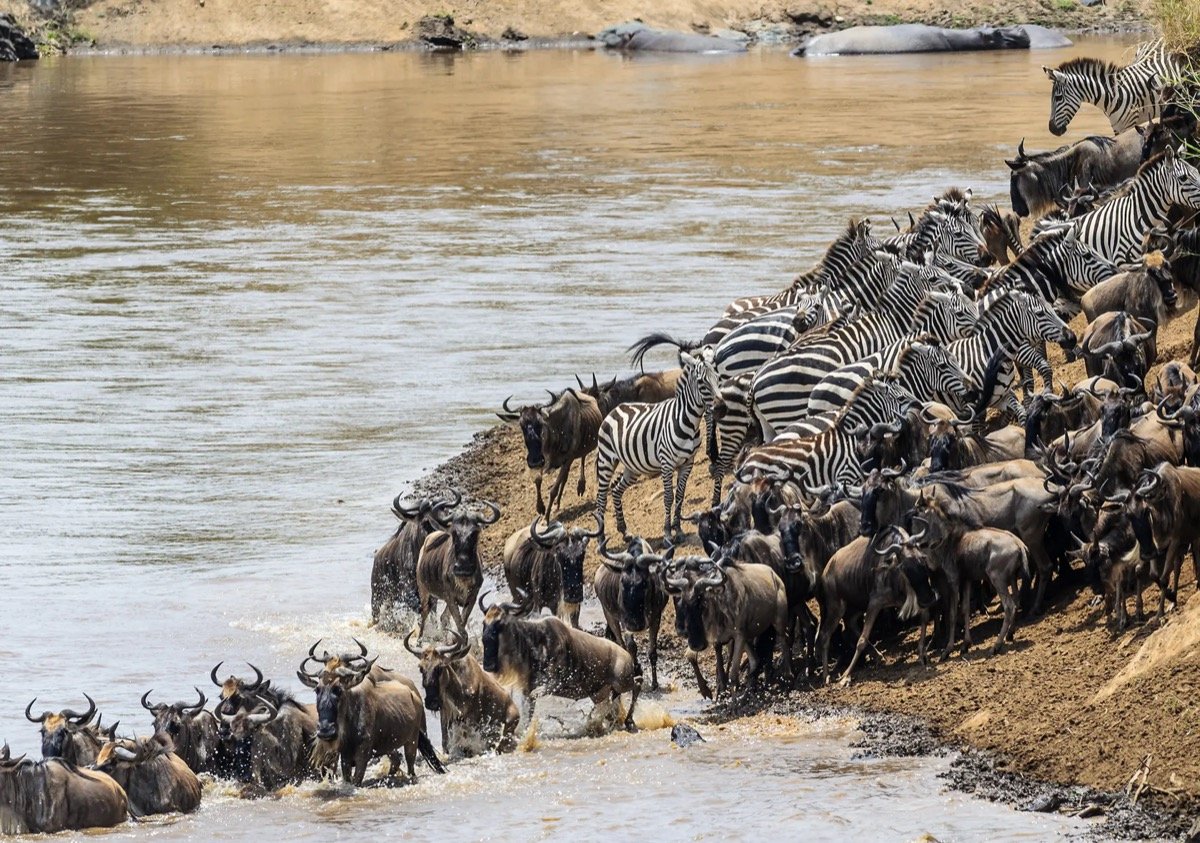
Watch thousands of wildebeest and zebra brave the Mara and Grumeti rivers, facing crocodiles and strong currents in one of nature’s most intense spectacles.

Great Migration safaris
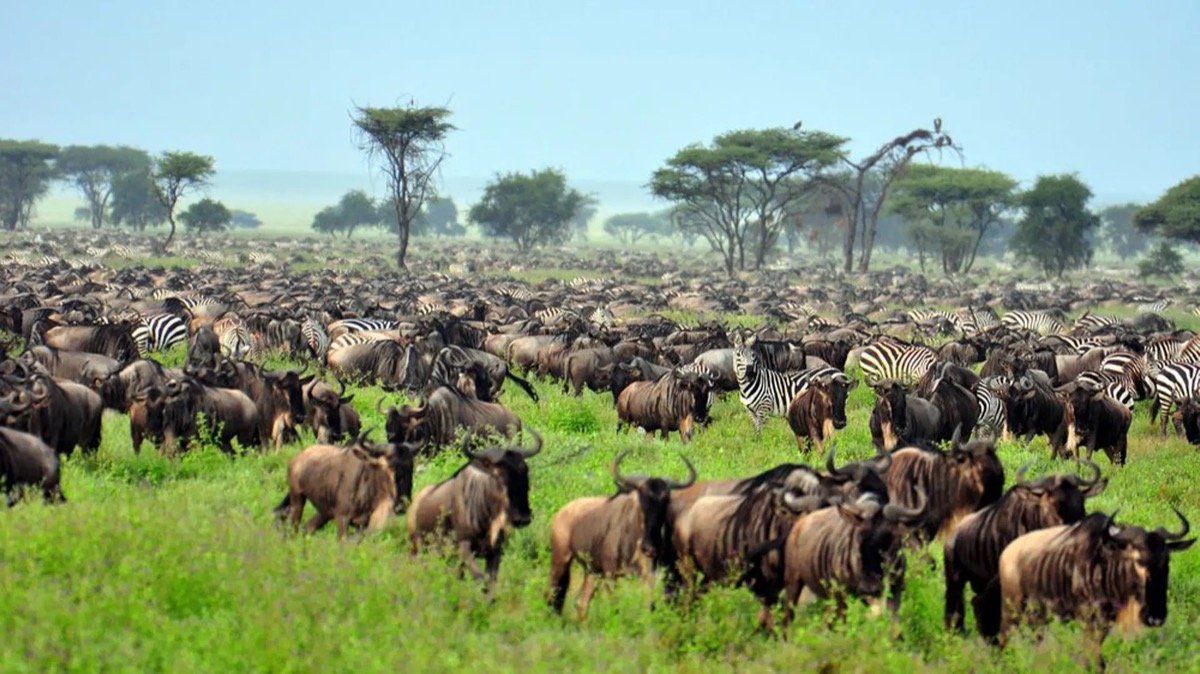
Over two million wildebeest, zebras, and gazelles move across the Serengeti plains in a constant cycle of movement and survival. Witness dramatic river crossings, endless herds, and predators in action on a safari timed to the real position of the herds.
Timed to the herds Private vehicles Expert local guides
Nature's greatest journey
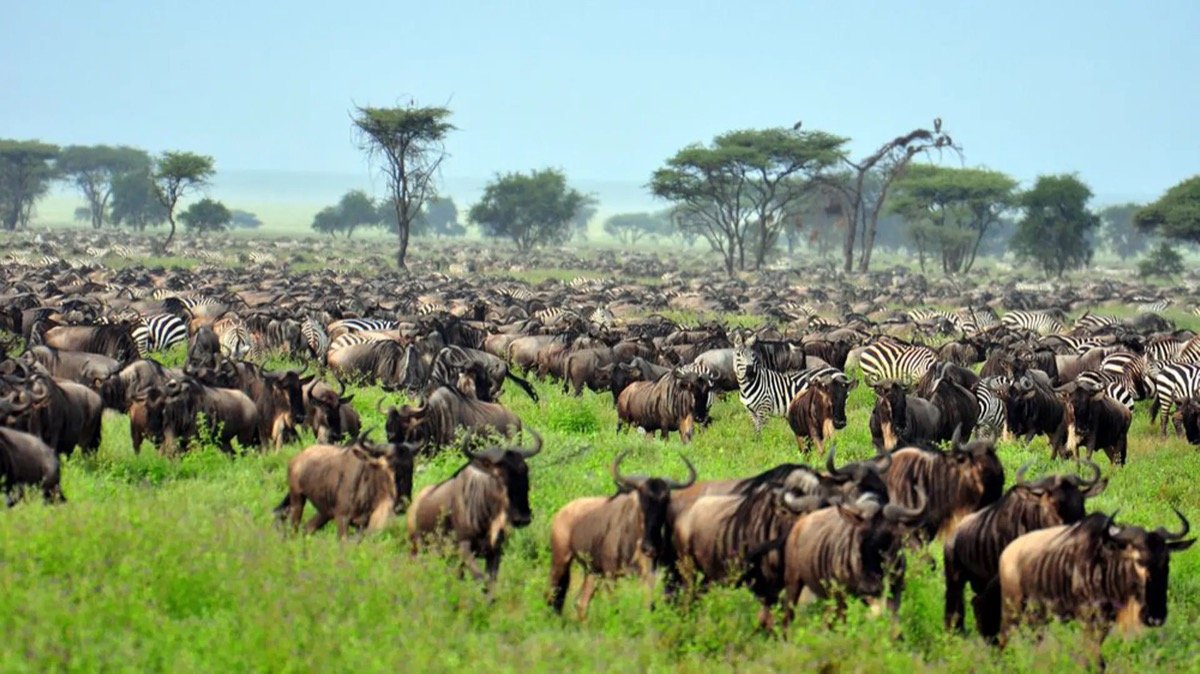
The Serengeti Wildebeest Migration is one of the most remarkable wildlife events in the world. As the herds travel, they face dramatic river crossings and the ever-present danger of predators along the way. The sight of thousands of animals moving together across open landscapes is unforgettable, filled with energy, sound, and raw beauty.
With Bush Lion Tours, this natural wonder becomes a well-timed and immersive safari experience. We place you in the right sector of the Serengeti for your dates — whether that is the southern plains for the calving season, the western corridor for the Grumeti crossings, or the north for the Mara River drama.
Our guides know the herds, the roads, and the river crossing points. They also know when to wait and when to move, giving you the best chance to witness the moments you have traveled to see.
Migration moments
Witness the real moments of the Serengeti migration — vast herds crossing open plains, dramatic river crossings, and close wildlife encounters.
Watch thousands of wildebeest and zebra brave the Mara and Grumeti rivers, facing crocodiles and strong currents in one of nature’s most intense spectacles.
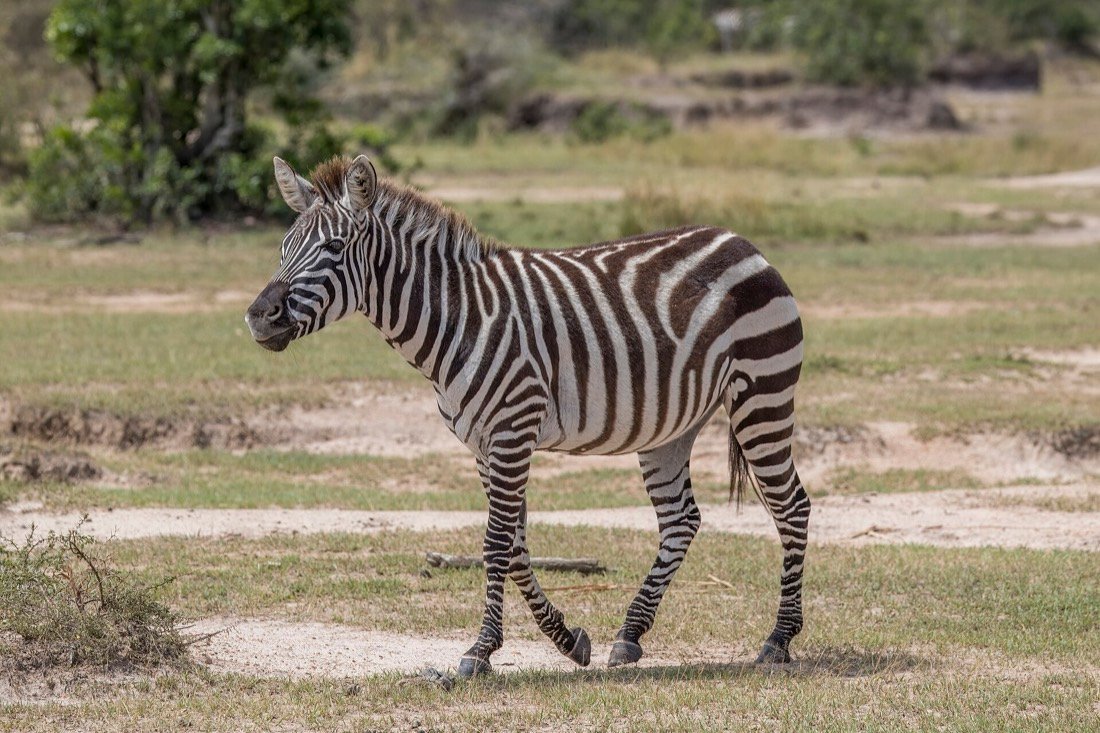
See the plains come alive as millions of animals move together in search of fresh grazing, creating a constant cycle of movement and survival.
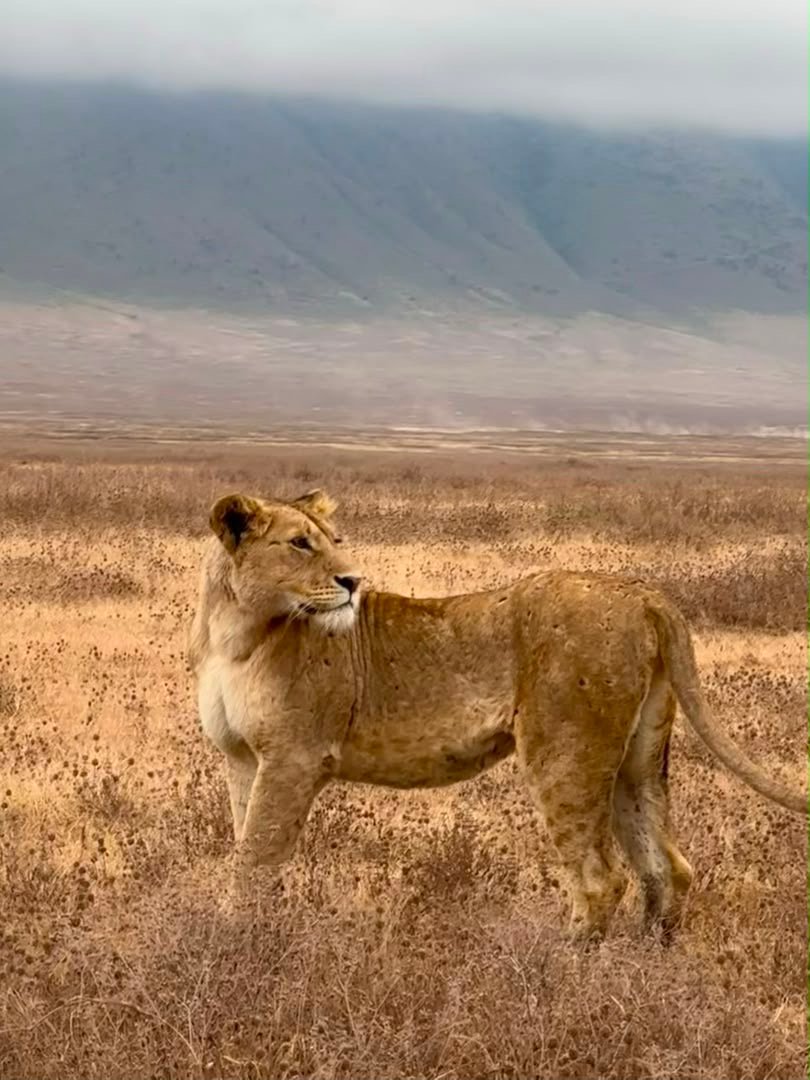
Follow the predators that shadow the herds — lions, cheetahs, leopards, and hyenas — turning the migration into a powerful display of life in the wild.
The yearly cycle
The Serengeti Wildebeest Migration follows a natural yearly cycle across Tanzania’s plains. Each stage offers a different experience, from newborn wildlife to powerful crossings.
Jan – Mar
The herds gather in the southern Serengeti and Ndutu area for the calving season. Thousands of newborn wildebeest attract intense predator action.
Apr – May
As the long rains end, the herds begin moving north through the Serengeti western corridor, with the Grumeti River crossing as a key highlight.
Jun – Sep
The migration spreads across the northern Serengeti and into Kenya’s Maasai Mara. This is the best time to witness dramatic Mara River crossings.
Oct – Dec
As the short rains return, the herds move back south to the Serengeti plains, completing the cycle and preparing for the next calving season.
Expert advice
The best time to experience the Serengeti Migration Safari is from late June to September, during the dry season when wildlife viewing is at its peak. This is the period when the wildebeest herds gather in the northern Serengeti and attempt the dramatic Mara River crossings.
The weather during these months is generally ideal, with clear skies, sunny days, and cooler evenings, making it perfect for game drives. However, the exact movement of the migration changes each year depending on rainfall patterns, so timing can vary slightly.
For the best experience, Bush Lion Tours provides expert guidance and up-to-date migration tracking to help you witness the herds in the right place at the right time.
Start planning
Let us create a seamless migration safari tailored just for you, from well-located lodges to expertly timed movements that follow the herds.
Inspired itineraries
Explore safari itineraries that follow the Great Migration across the Serengeti. Each journey is planned to place you in the best areas at the right time.
 Mid range
The 7 Days Great Migration Safari is our signature migration-tracking itinerary, designed for travellers who want to witness the Serengeti's greatest wildlife spectacl…
From $2,490 per person
When to travel
Tanzania is a year-round safari destination, but the best time for wildlife viewing is during the dry season from June to October, especially for the wildebeest migration. Below is a simple month-by-month guide to help you choose the best time to visit.
January marks the beginning of Tanzania’s short dry season, with occasional afternoon showers that quickly clear. It is an excellent time to travel thanks to high lodge availability and lower rates across most regions. This is also the peak of the Great Migration calving season in the southern Serengeti, where thousands of wildebeest give birth, attracting intense predator activity and offering dramatic wildlife encounters.
February in Tanzania is hot and mostly dry, making it a good time to visit with fewer crowds and lower rates across many destinations. It is the peak of the wildebeest calving season in the southern Serengeti, bringing strong predator activity and excellent wildlife viewing.
March in Tanzania marks the beginning of the long rains and is one of the wettest months of the year. Tropical afternoon downpours are common, but they often come and go quickly. With fewer travelers during this time, many camps and lodges offer excellent value for money.
April is the peak of the wet season in Tanzania, as the long rains fully set in with frequent and heavy downpours. Travel during this time comes with significant cost advantages, as many properties reduce their rates. However, accessibility can be limited, especially in southern and western parks where many camps close due to road conditions.
May in Tanzania marks the final stretch of the long rains, with conditions gradually drying toward the end of the month. It is one of the best times to witness the Great Migration as the massive herds move north in search of fresh grazing.
June in Tanzania marks the start of the dry season, bringing clear skies, warm daytime sunshine, and cooler mornings and evenings. It is one of the best times for safaris, as wildlife becomes easier to spot with thinning vegetation and animals gathering around remaining water sources. A major highlight is the wildebeest migration crossing the Grumeti River in the western Serengeti.
July is one of the best times to visit Tanzania, falling in the middle of the dry, peak season with consistently warm weather and outstanding wildlife viewing. It is a prime safari month, with the Serengeti’s Great Migration crossing rivers, along with excellent sightings of elephants in Tarangire and chimpanzees in Mahale.
August is widely considered the best month to visit Tanzania, offering peak safari conditions with dry, warm days and cool, comfortable nights. It is one of the ultimate times for wildlife viewing, as animals gather around limited water sources, creating consistent and rewarding game encounters across the parks. Highlights include the Great Migration river crossings in the Serengeti.
September marks the end of the dry season in Tanzania, bringing some of the highest concentrations of wildlife around limited water sources. It is a rewarding time for safaris, as the Great Migration herds begin moving back south from Kenya, often resulting in dramatic river crossing sightings.
October is one of the best months to visit Tanzania, with peak safari conditions still in full effect across the main parks. Availability is limited and rates remain high, so early booking is essential. Early October still offers chances to see the Great Migration mega-herds spread across the northern Serengeti before they move further south.
November marks the beginning of Tanzania’s short rainy season, with most rainfall occurring overnight or in short bursts during the day. Tourist numbers drop significantly, making it a quieter time to visit, with good availability and more affordable rates across many properties.
December is a beautiful transition month in Tanzania, marking the start of the “emerald” season as the landscapes turn greener and more vibrant each day. Large wildebeest herds gather across the Serengeti plains in preparation for the upcoming calving season, creating excellent wildlife viewing opportunities.
African wilderness
Tanzania offers one of the most diverse and rewarding safari experiences in Africa, with vast landscapes that support an incredible variety of wildlife. From the endless plains of the Serengeti to the unique ecosystem of the Ngorongoro Crater, every destination offers close encounters with nature at its purest.
With Bush Lion Tours, your safari is carefully designed to match your travel style, ensuring seamless journeys, handpicked lodges, and meaningful wildlife encounters. It is also home to the Great Migration, the Big Five, and countless bird species, making Tanzania a truly unforgettable destination for a world-class safari.
How booking works
★★★★★
Absolutely incredible. I did the 6-day marangu route solo with a crew of 5 and it could not have gone better. Denis was my guide and he did an excellent job pacing me up. The whole team worked extremely hard to make sure the climb and summit went as smooth as possible.
Matias F · Portugal · TripAdvisor
★★★★★
A huge thank you to Jackson and his amazing team for making our dream come true! Our group of four recently completed a 17-day journey with Bush Lion Trekking & Tours—10 days of cultural immersion followed by 7 days of safari—and it was one of the most unforgettable travel experiences we have ever had.
Scenic59080 · Unknown · TripAdvisor
★★★★★
I am a solo traveler to Tanzania and joined a private 7-Day Safari Tour covering Tarangire, Serengeti, and Ngorongoro Crater. Everything was well-organized and personalized. One of the absolute highlights was witnessing the Great Migration at the Mara River.
Sandy · London, UK · TripAdvisor
The Bush Lion Tours difference
We believe a safari should be more than just a trip — it should be a deeply personal and unforgettable experience. Every journey is carefully designed with attention to detail, from handpicked lodges to seamless logistics and expert local guidance.
We time your itinerary around the real position of the herds, not a fixed schedule.
Private 4x4 vehicles and expert guides give you the best position at river crossings.
We choose camps in the right sector of the Serengeti for your travel dates.
Our team is based in Tanzania and updates plans daily as the migration moves.
Questions travelers ask
Honest answers — where something depends on season, rainfall, or herd movements, we say so.
The Great Migration is the annual movement of over two million wildebeest, zebras, and gazelles across the Serengeti ecosystem in search of fresh grazing. It is one of the most remarkable wildlife events in the world.
The Mara River crossings in the northern Serengeti are most likely from late July to October. The Grumeti River crossings in the western corridor usually happen around May and June. Exact timing depends on rainfall each year.
The calving season takes place in the southern Serengeti and Ndutu area, mainly from January to March. Thousands of wildebeest are born within a few weeks, attracting heavy predator activity.
A focused migration safari can be done in three to five days if you fly into the right sector. Seven to ten days gives you more flexibility and a richer overall experience across multiple parks.
Yes. Most migration itineraries also include Ngorongoro Crater, Tarangire, and sometimes Lake Manyara. We can also add a beach extension in Zanzibar after the safari.
We track migration movements and guide reports throughout the season. When you enquire, we will recommend the Serengeti sector with the highest chance of strong herd activity for your dates.
Next step
Tell us when you would like to travel and what you hope to witness. Our local team will advise on the best Serengeti sector for your dates and build a migration safari around the real movement of the herds.
+255 783 884 129 info@bushliontours.com Call our Moshi office
Photography: Bush Lion Tours archive · migration and wildlife images by Charles J. Sharp, licensed CC BY-SA 4.0.