
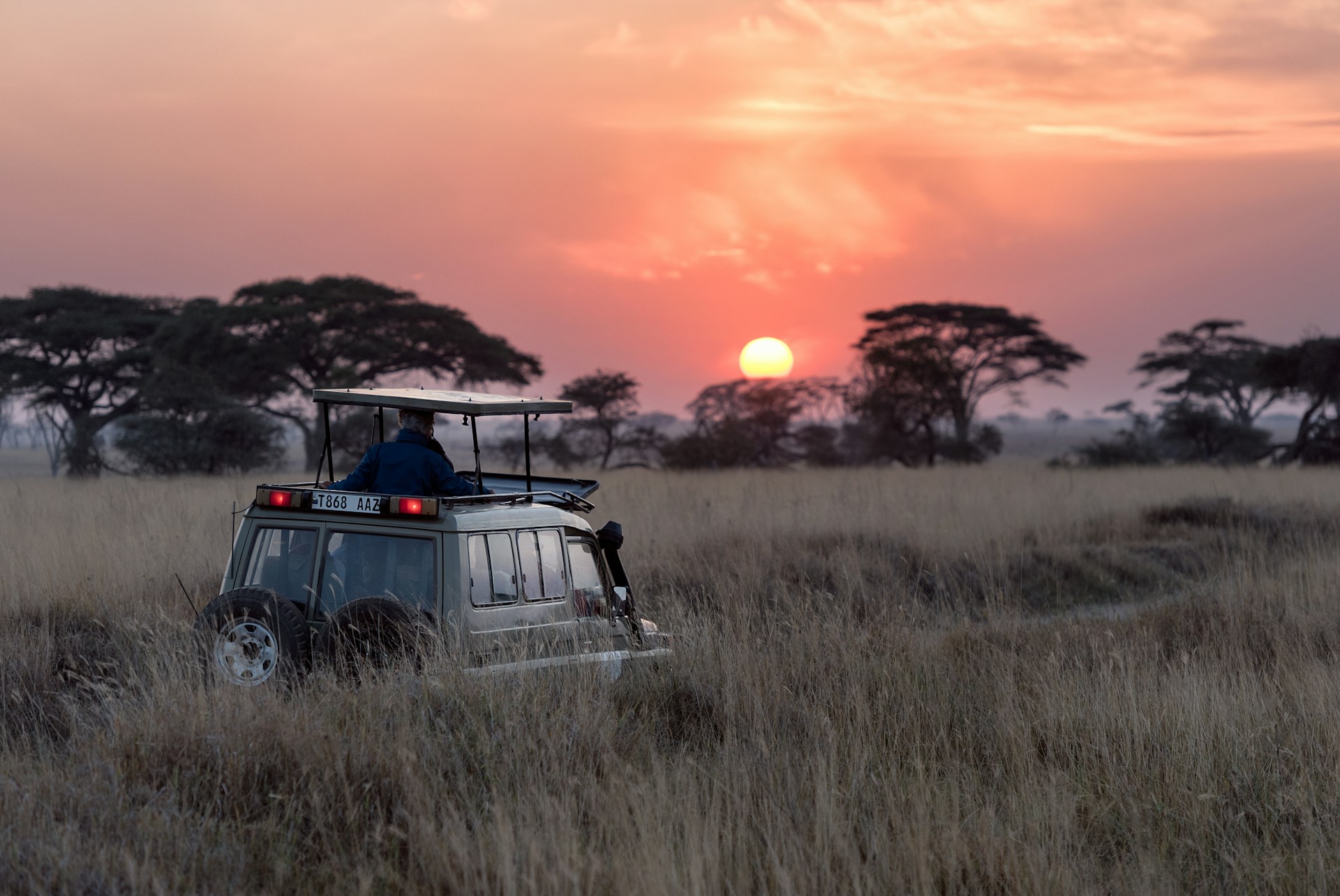
Ruaha National Park
Tanzania's largest national park covering 20,226 km² of rugged wilderness. Home to the largest elephant population in East Africa, dramatic baobab landscapes, and Africa's most remote and exclusive safari experience.
Why Ruaha National Park
Discover what makes this rugged wilderness one of Africa's most exclusive and rewarding safari destinations.
East Africa's Largest Elephant Herds
Home to over 10,000 elephants — the largest concentration in the region — moving through baobab forests and riverine habitats.
Truly Remote
One of the least visited major parks in Africa, offering exclusive game viewing with minimal other vehicles.
Big Predator Action
Large populations of lions, leopards, cheetahs, and one of Africa's most important wild dog refuges.
Birdwatcher's Paradise
Over 570 bird species including the endemic Ruaha red-billed hornbill and species found nowhere else in Tanzania.
Baobab Landscapes
Iconic giant baobab trees dot the landscape, creating some of the most dramatic safari scenery in Africa.
Walking Safaris
Expert-guided walking safaris through untouched bush — the most authentic way to experience the African wilderness.
Overview
Ruaha National Park is Tanzania's largest national park, covering 20,226 km² of rugged, untamed wilderness in the country's remote interior. Located in the heart of Tanzania between the country's two great safari circuits, Ruaha was established in 1910 as the Saba Game Reserve and renamed in 2008 after absorbing the adjacent Usangu Game Reserve, making it one of the largest protected areas in all of Africa.
The park takes its name from the Great Ruaha River, which forms the park's southeastern boundary and serves as the lifeblood of the entire ecosystem. This mighty river, along with its tributaries, sustains an extraordinary concentration of wildlife, particularly during the dry season when animals gather along its permanent pools and flowing channels.
What truly sets Ruaha apart is its remoteness. Despite being Tanzania's largest park, it receives only a fraction of the visitors that flock to the Serengeti or Ngorongoro. This means game drives are often shared with no other vehicles, and the sense of wilderness is overwhelming. For many safari enthusiasts, Ruaha represents the last frontier of truly untouched African wildlife viewing.
Wildlife
Ruaha is home to one of the largest elephant populations in all of Africa, with an estimated 10,000 or more individuals roaming the park. These elephants are often encountered in large family groups moving through the baobab forests and along the riverine vegetation. The sheer number and relatively undisturbed nature of these herds makes Ruaha one of the premier elephant-watching destinations on the continent.
The park's predator populations are equally impressive. Ruaha supports a significant lion population, with prides frequently spotted along the Great Ruaha River and the park's open plains. Leopards are commonly seen in the riverine forests, while cheetahs patrol the more open areas. Perhaps most importantly, Ruaha is one of the last strongholds for the endangered African wild dog, with several packs operating within and around the park.
Beyond the big cats and wild dogs, Ruaha is home to large populations of buffalo, giraffe, zebra, wildebeest, and a variety of antelope species including greater kudu, sable antelope, and roan antelope — species that are increasingly rare in other Tanzanian parks. The park also boasts an impressive bird list of over 570 species, making it a top destination for birdwatchers.
The Great Ruaha River
The Great Ruaha River is the park's most important feature. During the dry season, the river becomes the focal point for wildlife activity. Huge concentrations of animals gather along its banks to drink, and predators take advantage of the abundance. Game drives along the river are among the most productive in all of Africa, with hippos, crocodiles, elephants, and big cats all visible from a single vantage point.
Remote Wilderness Experience
Ruaha offers something that has become increasingly rare in African safari — genuine solitude. The park receives fewer than 20,000 visitors per year, compared to hundreds of thousands at the Serengeti or Ngorongoro. Many camps operate in private concessions with exclusive traversing rights, meaning your game drives are genuinely private.
This remoteness comes with a sense of adventure that is hard to find elsewhere. Roads are fewer and less travelled, landscapes are wilder, and encounters with wildlife feel more personal and unscripted. For experienced safari-goers looking for something beyond the standard northern circuit, Ruaha delivers in every sense.
Walking Safaris and Activities
Ruaha is one of the best parks in Tanzania for walking safaris. The varied terrain — from open grasslands to dense bush and riverine forest — makes for fascinating walks where you can track animals, learn about medicinal plants, and experience the bush at ground level. Walking safaris are led by experienced armed guides and typically last three to four hours.
Night drives are another popular activity in Ruaha, offering the chance to spot nocturnal animals such as porcupines, genets, civets, and aardvarks. Many camps also offer bush walks, sundowner drinks in the wilderness, and scenic flights over the park's dramatic landscape.
Fly-In Access
Due to its remote location, Ruaha is best accessed by light aircraft. Scheduled bush flights operate from Dar es Salaam (approximately 2.5 hours), Arusha (approximately 2 hours), and occasionally from other Tanzanian parks. Charter flights can also be arranged for greater flexibility. The flight itself is spectacular, offering aerial views of the Great Ruaha River and the vast wilderness below.
For those with more time, it is possible to drive from Iringa town, though the journey is long and best suited to those who enjoy adventurous overland travel. Most visitors choose the fly-in option to maximise their time in the park.
Best Time to Visit
The dry season from June to October is the best time to visit Ruaha. As water sources dry up, animals concentrate along the Great Ruaha River and its remaining pools, creating dramatic wildlife gatherings. This is the best time for large predator action, elephant sightings, and general game viewing. The weather is also more pleasant during these months, with warm days and cool nights.
The green season from November to May brings lush vegetation, newborn animals, and excellent birdwatching. The park is beautiful and green, and the reduced number of visitors means even more exclusive experiences. However, some roads may become difficult to access, and the thick vegetation can make game viewing more challenging.
Lodge Options
Ruaha offers a range of accommodation options from luxury tented camps to more modest lodges. Many of the best camps operate on an all-inclusive basis, covering game drives, walking safaris, bush meals, and sometimes scenic flights. Popular options include Mdonya Old Camp, Ruaha River Lodge, and the luxury Jabali Ridge. Each offers a unique perspective on the park and its wildlife.
Related Destinations
Explore more of Tanzania's incredible national parks and safari destinations.
Plan Your Ruaha Safari
Ready to explore Tanzania's largest and most remote national park? Contact Bush Lion Tours for a tailored itinerary.