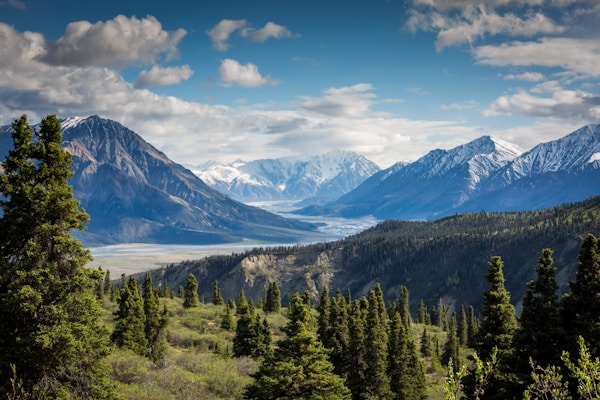

Every year, thousands of women stand on the summit of Kilimanjaro. They are doctors, mothers, students, CEOs, retirees, and adventurers — and they share one thing: the determination to stand on the highest point in Africa. But the path to Uhuru Peak is different for women. From gear designed for male bodies to toilets that test your dignity, from navigating menstruation at altitude to proving yourself on a mountain where most guides are men — the challenges are real. This guide is your honest, comprehensive roadmap.
Kilimanjaro is often marketed as an "everyone can do it" mountain. And while it is true that you do not need technical climbing skills, pretending that a woman's experience is identical to a man's does a disservice to every female climber who has battled ill-fitting boots, struggled with inadequate toilet facilities, or pushed through cramps at 4,500 metres. This article is about preparing you for the real climb — not the brochure version.
Whether you are climbing solo, with a group of friends, or joining a mixed expedition, these ten sections will cover everything the guidebooks leave out. This is the advice our female guides and porters wish every woman had before she arrived in Moshi.
Your Body Is Different — And That Matters on the Mountain
Let's start with biology, because ignoring it doesn't make it disappear. Women's bodies respond differently to altitude, cold, and endurance exercise than men's. This is not about being weaker — it is about understanding how your body works so you can train and prepare accordingly.
Core Temperature
Women tend to feel the cold more acutely due to higher body fat distribution and lower muscle mass relative to weight. You will likely feel colder than male climbers at the same temperature.
Muscle Recovery
Women recover faster from endurance exercise than men. You can sustain steady, moderate effort over long days. Lean into this — it is an advantage on long trekking days.
Altitude Response
Research shows women may be more susceptible to acute mountain sickness (AMS) at certain altitudes. This makes slow, acclimatisation-focused routes like Lemosho and Northern Circuit especially important.
Joint and Ligament
Higher oestrogen levels increase ligament laxity, which can mean more ankle instability on uneven terrain. Trekking poles and properly fitted boots with ankle support become critical.
Iron and Energy
Many women have lower iron stores, which can affect oxygen transport and energy levels at altitude. Get your iron levels checked before the climb and supplement if advised by your doctor.
None of this means women cannot climb Kilimanjaro — far from it. It means that preparation matters more. A woman who understands her body and prepares for these differences will often outperform a man who showed up thinking it would be easy.
Gear That Actually Fits a Woman's Body
The outdoor industry was built for men. Most trekking boots, backpacks, and clothing lines default to male proportions. Women end up wearing smaller sizes of gear designed for male feet, torsos, and shoulders — and it shows in blisters, sore shoulders, and general discomfort. Here is what to prioritise.
Footwear
- Women's-specific boots with narrower heel cups
- Brands like La Sportiva, Scarpa, and Salomon offer dedicated women's models
- Buy from a shop that measures both feet properly
- Break them in over at least 5 long hikes before the climb
Apparel
- Women's-specific base layers with bust accommodation
- Insulated jackets cut longer in the torso and hips
- Hiking pants with a higher rise waistband for comfort
- Merino wool base layers that regulate moisture and odour
Daypack & Poles
- Daypack with adjustable torso length
- Hip belt that sits on your actual hips, not your waist
- Trekking poles sized for your height (shorter women need shorter poles)
- Padded hip belt to distribute weight comfortably
The golden rule: if your gear fits well at sea level, it will serve you at altitude. Never show up to Kilimanjaro with new, untested gear. Every item — boots, poles, pack, sleeping bag — should be tried and tested before you arrive in Tanzania.
Menstruation on the Mountain — Real Talk
This is the topic no one wants to discuss, and the one every female climber needs to prepare for. Your period does not stop for Kilimanjaro. Altitude, stress, and changes in routine can actually shift your cycle — sometimes bringing it early, sometimes delaying it. Here is how to manage it.
| Product | Pros | Cons | Rating |
|---|---|---|---|
| Menstrual Cup | Reusable, holds more, no waste to carry out | Steep learning curve, requires clean water to rinse, removal in a cramped toilet tent | ★★★★★ |
| Period Underwear | Comfortable, no insertion needed, reliable for light-to-medium flow | Must carry used pairs in a wet bag, heavier to wash, limited capacity | ★★★★☆ |
| Pads | Easy to use, familiar, no learning curve | Bulkier to pack, must carry all waste out, adhesive can fail with sweat | ★★★☆☆ |
| Disposable Discs | Can be worn for up to 12 hours, low profile, good for sleeping | Removal can be messy, not reusable, single-use waste | ★★★★☆ |
| Hormonal Suppression | Skips the period entirely (take continuously) | Side effects, requires planning weeks ahead, may cause spotting | ★★★★☆ |
Hygiene Tips from Our Female Guides
- Carry a dedicated zip-lock bag (or two) for used products — you must pack out everything
- Bring unscented intimate wipes for quick cleansing between toilet breaks
- If using a menstrual cup, bring a small bottle of water to the toilet tent for rinsing
- Consider timing your climb to avoid your heaviest days, if your cycle is predictable
- Carry ibuprofen — it reduces menstrual flow and relieves cramps effectively
- Change your product at every toilet break during heavy flow days to prevent leaks
One important note: there is no shame in any product choice. Some women summit with a menstrual cup and feel empowered. Others use pads and carry out the waste with pride. The best product is the one you are most comfortable using in challenging conditions. Practice at home before you arrive.
Toilets and Privacy — Prepare Yourself
Let us be honest: toilet facilities on Kilimanjaro range from basic to genuinely challenging. Understanding what you will face helps you prepare mentally and practically.
🚽 Camp Toilet Tents
Most established camps have toilet tents with a portable toilet. This is your best option — private, elevated seat, and a door that locks. Bring your own toilet paper and hand sanitiser. These are cleaned daily on most routes.
🏔️ Long Drop Toilets
Some camps have permanent long-drop structures — essentially a deep pit with a seat over it. They can be smelly and dark. Carry a small headlamp, and never look down. These are functional but require mental preparation.
🌿 Wild Toilet Situations
On long trekking days (especially Machame's Day 3 Barranco Wall), you may need to find a private spot off the trail. Bring toilet paper in a zip-lock bag, a small trowel, and wet wipes. Choose a spot at least 50 metres from the trail and water sources.
For women who feel anxious about this, here are practical solutions. Pack a small toilet kit in your daypack: travel-sized toilet paper, hand sanitiser, intimate wipes, a zip-lock bag, and a small bottle of water. This kit goes with you every single day, no exceptions. The first toilet experience is always the hardest — by Day 2, you will be a seasoned professional.
Safety as a Woman — Staying Smart
Kilimanjaro is generally very safe for women. Tanzania has a culture of hospitality, and the climbing community is tightly knit. However, travelling to any developing country as a solo woman requires awareness and preparation. These five tips come directly from women who have climbed multiple times.
1. Choose a Reputable Operator
Your operator is your safety net. Choose one that is KPAP-partnered, has verified reviews, and employs women. Ask directly about their porter welfare policies and female staff ratios.
2. Never Climb Alone at Night
On summit night especially, always stay with your group and guide. The trail is busy, but people do get separated in the dark. Keep your headlamp on and stay within voice range of your guide.
3. Trust Your Gut at Camp
If something feels off at camp or with any crew member, tell your head guide immediately. A good operator will address it without question. Your comfort and safety are non-negotiable.
4. Share Your Itinerary
Before the climb, share your detailed itinerary and operator details with someone at home. Include your guide's name, camp names, and estimated summit date. Check in when you have signal.
5. Keep Valuables Hidden
Do not flash cash, phones, or expensive gear in villages. Carry a money belt under your clothes for passport and large bills. Tip in small, discreet envelopes.
Fitness Preparation — The 12-Week Plan
You do not need to be an athlete to climb Kilimanjaro, but you do need to be fit enough to walk 6–8 hours a day for seven consecutive days, often at steep inclines, at altitude. Here is a realistic 12-week training framework that accounts for women's physiology.
12-Week Training Framework
Key strength exercises for women: squats, lunges, step-ups, calf raises, dead bugs (core), and banded walks (hip stability). These target the muscle groups that will carry you up 5,895 metres. If you have access to a stairmaster, use it — nothing replicates the repetitive step-up motion of mountain climbing.
Mental Preparation — The Inner Game
The physical climb is only half the challenge. Mental preparation is what separates those who summit from those who turn around. For women, there are specific mental hurdles worth addressing head-on.
The "Am I Strong Enough?" Doubt
Almost every woman we have guided has asked this at some point. The answer is yes — but you must train for it. Doubt is normal. Let your preparation speak louder than your fear.
Comparing Yourself to Men on the Mountain
Men often move faster in the first days but burn out harder. Women's endurance advantage shows in the second half of the climb. Do not panic if a man passes you on Day 2 — you may pass him on summit night.
Summit Night Anxiety
The midnight start, the cold, the darkness, the altitude — it all converges. Break it down: just walk to the next switchback. Then the next. Small goals defeat overwhelming ones.
Crying Is Not Quitting
Exhaustion, altitude, cold, and emotion combine into tears. This is normal and healthy. Our guides see it in men and women alike. Cry, breathe, drink water, and keep walking. It passes.
Consider starting a daily journaling practice before your climb. Writing about your reasons, fears, and goals creates a reference point you can draw on when the mountain gets hard. Many of our female climbers write a single sentence they carry with them — a mantra for the hard moments.
Nutrition — Fueling Your Body at Altitude
At altitude, your appetite decreases while your caloric needs increase by 30–50%. For women, who often have lower baseline caloric needs, this can mean losing weight rapidly during the climb. Proper nutrition planning is essential.
Carbohydrates Are King
Your body burns carbs more efficiently at altitude. Pack energy bars, trail mix, and dried fruit. Eat carbs at every meal — porridge, rice, pasta, and bread.
Hydrate Aggressively
Drink 3–4 litres per day minimum. Dehydration mimics altitude sickness symptoms. Add electrolyte tablets to your water — plain water alone is not enough.
Snack Constantly
Carry a snack stash in your daypack: nuts, chocolate, energy gels, dried mango. Eat every 90 minutes on the trail. Small, frequent meals beat three large ones.
Protein for Recovery
Request extra protein at camp dinners — eggs, beans, meat if available. Protein supports muscle recovery between trekking days and helps maintain energy.
Iron-Rich Foods
Women with low iron struggle more at altitude. Eat iron-rich foods in the weeks before: red meat, spinach, lentils, fortified cereals. Pair with vitamin C for absorption.
Pro tip from our guides: bring your own favourite snacks from home — the ones that make you happy. A familiar treat on a hard day at altitude is worth more than you might think. Haribo, dark chocolate, peanut butter packets — whatever works for you.
What to Pack — The Women's Essentials List
Beyond the standard Kilimanjaro packing list, here are the items that specifically address women's needs on the mountain.
- Menstrual products (plus extras — more than you think you will need)
- Period underwear or wet bag for used products
- Intimate wipes — unscented, biodegradable if possible
- Travel-sized hand sanitiser (for every toilet break)
- Small toilet paper roll and zip-lock bag for daily carry
- Moisturiser and lip balm with SPF — altitude dries skin aggressively
- Sports bra — moisture-wicking, comfortable, and supportive
- Hair ties and a buff to cover greasy hair (no showers for 7 days)
- Lightweight dry shampoo for camp freshness
- Sunscreen SPF 50+ — reapply every 2 hours at altitude
- Woman-specific electrolyte tablets (with extra iron if recommended)
- Blister prevention tape (Compeed) — women's boots often cause different hot spots
- Compression socks for sleeping — helps with leg swelling at altitude
- Small quick-dry towel for the occasional wet wipe shower
- Earplugs and eye mask — essential for light sleepers in shared tents
- Personal medications — bring extras, altitude can amplify side effects
Pack in organisation systems. Use zip-lock bags labelled by category: "Toiletries," "Electronics," "Medicines," "Snacks." When you need something at 4,500 metres with frozen fingers, you want to grab one bag, not dig through chaos.
Choosing the Right Operator — What to Ask and What to Watch For
Your operator choice is the single most important decision of your Kilimanjaro climb. For women, this decision carries extra weight. Here is how to evaluate operators honestly.
Questions Every Woman Should Ask
Red Flags to Walk Away From
The Bottom Line
Climbing Kilimanjaro as a woman is not just possible — it is transformative. Every year, our female guides watch women arrive with doubt and leave with a fierce, quiet confidence that changes how they see themselves. The mountain does not care about your gender. It cares about your preparation, your determination, and your willingness to keep walking when every part of you wants to stop.
Prepare well, choose your operator wisely, pack for your body, and trust that thousands of women before you have stood exactly where you will stand — on the roof of Africa, looking out over the clouds, knowing they earned every single step.
You are stronger than you think. And Kilimanjaro is waiting to prove it.
Ready to Start Your Kilimanjaro Journey?
Every climb begins with a conversation. Our team — including female guides who have summited dozens of times — is here to answer your questions.