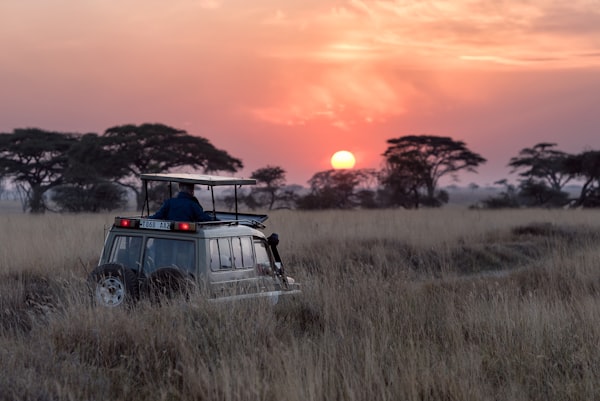
Most safari experiences happen from the seat of a 4x4 vehicle. A walking safari flips that completely. You leave the vehicle behind and explore the bush on foot, accompanied by an armed ranger and an experienced walking guide. It is one of the most intimate and thrilling ways to experience Africa's wilderness.
On a walking safari, every sense is heightened. You hear the snap of a twig, smell the scent of fresh elephant dung on the trail, and feel the heat rising from the ground beneath your boots. The experience transforms the African bush from a backdrop you observe into a world you inhabit.
What Is a Walking Safari?
A walking safari is a guided wildlife viewing excursion conducted entirely on foot. You walk through a national park, reserve, or private concession with an armed ranger and a professional walking guide. The ranger carries a rifle for protection, and the guide leads the group along animal paths, riverbeds, and through bush terrain where vehicles cannot go.
Walking safaris range from short two to three hour morning walks to multi-day expeditions where you walk between camps, sleeping in tents under the stars. The pace is slow and deliberate, with frequent stops to examine tracks, plants, insects, and birdlife. You do not cover large distances — typically five to ten kilometres per walk — and the focus is on the details rather than the destination.
Where to Go on a Walking Safari in Tanzania
Not every park in Tanzania offers walking safaris. The activity requires specific permits, trained guides, and areas where walking is safe and permitted. Here are the best destinations.
Nyerere National Park (Formerly Selous)
Nyerere is one of the best places in Tanzania for walking safaris. The park's vast wilderness areas, varied terrain, and relatively low visitor numbers make it ideal for on-foot exploration. Walks typically follow the Rufiji River or explore the miombo woodland, with chances to encounter elephants, buffalo, giraffes, and wild dogs on foot. The park's private concession areas offer the most flexibility for extended walks.
Ruaha National Park
Ruaha's rugged landscape and remote setting make it excellent for walking safaris. The park's rocky terrain, riverine forests, and open plains provide diverse environments to explore on foot. Walking safaris here often focus on the Great Ruaha River area, where you can observe elephants and other wildlife from a safe distance on foot. The park's remoteness means you are unlikely to encounter other groups.
Lake Manyara
The lakeManyara region offers walking safaris in the adjacent game-controlled areas and forest reserves. Walks through the groundwater forest give you a completely different perspective on the park's ecosystems, from towering mahogany trees to the lake shore where flamingos gather. The proximity to the Rift Valley escarpment provides dramatic scenery.
Private Concessions
Many private concessions bordering the Serengeti and Ngorongoro Crater offer walking safaris. These areas have fewer restrictions than national parks and allow guides to take guests off the beaten path. Walking safaris in private concessions often combine with night drives and other activities that are not permitted in national parks.
What You See on a Walking Safari
Walking safaris reveal a world that vehicle-based safaris miss. At ground level, the bush comes alive with details that are invisible from a car.
You learn to read animal tracks in the sand — the distinctive print of an elephant's rounded foot, the neat three-toed track of a rhino, the claw marks of a hyena. Your guide will stop to explain what each track tells you about the animal's direction, speed, and behaviour.
Plants become fascinating. Your guide will point out medicinal plants used by local communities, trees that provide food for elephants and giraffes, and the tiny flowers and insects that form the foundation of the ecosystem. The African bush is a pharmacy, a supermarket, and a museum all in one.
Birdlife is more visible on foot. Without the noise of a vehicle, you can hear calls and songs clearly. Ground-dwelling birds like francolins, spurfowls, and bustards are more commonly seen walking than driving. Raptors overhead are easier to spot when you are not craning your neck from a vehicle.
And then there are the large animals. Walking towards a herd of elephants, seeing them through the bush rather than from across a plain, is an experience that stays with you forever. The guide reads their body language, knows when to advance and when to stop, and ensures you are always at a safe distance.
The Magic of Walking
The real magic of a walking safari is the feeling of being part of the landscape rather than an observer in a vehicle. You are in the animal's world, on their terms, and that changes everything about how you experience the bush.
Safety Rules
Walking safaris are carefully managed to ensure safety for guests, guides, and wildlife. The rules are strict and non-negotiable.
You must stay with the group at all times. Straying from the path or moving away from the guide is dangerous. The guide and ranger are trained to assess risk and make decisions about when to advance, stop, or retreat.
You walk in single file, with the armed ranger at the front and the walking guide at the rear. This formation allows the ranger to see what is ahead and the guide to monitor the group from behind. You move quietly, speaking only when the guide stops and invites conversation.
If you encounter wildlife, the guide decides the response. For animals like elephants or buffalo, the standard procedure is to stand still, remain calm, and follow the guide's instructions. The guide may choose to detour around the animal or wait for it to move on. Running is never recommended — it can trigger a chase response in predators and is dangerous on uneven terrain.
Walking safaris are not suitable for children under twelve, and some operators require a minimum age of sixteen. Fitness levels should be reasonable — you do not need to be an athlete, but you should be comfortable walking for two to three hours on uneven ground.
What to Wear and Bring
- Neutral clothing. Wear khaki, olive, tan, or brown. Avoid bright colours, white, and dark blue or black, which can attract tsetse flies.
- Sturdy walking shoes. Ankle-supporting boots or trail shoes with good grip are essential. The terrain is often rocky and uneven.
- Long trousers and sleeves. These protect against thorns, insects, and sun exposure. Convertible trousers are practical.
- Hat and sunscreen. The sun is strong, even on overcast days. A wide-brimmed hat and high SPF sunscreen are essential.
- Water bottle. You will be provided with water, but carrying a bottle ensures you stay hydrated throughout the walk.
- Binoculars. Lightweight binoculars are useful for birdlife and distant animal sightings.
- Camera. A small, light camera or your phone is better than a heavy DSLR on a walk. You want your hands free for balance and stability.
Duration and Fitness
Standard walking safaris last between two and four hours and cover five to ten kilometres. The pace is slow and unhurried, with frequent stops. You do not need to be extremely fit, but you should be comfortable walking on uneven ground for a few hours.
Multi-day walking safaris are more demanding. These expeditions involve walking six to eight hours per day over two to three days, carrying a daypack while your main luggage is transported between camps. These are for travellers who want a more immersive wilderness experience and are physically capable of sustained walking.
Combining Walking Safaris with Game Drives
Most safari itineraries that include walking safaris combine them with traditional game drives. You might do a morning walking safari and an afternoon game drive, or vice versa. This combination gives you the best of both worlds — the intimate, ground-level experience of walking and the broader wildlife coverage of vehicle-based game drives.
Some lodges and camps are specifically designed around walking safaris. They are located in private concessions or on the edges of national parks where walking is permitted, and their primary activity is guided walks rather than game drives. These camps offer the most authentic walking safari experience.
A walking safari strips safari back to its essence. No vehicle, no engine noise, no barrier between you and the wild. Just you, the guide, and the African bush as it has been for millennia.
Whether you choose a short morning walk or a multi-day expedition, a walking safari in Tanzania is one of the most rewarding wildlife experiences you can have. It connects you to the landscape in a way that no vehicle-based safari can match, and it will change how you see the African bush forever.