A game drive is the heart of any Tanzania safari. It is the activity you will spend the most time doing, and it is where the magic happens — watching lions hunt, elephants bathe, and giraffes wander across the savannah as the sun rises or sets. But if you have never been on safari before, you might not know what a game drive actually involves.
This guide explains everything that happens on a Tanzania safari game drive, from the vehicle and timing to the guide's role and what you should do to get the most from every outing.
What Is a Game Drive?
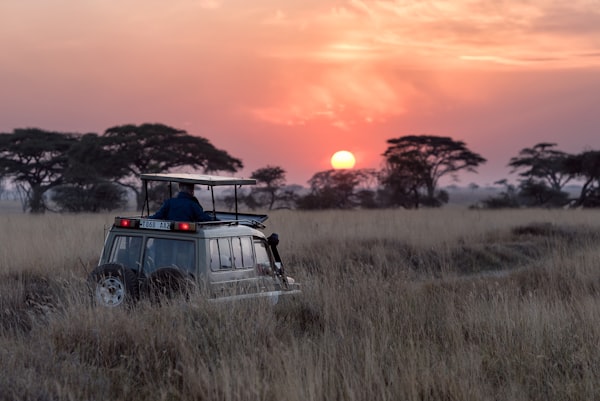
A game drive is a guided wildlife viewing excursion in a 4x4 safari vehicle. You travel through a national park or reserve with a professional guide who knows the area, tracks the animals, and positions the vehicle for the best sightings. Game drives happen in specially designed vehicles — typically Land Cruisers or Land Rovers — with pop-up roofs for 360-degree viewing and photography.
Unlike a zoo visit, there is no set path or predictable schedule. Animals move freely, and the guide follows their movements, using radio communication with other guides to locate wildlife. The experience is dynamic and unpredictable, which is exactly what makes it thrilling.
Typical Game Drive Schedule
Safari game drives follow a rhythm that matches animal behaviour. Most lodges and camps operate two game drives per day — one in the morning and one in the late afternoon.
Morning Game Drive (6:00 AM to 9:00 AM)
The morning drive is usually the best for wildlife. You leave camp before sunrise, often with a flask of coffee and something light to eat. The early hours are cool and quiet, and animals are most active as they hunt, feed, and move before the heat of the day. Predators like lions and leopards are often still active from overnight hunts, and the light at dawn is beautiful for photography.
The morning drive typically lasts three to four hours. You return to camp for a full breakfast and some rest during the hottest part of the day.
Afternoon Game Drive (3:30 PM to 6:30 PM)
The afternoon drive picks up as the temperature drops and animals become active again. This is prime time for predator activity, as lions and leopards begin stirring and hyenas start their patrols. The late afternoon light creates dramatic golden-hour conditions that photographers love.
Many guides time the afternoon drive to coincide with sunset, and it is common to enjoy a bush sundowner — a drink stopped in a scenic spot as the sun goes down. The drive ends after dark if night drives are permitted in the area.
What Happens During a Game Drive
The guide drives slowly along established tracks and sometimes off-road (where permitted) to get closer to animals. When wildlife is spotted, the vehicle positions itself for the best view. The guide will stop the engine and speak in a low voice, explaining what you are seeing — the animal's behaviour, its territory, its family group, and any interesting facts.
Good guides read animal body language. They know when a lion is about to move, when a herd of elephants is getting nervous, and when a leopard is about to descend from a tree. This knowledge transforms a simple sighting into a story, and it is what separates a great safari from a mediocre one.
Stops are made regularly for photography, birdwatching, and simply absorbing the landscape. Many guides carry binoculars and will pass them around for distant sightings. Some vehicles have charging ports for cameras and phones.
Vehicle Setup and Etiquette
Safari vehicles in Tanzania are typically modified Land Cruisers with three rows of seats and a pop-up roof. The roof raises to allow standing and unobstructed viewing. Windows are large and open, and the vehicles are designed for comfort on rough terrain.
There are unwritten rules on game drives. You stay seated unless the guide says it is safe to stand. You keep your voice low near animals. You do not reach outside the vehicle. You do not litter. And you respect the wildlife by maintaining a safe distance — the animals are wild and unpredictable.
Most vehicles carry between four and seven passengers on shared safaris, though private safaris use vehicles with just two to four guests. Private vehicles offer more flexibility and space.
The Guide's Role
Your guide is the single most important factor in your safari experience. A great guide is part driver, part tracker, part wildlife expert, and part storyteller. They know where animals are likely to be, how to approach them without disturbance, and how to read the bush for signs of wildlife.
Guides communicate with each other via radio, sharing sightings and location updates. This network of information means your guide often knows about a leopard sighting twenty minutes before you arrive. The best guides also know the history of individual animals — which lion pride rules which territory, which leopard has a den near the river, which elephant matriarch leads her herd through this area every year.
Pro Tip
Ask your guide questions. The more you engage, the more they will share. Guides love guests who are genuinely curious, and they will often go the extra mile to find special sightings for enthusiastic travellers.
Bush Stops
Many safari itineraries include a bush stop — a break in the middle of the morning drive where you stretch your legs, enjoy snacks or a packed breakfast, and take in the surroundings. These stops are usually in scenic locations, sometimes beside a river or under a large acacia tree.
Bush stops are a chance to step out of the vehicle, photograph the landscape, and feel the wilderness around you. Your guide will choose safe locations away from animal paths and water sources. Some luxury camps set up elaborate bush breakfasts with tables, chairs, and full service in the middle of the savannah.
What Makes a Great Game Drive
A great game drive is not just about seeing the Big Five. It is about the quality of the experience — the light, the landscape, the animal behaviour, and the story that unfolds. Some of the most memorable game drives involve watching a single lion pride for an hour, observing the complex social dynamics of a elephant herd, or simply sitting in silence as a herd of wildebeest moves across the plain.
The guide makes the difference. A knowledgeable, passionate guide will turn every sighting into a lesson about ecology, behaviour, and conservation. They will point out things you would never notice on your own — the way a birdAlarm call changes when a predator approaches, the tracks in the sand that reveal a leopard passed through hours ago, the subtle shift in elephant body language that means they are about to move.
Tips for Your First Game Drive
- Listen to your guide. They know the bush better than you ever could. Follow their instructions on safety and positioning.
- Be patient. Not every drive will produce a dramatic sighting. Some of the best safari moments are quiet and subtle.
- Bring binoculars. A good pair of 8x42 or 10x42 binoculars will transform distant sightings into intimate encounters.
- Dress in layers. Mornings are cold, midday is hot, and evenings cool down again. Layers let you adjust throughout the day.
- Charge your camera. Make sure your batteries are full before each drive. Bring spare batteries and memory cards.
- Stay hydrated. The dry air and excitement can dehydrate you quickly. Drink water regularly.
- Ask questions. Your guide is a wealth of knowledge. The more you ask, the more you learn and the better the experience becomes.
The game drive is where safari magic happens. It is not just about what you see — it is about the silence between sightings, the light on the plains, and the feeling of being a guest in the wild.
Whether it is your first game drive or your fiftieth, the thrill of heading out into the bush at dawn never fades. Each drive is different, each day brings new encounters, and each sighting reminds you why Tanzania is one of the greatest wildlife destinations on Earth.