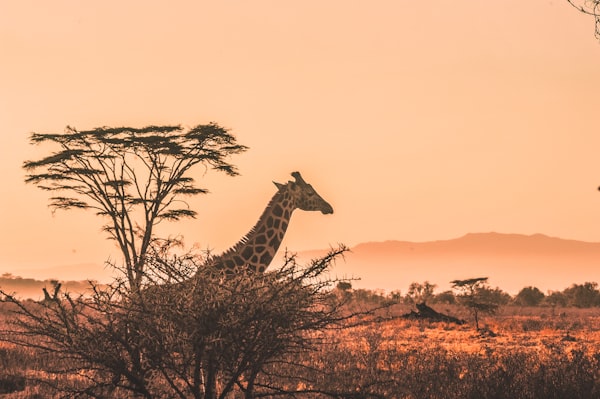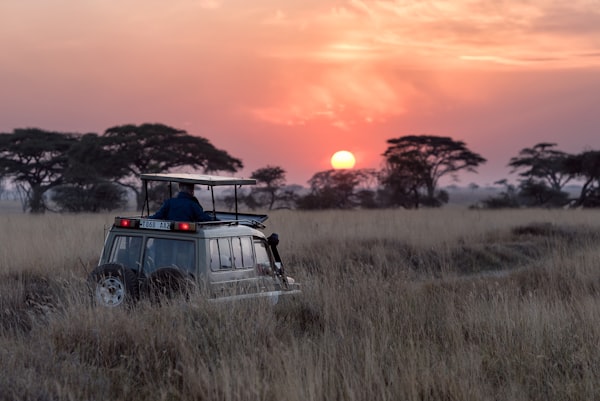
When you book a Tanzania safari, you are doing more than just planning a holiday. You are directly contributing to the conservation of one of the most important wildlife areas on earth. Every park fee, every lodge stay, and every guided game drive plays a role in protecting the animals and landscapes that make Tanzania so extraordinary.
Understanding how your safari supports conservation can deepen your appreciation of the experience and help you make more informed choices as a responsible traveller. Here is how your trip helps protect Tanzania's wildlife.
Where Your Park Fees Go
Tanzania's national parks charge entrance fees for both vehicles and visitors. These fees are managed by the Tanzania National Parks Authority (TANAPA) and are a primary source of funding for conservation activities. The fees vary by park and visitor category, but they represent a significant investment in wildlife protection.
A portion of every park fee goes directly to anti-poaching operations. This includes funding ranger patrols, purchasing equipment, maintaining surveillance systems, and supporting intelligence networks that track poaching activities. The Serengeti alone employs hundreds of rangers who patrol the park around the clock, protecting animals from illegal hunting.
Park fees also fund habitat management, including controlling invasive species, managing fire regimes, maintaining water sources, and monitoring ecosystem health. These activities ensure that the habitats remain healthy and productive for the wildlife that depends on them. Without active management, many of Tanzania's ecosystems would degrade over time, reducing their capacity to support wildlife.
Infrastructure maintenance is another critical use of park fees. Roads, bridges, fences, and visitor facilities all require regular maintenance and upgrades. Good infrastructure ensures that parks can be managed effectively and that visitors can access wildlife areas safely without damaging the environment.
Conservation Success Stories
Black Rhino Recovery
Tanzania's black rhino population was decimated by poaching in the 1970s and 1980s, dropping from several thousand to just a few hundred individuals. Through intensive conservation efforts, including anti-poaching patrols, habitat protection, and breeding programs, the population has recovered significantly. Today, Tanzania is home to over 200 black rhinos, one of the largest populations in Africa.
The Ngorongoro Crater is one of the most successful rhino conservation areas in the world. The enclosed ecosystem of the crater provides natural protection, and intensive monitoring ensures that the rhinos are safe from poaching. Seeing a black rhino in the crater is one of the most rewarding experiences on safari, knowing that your presence supports their continued recovery.
Elephant Population Growth
Tanzania's elephant population has grown significantly in recent years, reaching over 60,000 individuals. This recovery is the result of improved anti-poaching efforts, better law enforcement, and community conservation programs that reduce human-elephant conflict. The Tarangire ecosystem is home to one of the largest elephant populations in East Africa, and your park fees directly support their protection.
Anti-poaching patrols, aerial surveillance, and intelligence networks have all contributed to reducing elephant poaching. While the threat remains, the results demonstrate that conservation efforts can make a real difference when properly funded and supported.
Lion Conservation
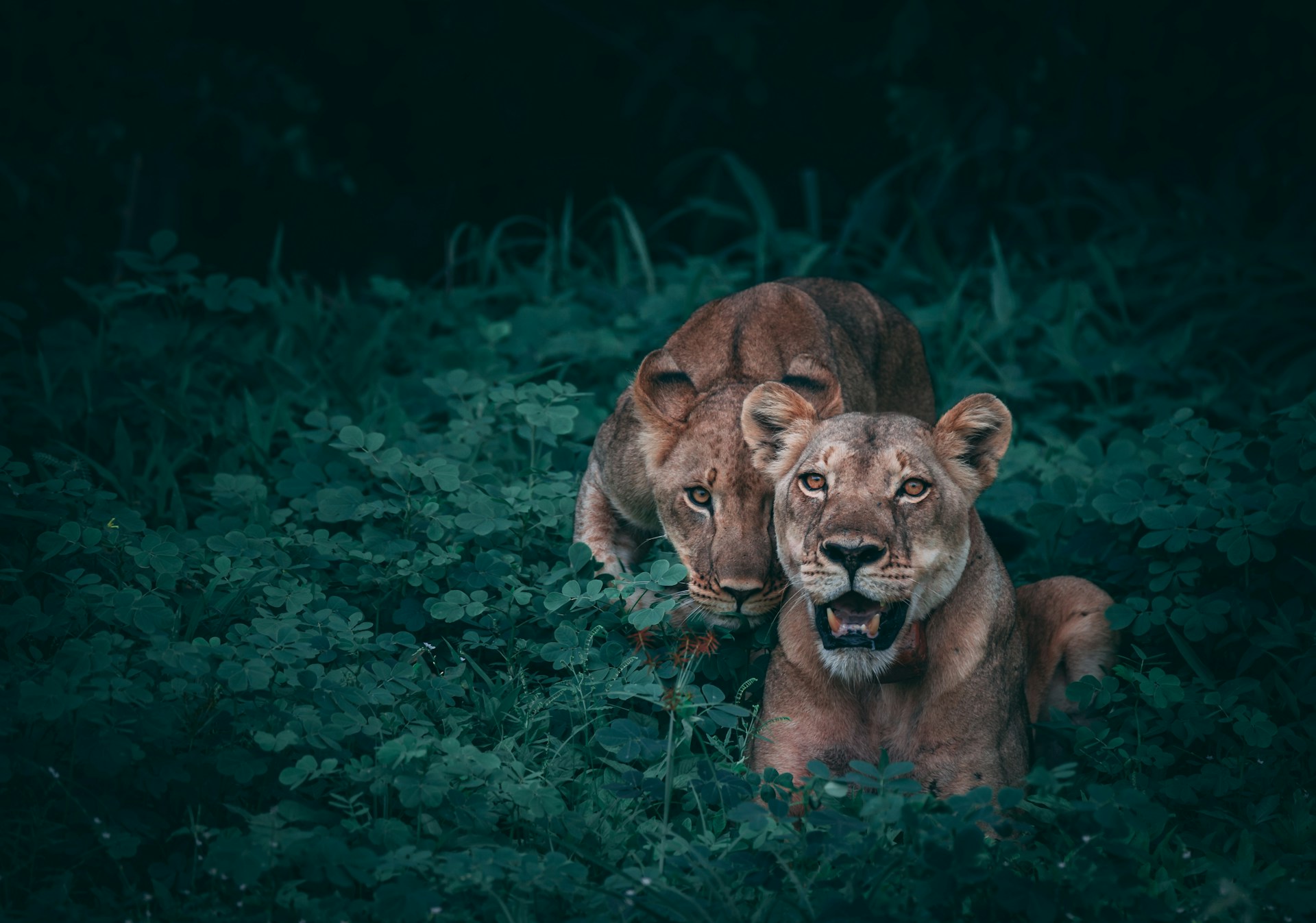
Lions face increasing pressure from habitat loss, human-wildlife conflict, and prey depletion. Tanzania is home to the largest lion population in Africa, with over 2,000 individuals. Conservation programs focused on protecting lion habitat, reducing conflict with pastoralists, and monitoring population trends have helped stabilise numbers in key areas.
The Serengeti ecosystem supports one of the healthiest lion populations in Africa, and research programs funded by tourism revenue provide critical data for conservation management. Your safari contributes to these efforts, ensuring that lions continue to thrive in their natural habitat.
Your Impact
A single park fee of $60 per person per day might seem small, but when multiplied by thousands of visitors each year, it amounts to millions of dollars for conservation. Your safari is not just a holiday. It is a direct investment in the future of Tanzania's wildlife.
Community Conservancies
One of the most important developments in Tanzanian conservation is the growth of community conservancies. These are areas managed by local communities who have agreed to protect wildlife and their habitat in exchange for direct benefits from tourism. The model has been remarkably successful, creating incentives for conservation that extend beyond national park boundaries.
Community conservancies generate revenue through lodge operations, guide services, and cultural tourism activities. This income provides employment, supports schools and healthcare, and funds community development projects. When communities benefit directly from wildlife, they become its strongest protectors.
The Ngorongoro Conservation Area is a prime example of this model. The Maasai people who live within the area have agreed to coexist with wildlife, and their stewardship has helped maintain one of the most important ecosystems in East Africa. Your visit to the Ngorongoro Crater supports this partnership between people and wildlife.
Responsible Tourism Operators
Choosing a responsible safari operator is one of the most impactful decisions you can make as a traveller. Responsible operators follow strict guidelines for wildlife viewing, minimise their environmental impact, and contribute directly to conservation and community development.
Look for operators who employ local guides and staff, support community projects, and follow sustainable practices such as waste management, water conservation, and renewable energy use. These operators understand that their business depends on healthy ecosystems and thriving communities, and they invest accordingly.
Many operators also contribute directly to conservation through donations, research partnerships, and habitat restoration projects. When you book with a responsible operator, your safari dollars go further in supporting conservation efforts.
What You Can Do
Make Ethical Choices
Before booking your safari, research operators and lodges to understand their conservation commitments. Choose operators who are transparent about their practices and who demonstrate genuine commitment to sustainability. Ask about their environmental policies, community relationships, and conservation contributions.
Avoid operators who offer unsustainable practices such as off-road driving in sensitive areas, getting too close to wildlife, or visiting communities without proper cultural sensitivity. These practices harm conservation efforts and undermine the sustainability of the tourism industry.
Support Conservation Projects
Many conservation organisations in Tanzania accept donations from visitors. The Serengeti Trust, the Ngorongoro Conservation Area Authority, and the Tanzania Wildlife Research Institute all welcome contributions that support their work. Even small donations can make a difference when combined with the contributions of other visitors.
Some lodges and camps have their own conservation funds that you can contribute to during your stay. These funds often support specific projects such as anti-poaching patrols, community schools, or habitat restoration. Ask your lodge about their conservation initiatives and how you can support them.
Respect Wildlife and Habitat
During your safari, follow your guide's instructions at all times. Stay in the vehicle unless your guide says it is safe to leave, maintain a respectful distance from wildlife, and never feed or attempt to touch animals. These rules are not just for your safety. They protect the animals and ensure that wildlife viewing remains sustainable.
Do not collect souvenirs from the natural environment, such as shells, stones, or plants. These items may seem insignificant, but removing them from the ecosystem can have cumulative effects. Leave the natural environment exactly as you found it for future visitors and for the wildlife that depends on it.
TANAPA Efforts
The Tanzania National Parks Authority manages 16 national parks and several game reserves, covering over 30 percent of the country's land area. TANAPA is responsible for protecting these areas from poaching, habitat destruction, and other threats, while also facilitating sustainable tourism.
TANAPA employs thousands of rangers who patrol the parks daily, monitoring wildlife and deterring illegal activities. They also conduct research, manage habitats, and maintain infrastructure. The effectiveness of TANAPA depends on adequate funding, which comes primarily from tourism revenue.
In recent years, TANAPA has invested in technology to enhance conservation efforts, including aerial surveillance, camera traps, and GPS tracking systems. These tools provide critical data for managing wildlife populations and responding to threats. Your park fees contribute to these technological investments, making conservation more effective and efficient.
Future Challenges
Despite the successes, Tanzania faces significant conservation challenges. Climate change is altering rainfall patterns and temperatures, affecting habitats and wildlife populations. Human population growth increases pressure on natural areas as communities expand into wildlife habitats. Poaching remains a persistent threat, particularly for elephants and rhinos.
Addressing these challenges requires sustained investment in conservation, strong partnerships between government, communities, and the private sector, and continued support from responsible tourism. Your safari is part of this solution, providing the funding and incentive that make conservation possible.
Every safari traveller is a conservationist. By visiting Tanzania and contributing to its parks and communities, you are playing a direct role in protecting some of the most important wildlife areas on earth. Your presence makes a difference.
A Tanzania safari is not just an adventure. It is an investment in the future of wildlife. Every park fee you pay, every lodge you stay in, and every guide you employ contributes to the protection of the animals and landscapes that make this country so special. Travel with purpose, and your safari will leave a lasting positive impact on the wild places you came to love.