While the Serengeti and Ngorongoro dominate Tanzania's safari reputation, the southern circuit offers a completely different experience. Nyerere National Park (formerly the Selous Game Reserve) and Ruaha National Park are two of the largest and wildest protected areas in Africa, and they receive a fraction of the visitors that the northern parks attract.
If you want true wilderness, minimal crowds, and some of the best wildlife viewing in East Africa, southern Tanzania deserves serious consideration. This guide covers both parks, how they compare, and how to plan a trip to this remote and rewarding region.
Nyerere National Park (Selous)
Nyerere National Park is one of the largest protected areas in Africa, covering approximately 50,000 km². It was redesignated from the Selous Game Reserve in 2019, though many operators still refer to it as the Selous. The park is a UNESCO World Heritage Site and one of the last truly wild places on the continent.
Wildlife
Nyerere is home to one of the largest populations of wild dogs in Africa, with an estimated 1,500 individuals. The park also supports large numbers of elephants, buffalo, hippos, crocodiles, lions, and leopards. The Rufiji River, which flows through the heart of the park, is the lifeblood of the ecosystem and supports one of the largest concentrations of hippos and crocodiles in Africa.
The park is also known for its excellent walking safaris and boat safaris, which provide completely different perspectives from traditional game drives. Walking through the miombo woodland with an armed ranger, or floating down the Rufiji River past hippos and crocodiles, are experiences unique to the southern circuit.
Activities
Nyerere offers the most varied activities of any park in Tanzania. Game drives are the primary activity, but walking safaris, boat safaris, and fly camping (sleeping in simple tents in remote areas) add dimensions that northern parks cannot match. The combination of activities creates a more immersive wilderness experience.
Boat safaris on the Rufiji River are particularly special. You drift past pods of hippos, basking crocodiles, and elephants coming to drink. The birdlife along the river is exceptional, with fish eagles, palm-nut vultures, and malachite kingfishers commonly seen.
Accommodation
Nyerere has a range of lodges and camps, from luxury tented camps to permanent lodges. Most are located along the Rufiji River or in the central areas of the park. The camps are smaller and more intimate than many northern circuit properties, with personal service and exclusive experiences.
Ruaha National Park
Ruaha is Tanzania's largest national park, covering approximately 20,226 km². It is also one of the least visited, with fewer than 1,000 visitors per year in some areas. The park is named after the Great Ruaha River, which flows along its eastern border and supports an extraordinary concentration of wildlife.
Wildlife
Ruaha has the largest elephant population in East Africa, with an estimated 10,000 to 12,000 individuals. The park also supports significant populations of lions, leopards, wild dogs, cheetahs, buffalo, and a variety of antelope including the rare sable and roan. The diverse terrain — from open plains to rocky hills to riverine forest — supports an impressive range of species.
The park is particularly known for its large predator populations. Ruaha has one of the highest concentrations of lions in Africa, and the combination of lions, leopards, cheetahs, and wild dogs in a single park is remarkable. The park's remoteness means predators are less habituated to vehicles, making sightings feel more authentic and wild.
Activities
Game drives are the primary activity in Ruaha, with the best wildlife viewing along the Great Ruaha River and in the western areas of the park. Walking safaris are available in the buffer zones and private concessions, and night drives are permitted in some areas. The rugged terrain and remote setting make Ruaha feel like a true wilderness adventure.
Accommodation
Ruaha has a small number of excellent lodges and camps, mostly concentrated along the Great Ruaha River. Properties range from luxury tented camps to more modest lodges. The small number of camps means low visitor density and exclusive experiences.
Southern Circuit Summary
Nyerere offers water-based activities and the best wild dog viewing. Ruaha offers the largest elephant population and the most remote wilderness experience. Together, they provide a southern Tanzania safari that rivals the northern circuit for wildlife and exceeds it for solitude and authenticity.
Comparison with the Northern Circuit
The northern and southern circuits offer fundamentally different experiences. The northern circuit — Serengeti, Ngorongoro, Tarangire, Manyara — is more accessible, has better infrastructure, and receives far more visitors. The wildlife is spectacular, particularly during the migration, but you will share sightings with other vehicles.
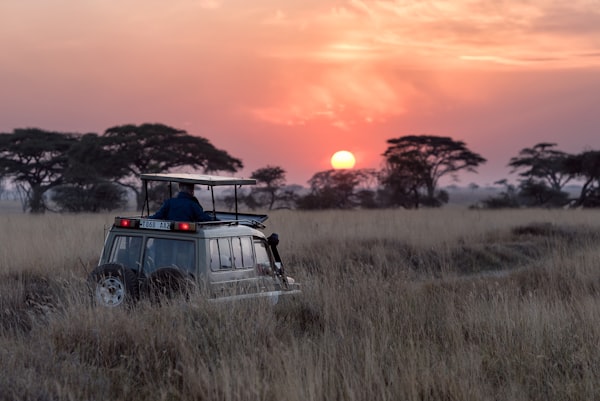
The southern circuit is remote, wild, and quiet. You might go an entire day without seeing another vehicle. The wildlife is equally impressive, and the combination of activities — game drives, walking safaris, boat safaris — creates a more varied experience. The trade-off is longer travel times, fewer accommodation options, and higher costs.
For first-time safari visitors, the northern circuit is often the better choice — it delivers the classic safari experience with reliable wildlife sightings and comfortable logistics. For experienced safari travellers who want something different, the southern circuit is a revelation.
Getting There
Both Nyerere and Ruaha are reached by light aircraft from Dar es Salaam or Arusha. The flights take approximately one to two hours and are scenic experiences in themselves, offering aerial views of the Rufiji River, the Rift Valley, and the southern highlands.
Nyerere is also accessible by road from Dar es Salaam (approximately five to six hours), though the flight is recommended for comfort and time. Ruaha is best reached by air — the road journey from Dar es Salaam takes over ten hours.
Most southern circuit safaris begin in Dar es Salaam, fly to Nyerere for three to four nights, then fly to Ruaha for another three to four nights before returning to Dar es Salaam or connecting to the coast for beach relaxation.
Best Time to Visit
The dry season from June to October is the best time to visit both Nyerere and Ruaha. During these months, animals concentrate around the remaining water sources, making them easier to find. The vegetation is thinner, improving visibility. The weather is warm and dry, with comfortable temperatures for game drives and walking safaris.
The wet season from November to May brings lush green landscapes and excellent birdwatching. Many camps close during the heaviest rains of March and May, but November and December offer good wildlife viewing with fewer visitors and lower prices.
Nyerere is accessible year-round, though some roads become difficult during the rains. Ruaha typically closes many camps from March to May due to heavy rainfall and inaccessible roads.
Who Should Go
The southern circuit is ideal for travellers who want a true wilderness experience. If you value solitude, authenticity, and the feeling of being in untouched Africa, Nyerere and Ruaha deliver. They are excellent for repeat safari visitors who have already done the northern circuit and want something different.
The southern circuit also suits photographers who want uncluttered scenes and unique perspectives — boat safaris, walking safaris, and remote game drives provide photographic opportunities that northern parks cannot match.
Families with older children (twelve and above) will enjoy the southern circuit, particularly the combination of activities. Walking safaris and boat safaris add variety and engagement that children love.
The southern circuit is Tanzania's best-kept secret. Wild, remote, and uncrowded, Nyerere and Ruaha offer an Africa that most visitors never see — and those who do return home with stories that no Serengeti safari can match.
If your Tanzania safari budget and time allow, adding the southern circuit to your itinerary creates a complete and balanced trip. The combination of the northern circuit's iconic parks and the southern circuit's wild wilderness delivers the ultimate Tanzania experience.