Safari photography is one of the most rewarding genres of wildlife photography, but knowing what to shoot and when to shoot it can dramatically improve your results. The lighting conditions, animal behaviour, and landscapes in Tanzania change throughout the year, creating distinct photographic opportunities in each season.
This month-by-month guide will help you plan your safari around the best photographic subjects, understand the lighting conditions you will encounter, and prepare the right gear for each season. Whether you are a seasoned wildlife photographer or a traveller with a smartphone, these insights will help you capture stunning images.
January to March: Calving Season and Green Landscapes
January
January is one of the most visually dramatic months for safari photography. The calving season begins in the southern Serengeti and Ndutu plains, with hundreds of thousands of wildebeest giving birth. The green landscapes provide a vibrant backdrop that makes photographs pop with colour and life.
The light in January is warm and relatively soft, with the sun lower in the sky than during the dry months. This creates excellent conditions for portrait work with animals against the green grasslands. Predator-prey interactions are frequent, giving photographers the chance to capture raw moments of nature in action. Early morning and late afternoon light is particularly beautiful, casting long shadows across the plains.
February
February is the peak of calving season and offers some of the best wildlife photography opportunities of the year. The sheer volume of animals is staggering, with herds stretching to the horizon and predators constantly on the prowl. Cheetahs are particularly active during this period, and their hunts provide incredible photographic sequences.
The green season landscapes offer a completely different aesthetic from the dry months. The lush vegetation creates beautiful foreground elements, and the dramatic cloud formations add depth and mood to wide-angle shots. The golden hour light is exceptional, with warm tones that bring out the rich colours of the savanna.
March
March marks the transition from the dry short rains to the long rains. The landscapes are at their most lush and green, and the birdlife is spectacular. Migratory birds from Europe and Asia are present in large numbers, providing excellent opportunities for bird photography.
The light begins to soften further as the rains approach, and the skies become more dramatic with building storm clouds. This creates opportunities for atmospheric landscape photography with powerful skies as backdrops. The evening light is particularly warm and golden, making it ideal for silhouettes and backlit subjects.
April to May: Dramatic Skies and Low Crowds
April
April brings the long rains, and while this might seem like a challenge for photography, it actually creates some of the most dramatic conditions of the year. The storm clouds build throughout the day and create incredible backdrops for wildlife photography. Dark skies contrasting with sunlit animals produce images with incredible depth and mood.
The rain usually falls in the afternoon, leaving the mornings and evenings clear for game drives. The light during these clear periods is exceptional, with the moisture in the air creating a soft, diffused quality that is perfect for portrait work. The green landscapes are at their most vibrant, and the fewer tourists mean you often have prime photography positions to yourself.
May
May is the wettest month, but it also offers some of the best photographic value. The crowds have dropped off dramatically, and the lodge rates are at their lowest. For photographers who do not mind getting caught in occasional showers, May delivers extraordinary opportunities.
The rain-washed landscapes have a clarity and freshness that is hard to capture during the dry months. The clouds are dramatic and constantly changing, creating shifting light conditions that reward patience and flexibility. Early morning game drives often catch animals in misty, atmospheric conditions that produce truly magical images.
June to October: Dry Season and Golden Light
June
June marks the beginning of the peak dry season, and the photographic opportunities shift as the landscape transforms. The grass begins to dry and shorten, making animals easier to spot and photograph. The migration herds move through the western Serengeti, providing opportunities for dramatic river crossing images.
The light in June is exceptional. The sun is slightly lower in the sky than during the peak months, creating longer shadows and warmer tones. The dust in the air adds a golden quality to the light that is highly sought after by wildlife photographers. Early morning game drives often produce images with beautiful warm tones and long, dramatic shadows.
July
July is one of the best months for safari photography. The dry conditions mean animals are concentrated around water sources, making them easier to find and photograph. The Grumeti River crossings provide opportunities for dramatic action shots as wildebeest face crocodiles and strong currents.
The golden hour light in July is among the best of the year. The sun rises and sets with a rich, warm quality that brings out the textures and colours of the savanna. The dust kicked up by animal herds creates beautiful atmospheric effects, and the clear skies provide excellent conditions for landscape photography.
August
August is the peak of the dry season and offers some of the most reliable photographic conditions of the year. The vegetation is at its driest and shortest, providing clear sightlines for photography. Animals are highly active and concentrated, increasing the chances of capturing dramatic moments.
The Mara River crossings reach their peak in August and September, providing opportunities for some of the most dramatic wildlife photography on earth. The combination of desperate wildebeest, waiting crocodiles, and powerful currents creates images that tell powerful stories of survival and instinct.
September
September continues the peak dry season with excellent photographic conditions. The northern Serengeti and Mara Triangle offer outstanding opportunities for photographing the migration crossings. The light remains warm and golden, and the clear skies provide beautiful blue backdrops for wildlife portraits.
The dust in the air during September creates opportunities for stunning silhouettes and backlit images. Animals moving through the dusty landscape leave trails that catch the light beautifully, and the long shadows of early morning and late afternoon add drama and depth to compositions.
October
October marks the end of the dry season and the transition to the short rains. The first rains usually arrive in late October, bringing fresh green growth and changing the photographic landscape. The light remains excellent throughout the month, with warm tones and dramatic skies.
This is an excellent month for capturing transitional moments as the landscape begins to change. The contrast between dry and green areas creates interesting photographic opportunities, and the building clouds add drama to landscape shots. The migration herds begin moving south, providing final opportunities for crossing images.
November to December: Baby Animals and Green Renewal
November
November brings the short rains, which are lighter and more unpredictable than the long rains. The landscapes begin to green up, and the birdlife picks up as migratory species arrive from Europe and Asia. This is an excellent month for bird photography, with many species in breeding plumage.
The light in November is soft and diffused, which is excellent for portrait work and reduces harsh shadows. The green landscapes provide beautiful backgrounds, and the fewer tourists mean more opportunities for unobstructed shots. Baby animals are common during this period, providing adorable photographic subjects.
December
December brings the start of the calving season preparations in the south. The landscapes are lush and beautiful, and the combination of good weather, fewer tourists, and excellent wildlife makes this one of the best value periods for safari photography. The light is warm and the skies are often dramatic.
The green season landscapes offer a completely different aesthetic from the dry months, with rich colours and beautiful vegetation. The birdlife is outstanding, and the baby animals born during this period provide excellent photographic subjects. The golden hour light is particularly beautiful during December, with warm tones that bring out the best in the savanna.
Best Light for Photography
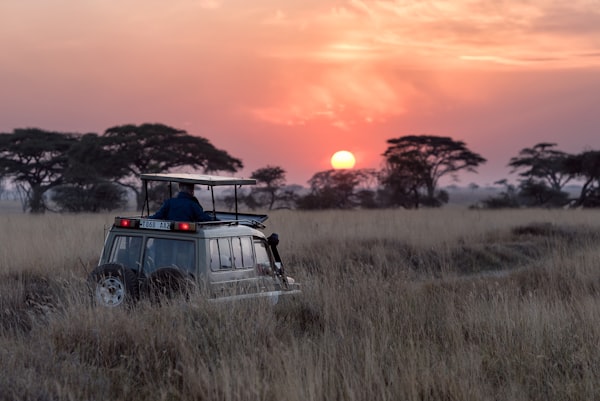
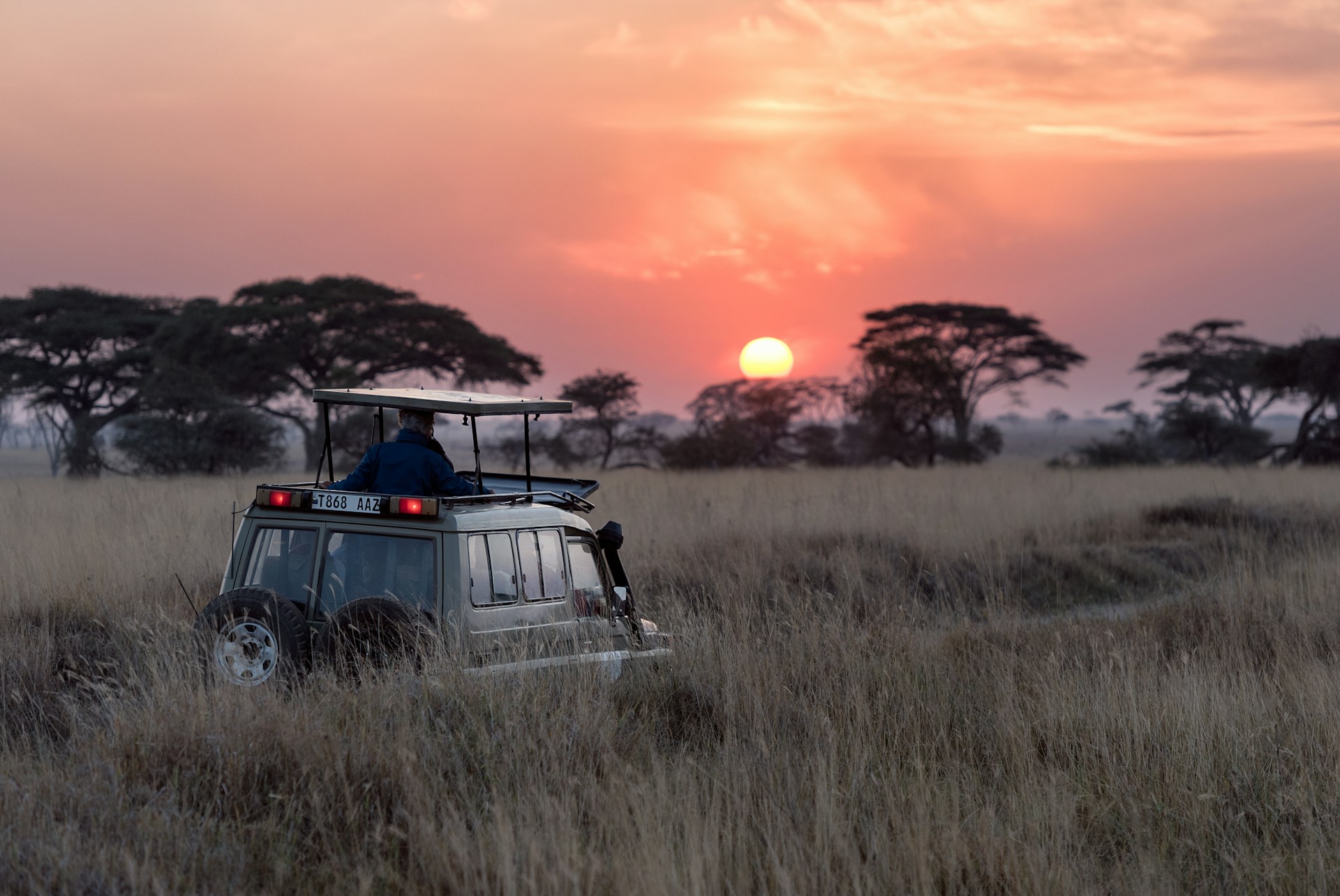
The golden hour — the period shortly after sunrise and before sunset — consistently produces the best safari photographs. During these times, the light is warm, soft, and directional, creating beautiful textures and long shadows. Plan your game drives to coincide with these magical hours for the best results.
Equipment Recommendations by Season
Your choice of equipment can make a significant difference in your safari photographs. Here is a guide to the best gear for each season in Tanzania.
For the green season from January to March and November to December, bring lenses that handle lower light conditions well. A 70-200mm f/2.8 is excellent for portraits and action shots, while a wide-angle lens captures the lush landscapes. A polarising filter helps manage reflections and enhances the rich colours of the green vegetation.
For the dry season from June to October, a 100-400mm or 200-500mm telephoto lens is essential for capturing distant subjects. The clear air and golden light make these months ideal for sharp, detailed wildlife portraits. A bean bag or window mount helps stabilise your camera during vehicle-based game drives.
For the rainy months of April and May, weather-sealed cameras and lenses are essential. A rain cover for your camera bag and a microfibre cloth for keeping lenses dry are also important. The dramatic skies of these months are best captured with a wide-angle lens and a tripod for stability during low-light conditions.
Post-Processing Tips for Safari Images
The digital darkroom is where good safari images become great ones. Here are some tips for processing your Tanzania photographs to bring out their best qualities.
For green season images, boost the vibrance and saturation slightly to enhance the rich colours of the vegetation. Use a graduated filter to balance the exposure between bright skies and darker foregrounds. Sharpening and noise reduction should be applied carefully to maintain detail while keeping images clean.
For dry season images, warm up the white balance slightly to enhance the golden light. The dust in the air during these months creates beautiful atmospheric effects that can be enhanced with subtle contrast adjustments. Black and white conversions work particularly well with dry season images, especially those with strong shadows and textures.
The best safari photograph is not necessarily the sharpest or most perfectly exposed. It is the one that tells a story and captures the emotion of the moment. Focus on telling stories, and the technical excellence will follow.
Whether you are photographing the dramatic river crossings of the migration, the tender moments of calving season, or the quiet beauty of the green landscapes, Tanzania offers photographic opportunities that will challenge and inspire you throughout the year. Plan your trip around the photographic calendar, and you will come home with images that truly capture the magic of the African wilderness.