Kosovo Camp is one of the lesser-known but strategically important camps on Mount Kilimanjaro. Sitting at approximately 4,700 metres on the northern side of the mountain, it serves as a critical acclimatization stop on the Northern Circuit route and occasionally on the Rongai route. Understanding what Kosovo Camp offers — and why experienced operators include it in their itineraries — will help you appreciate its role in your summit success.
Why Kosovo Camp Matters
The Strategic Importance of Kosovo Camp
Kosovo Camp plays a vital role in the Northern Circuit route's acclimatization strategy. After crossing the remote northern flank of Kilimanjaro — the quietest section of the mountain — climbers reach Kosovo Camp as a high-altitude staging point before the final approach to School Hut and then the summit. The camp's position at 4,700 metres makes it one of the highest sleeping points on the mountain, and spending a night here is a deliberate part of the acclimatization process that gives the Northern Circuit its exceptional 97% summit success rate.
What Kosovo Camp Is Like
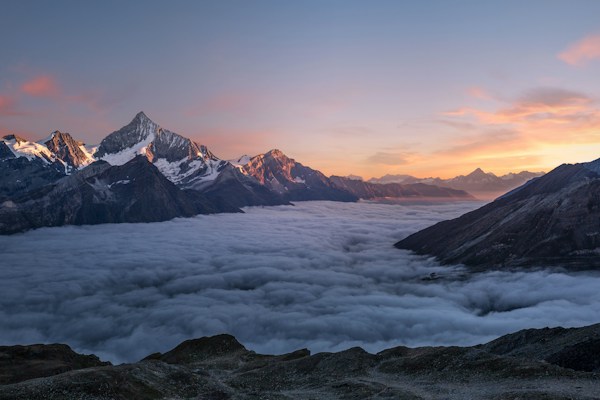
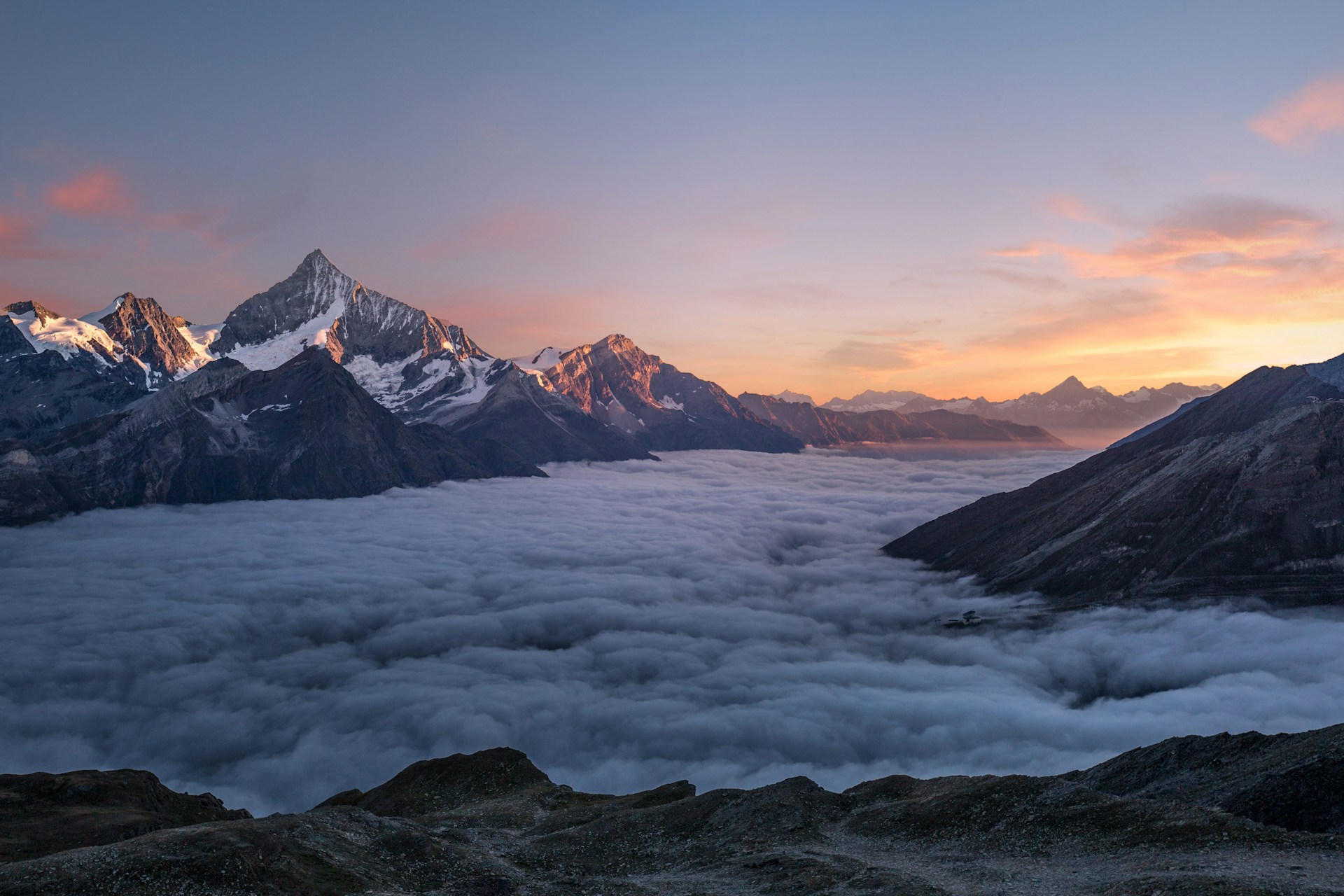
Kosovo Camp sits on a barren, rocky plateau with sweeping views of the Kenyan plains to the north and the Mawenzi Peak to the south. The terrain is stark and otherworldly — volcanic rock, sparse vegetation, and the feeling of being on the edge of the world.
The camp itself is basic, with tented accommodation similar to other high-altitude camps on Kilimanjaro. There are no permanent structures — everything is temporary, set up by your porter team. The ground is rocky and uneven, so a good sleeping pad is essential for comfort.
Despite its remote feel, Kosovo Camp is well-maintained by the park authorities. Toilet facilities are available, and the camping areas are clearly designated. The isolation is part of its appeal — you are far from the crowds that characterise the more popular routes.
Facilities at Kosovo Camp
Tented Accommodation
Two-person tents on rocky ground. A good sleeping pad rated to -15°C is essential at this altitude.
Toilet Facilities
Basic long-drop latrines. Functional but minimal. Shared among groups at the camp.
Meals
Full meals prepared by your camp cook. Hot dinner, breakfast, and packed lunch for the next day.
Water
Water carried by porters or melted from snow. No running water. Bring purification tablets as backup.
The Day-by-Day Timeline at Kosovo
Reach Kosovo Camp
Arrive after a long day trekking across the northern plateau. The views are spectacular — Mawenzi Peak and the Kenyan plains stretch to the horizon.
Rest & Hydrate
Rest immediately in your tent. Drink at least 2 litres of water. Eat a light snack. Your body is adapting to 4,700m altitude.
Dinner & Briefing
Hot dinner served in the mess tent. Guide briefs you on the next day's plan — the traverse to School Hut or Barafu.
Sleep at Altitude
Sleep may be difficult due to altitude. Headaches and restless breathing are normal. Rest your body even if you cannot sleep deeply.
Continue the Traverse
Depart Kosovo Camp early, traversing towards School Hut or Barafu Camp for the summit attempt.
Why Experienced Operators Choose Kosovo
The Northern Circuit route, which includes Kosovo Camp, achieves a 97% summit success rate — the highest of any Kilimanjaro route. This is directly related to the acclimatization profile that Kosovo Camp provides.
By sleeping at 4,700 metres, your body is exposed to high-altitude conditions for an extended period. This exposure stimulates red blood cell production, increases breathing rate, and helps your body adapt more thoroughly than routes that skip this altitude entirely.
The Northern Circuit's 9-day itinerary allows for this kind of deliberate acclimatization, which is why it has the highest success rate despite being the longest route.
Tips for Your Night at Kosovo
Hydrate Aggressively
Drink 3–4 litres of water throughout the day and evening. Altitude dehydration is real at 4,700m.
Eat Even If Not Hungry
Force yourself to eat dinner. Your body needs fuel for the next day's traverse and the eventual summit push.
Layer Up for Sleep
Temperatures drop well below freezing. Wear all your warm layers and use a sleeping bag rated to -15°C minimum.
Rest, Don't Explore
Save energy for the days ahead. Lie down, elevate your feet, and let your body adapt to the altitude.
Who Should Consider Kosovo Camp?
- Northern Circuit climbers: Kosovo Camp is a standard stop on the 9-day Northern Circuit, the route with the highest summit success rate.
- Experienced trekkers: Those seeking solitude and a less crowded experience will appreciate Kosovo's remote location.
- Climbers prioritizing acclimatization: Sleeping at 4,700m gives your body extra time to adapt before the summit push.
- Photographers: The northern views of Mawenzi and the Kenyan plains are exceptional, especially at sunrise and sunset.
Kosovo Camp represents the philosophy of the Northern Circuit: take your time, acclimatize properly, and give yourself the best possible chance of reaching the summit. It is not the most glamorous camp, but it is one of the most effective.
Ready to Experience Kosovo Camp?
Our Northern Circuit itineraries include Kosovo Camp as part of the optimal acclimatization strategy. Book your climb today.