The Great Rift Valley is one of the most dramatic geological features on Earth, and Tanzania sits squarely along its eastern branch. This massive tectonic trench stretches from the Red Sea to Mozambique, and within Tanzania it creates a chain of lakes, escarpments, and volcanic landscapes that form the backbone of some of the country's best safari destinations.
A safari along Tanzania's Great Rift Valley combines stunning scenery, extraordinary wildlife, and cultural encounters that are unlike anything else in East Africa. This guide covers the key stops, what to see, and how to include the Rift Valley in your Tanzania itinerary.
What Is the Great Rift Valley?
The Great Rift Valley is a continental rift zone where the African tectonic plate is slowly splitting apart. In Tanzania, the rift creates a series of lakes in deep basins flanked by dramatic escarpments. These lakes are fed by rivers and underground springs, and their varying chemistry — from freshwater to highly alkaline — creates diverse habitats for wildlife.
The rift runs roughly north to south through central and northern Tanzania, passing through or near several national parks and game reserves. The combination of water, escarpment, and varied habitats makes the Rift Valley one of the most biologically diverse regions in East Africa.
Lake Manyara: The Escarpment Lake
Lake Manyara is the first major Rift Valley stop on the northern safari circuit. The park sits at the base of the 600-metre Rift Valley escarpment, which rises dramatically behind the lake. The contrast between the escarpment wall, the groundwater forest, and the alkaline lake creates one of the most scenic parks in Tanzania.
What to See
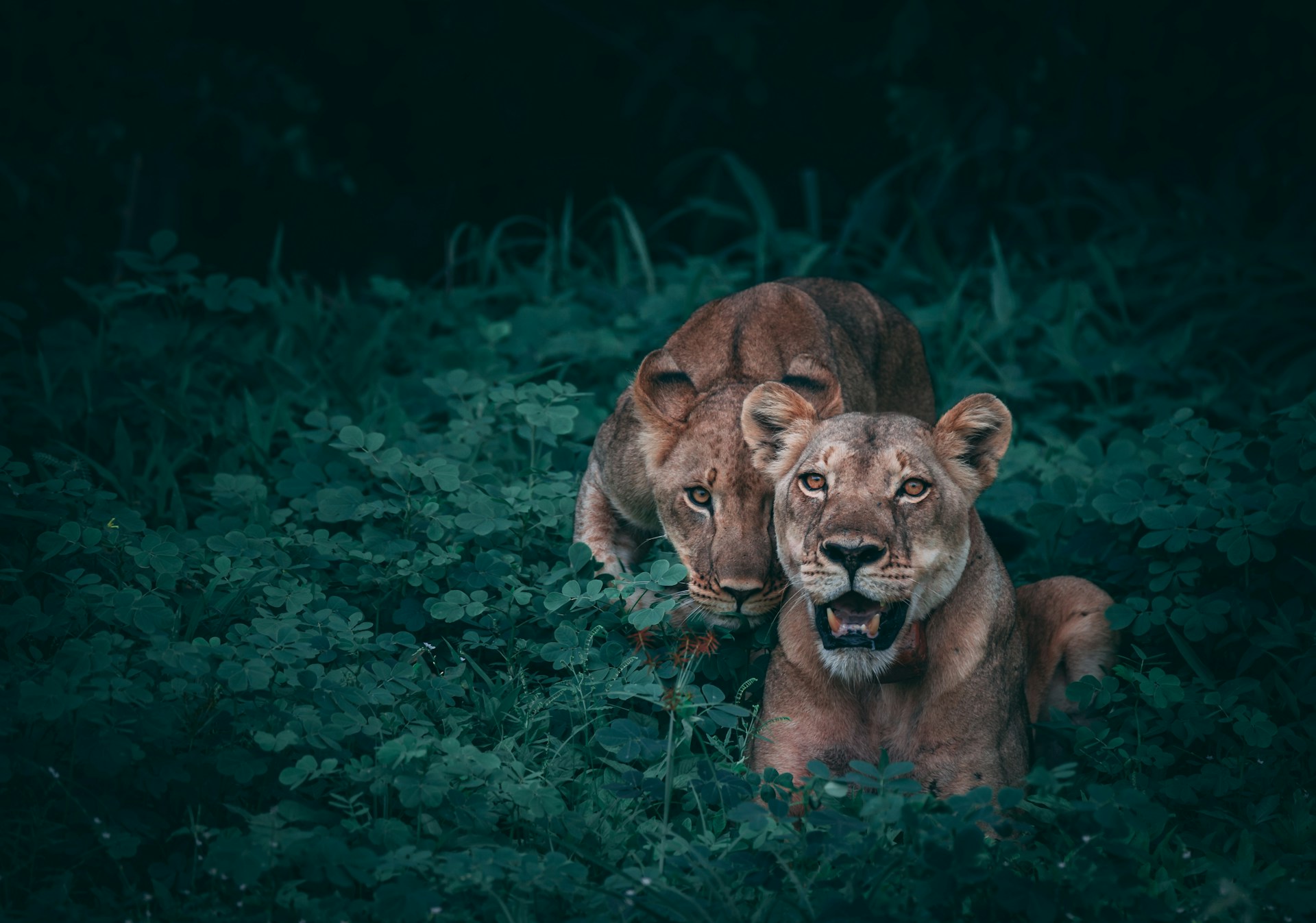
Lake Manyara is famous for its tree-climbing lions, which rest in the branches of acacia trees to escape the heat and insects. The behaviour is unusual and makes for excellent photographs. The park also supports large herds of elephants, giraffes, zebras, and hippos along the lake shore.
Flamingos gather on the alkaline lake in large numbers, typically from November to April when water levels are right. The combination of flamingos, hippos, and the escarpment backdrop creates one of the most photogenic scenes in Tanzania.
The groundwater forest at the base of the escarpment is home to blue monkeys, baboons, and a variety of birdlife. The transition from forest to grassland to lake shore happens within a few kilometres, giving Manyara remarkable habitat diversity in a compact area.
Lake Natron: The Flamingo Lake
Lake Natron is one of the most extreme and beautiful environments in Tanzania. The lake is highly alkaline, with a pH of up to 10.5, and temperatures in the shallows can reach 60 degrees Celsius. Few organisms can survive in these conditions — but flamingos thrive.
What to See
Lake Natron is the primary breeding site for lesser flamingos in East Africa. Up to 2.5 million flamingos gather here to breed, creating one of nature's most spectacular wildlife events. The breeding season typically occurs from September to December, though flamingos are present year-round.
The lake's surface is often covered with a crust of sodium carbonate, creating an otherworldly landscape of red and orange mineral deposits. The surrounding terrain is arid and volcanic, with the active volcano Ol Doinyo Lengai rising dramatically to the south.
Ol Doinyo Lengai, meaning Mountain of God in Maasai, is an active volcano that last erupted in 2007. It is the only active volcano in East Africa that erupts natrocarbonatite lava, which is cooler and more fluid than typical lava. The mountain is sacred to the Maasai people and offers a challenging climb for adventurous travellers.
Lake Eyasi: The Cultural Lake
Lake Eyasi is a seasonal soda lake that lies south of the Ngorongoro Highlands. The lake is shallow and dries up significantly during the dry season, but the surrounding area is home to some of Tanzania's most fascinating indigenous communities.
What to See
The Hadzabe people, one of the last true hunter-gatherer tribes in Africa, live in the forests around Lake Eyasi. A visit to a Hadzabe community is a profound cultural experience — you can join them on a morning hunt, observe their traditional lifestyle, and learn about their click language and ancient traditions.
The Datoga people, semi-nomadic pastoralists, also live around Lake Eyasi. They are known for their elaborate beadwork and traditional cattle-herding lifestyle. Visiting both communities provides insight into cultures that have existed in this region for thousands of years.
The lake itself supports flocks of flamingos and other waterbirds, particularly during the wet season when the lake fills. The surrounding landscape is dry bushland and woodland, with opportunities to see giraffes, elephants, and various antelope species.
Lake Burundi and the Southern Rift
The southern extension of the Rift Valley in Tanzania includes Lake Burundi and the areas around Mbeya and the Poroto Mountains. This region is less visited than the northern lakes but offers excellent scenery and wildlife.
Lake Burundi, located near the town of Tukuyu, is a freshwater lake surrounded by lush hills and tea plantations. The area is cooler and wetter than northern Tanzania, with a different character and feel. The Poroto Mountains offer walking opportunities and birdwatching in montane forest.
Rift Valley Photography
The Great Rift Valley offers some of the most photogenic landscapes in East Africa. The combination of water, escarpment, volcanic features, and wildlife creates endless opportunities. Early morning and late afternoon provide the best light, with the escarpment casting dramatic shadows and the lakes reflecting the sky.
Scenery and Landscapes
The Rift Valley landscapes are unlike anything else in Tanzania. The escarpments create dramatic vertical walls that rise hundreds of metres from the lake shores. The volcanic features — including Ol Doinyo Lengai and the ash plains around Natron — are stark and otherworldly. The lakes themselves range from the deep blue of freshwater to the red and orange of alkaline mineral deposits.
The vegetation varies with the terrain. The groundwater forest at Lake Manyara is lush and tropical. The acacia woodland around the lakes supports elephants and giraffes. The open grasslands and bushland provide habitat for a variety of wildlife. The combination of habitats within short distances makes the Rift Valley one of the most diverse regions in Tanzania.
How to Include the Rift Valley in Your Itinerary
The Rift Valley lakes fit naturally into a northern Tanzania safari itinerary. Most visitors include Lake Manyara as a day trip or overnight stop between Arusha and the Ngorongoro Crater. The park is compact enough for a half-day game drive, though an overnight stay allows for both morning and afternoon drives.
Lake Natron can be included as a detour between the Serengeti and Arusha. The drive from the Serengeti through the western corridor passes near Natron, and a one or two-night stop provides time for flamingo viewing, a visit to Ol Doinyo Lengai, and cultural encounters with the Maasai.
Lake Eyasi is typically visited as a day trip from the Ngorongoro Crater or Karatu. A morning spent with the Hadzabe people, followed by an afternoon game drive around the lake, makes for a memorable addition to a northern circuit itinerary.
Best Time to Visit
The Rift Valley lakes are best visited during the dry season from June to October when roads are passable and wildlife concentrates around the remaining water. Lake Manyara is good year-round, with the best flamingo viewing from November to April.
Lake Natron's flamingo breeding season runs from September to December, making this the best time to visit for the spectacle. The wet season from March to May makes the roads to Natron difficult or impossible.
Lake Eyasi is accessible year-round, though the lake itself is fullest during the wet season. Cultural visits to the Hadzabe are possible throughout the year.
The Great Rift Valley is Tanzania's geological spine — a chain of lakes, escarpments, and volcanic landscapes that create some of the most dramatic scenery and diverse wildlife habitats in East Africa. It deserves a place on every Tanzania safari itinerary.
Whether you come for the flamingos, the escarpments, the tree-climbing lions, or the cultural encounters, the Great Rift Valley delivers experiences that complement the classic savannah safari and add depth and variety to your Tanzania adventure.