You have just conquered Africa's highest peak. Your legs are aching, your lungs are burning with the memory of thin air, and you are riding the high of standing on Uhuru Peak at 5,895 metres. But there is something else stirring — a pull toward the endless plains, the acacia-dotted savanna, the chance to see lions, elephants, and the great wildebeest migration that you have heard so much about.
A safari after Kilimanjaro is not just a good idea. It is arguably the single best travel combination in Africa. You are already in Tanzania, your body is adapted to the rhythm of early mornings and long days outdoors, and the national parks are a short drive or domestic flight from Moshi and Arusha. The question is not whether to do a safari after your climb. The question is which parks deserve your time.
Why Safari After Kilimanjaro Makes Perfect Sense
Most Kilimanjaro climbers fly into Kilimanjaro International Airport (JRO), which sits in the middle of Tanzania's northern safari circuit. Arusha, the safari capital of Tanzania, is a one-hour drive from JRO. Moshi, where most climbers stay before and after their trek, is even closer. This means you are already positioned perfectly for world-class game viewing without any additional flights or long transfers.
There is also a practical benefit. After seven to nine days on the mountain, your body craves a different kind of adventure. A safari lets you rest in comfortable lodges, enjoy hot showers, eat proper meals, and still experience the thrill of Africa's wildlife. You trade the physical challenge for a sensory one — the sound of a lion's roar at dawn, the sight of a thousand elephants gathered at a waterhole, the surreal experience of watching a cheetah hunt on the open plain.
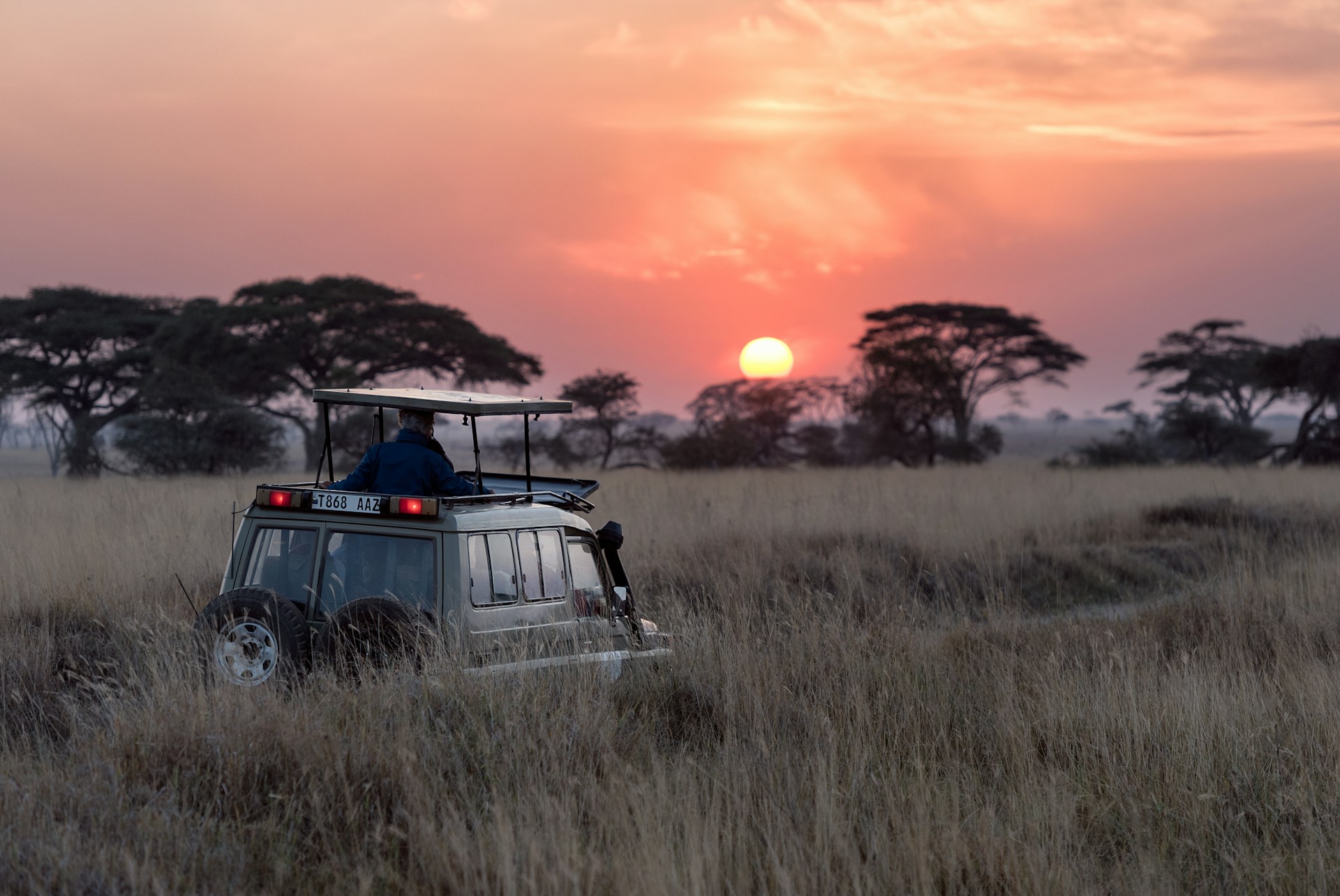
The best operators will arrange a seamless transfer from your Kilimanjaro descent directly to your first safari lodge. At Bush Lion Tours, we handle the logistics so you can focus on the experience. You finish your climb, descend to Moshi, and within 24 hours you are on a game drive watching a leopard drape itself across an acacia branch.
The 6 Best Safari Parks After Kilimanjaro
Here are the six parks we recommend, ranked by a combination of proximity to Kilimanjaro, wildlife density, and overall experience. Each one offers a distinct character, and the best choice depends on your interests, budget, and how much time you have.
Ngorongoro Crater
Serengeti National Park
Tarangire National Park
Lake Manyara National Park
Nyerere National Park (Selous)
Ruaha National Park
How to Plan Your Safari After Kilimanjaro
Knowing which parks to visit is the first step. The second step is figuring out the logistics — how many days you need, what it costs, and when to go. Here is a practical planning guide based on our experience helping thousands of Kilimanjaro climbers transition into their safari.
How Many Days Do You Need?
3 Days
Short but rewarding. Ngorongoro Crater + Tarangire. This gives you a full day in the crater and a half-day or full day in Tarangire. Perfect if you are on a tight schedule. You will see the Big Five, flamingos, and massive elephant herds.
5–6 Days
The sweet spot. Ngorongoro + Serengeti + Tarangire. Three days in the Serengeti is the minimum to experience the park properly. This itinerary covers the northern circuit and gives you the best chance of seeing the migration and big cat action.
7–10 Days
The full experience. Northern circuit plus a fly-in to Selous or Ruaha. You get the best of both worlds — the iconic northern parks and the raw wilderness of the south. This is the ultimate Tanzania safari.
What Will It Cost?
Budget Safari
Per person per day. Camping or budget tented camps, shared game drives, park fees included. Suitable for solo travellers and backpackers who want the wildlife experience without the luxury price tag.
Mid-Range Safari
Per person per day. Comfortable lodges and permanent tented camps, private or small group game drives, all meals included. The most popular option — excellent wildlife viewing with genuine comfort.
Luxury Safari
Per person per day. Premium lodges, private conservancies, exclusive game drives, bush breakfasts, sundowner cocktails. The Serengeti and Ngorongoro have some of the finest safari lodges in the world.
Best Time to Go
Green Season
November – May
Lush landscapes, newborn animals, fewer tourists. Great for birdwatching. The Serengeti calving season (Jan–Mar) is spectacular. Roads can be muddy.
Dry Season
June – October
Best overall time. Animals gather at water sources, vegetation thins out for easier sightings. Peak migration activity. Book well in advance — this is high season.
Shoulder Season
March – May
Fewer crowds, lower prices, green scenery. Some lodges offer significant discounts. Short rains can occur but rarely last all day. A smart choice for budget-conscious travellers.
The Perfect Kilimanjaro-Safari Itinerary
Here is the itinerary we recommend for most of our Kilimanjaro climbers who want to add a safari after their climb:
- Day 1: Summit Kilimanjaro and descend to Mweka Gate. Transfer to Moshi. Rest, shower, and celebrate.
- Day 2: Rest day in Moshi. Optional coffee tour or hot springs visit. Briefing for your safari.
- Day 3: Drive to Lake Manyara National Park. Half-day game drive. Continue to Ngorongoro Conservation Area. Overnight on the crater rim.
- Day 4: Full day in Ngorongoro Crater. Descend at dawn, game drive the crater floor, picnic at the hippo pool. Ascend in the afternoon. Overnight at Karatu.
- Day 5: Drive to Tarangire National Park. Full day game drive. Focus on the elephant herds and baobab landscapes. Overnight inside or near the park.
- Day 6: Morning game drive in Tarangire. Return to Moshi or Arusha by afternoon. Transfer to airport or continue to the coast.
This six-day combination — Kilimanjaro climb plus three-park safari — is our most popular package. It gives you the mountain and the wildlife in a single trip, and it covers the three best parks in the northern circuit without feeling rushed.
For those with more time, adding a fly-in to the Serengeti for three to four days transforms the trip from excellent to unforgettable. The Serengeti deserves patience, and if you can spare the extra days, you will be rewarded with wildlife encounters that stay with you for life.
Practical Tips for Safari After Kilimanjaro
- Book your park fees in advance. Ngorongoro Crater charges $70 per person per day for conservation fees, plus $300 per vehicle for crater descent. These are separate from your accommodation and guide costs. Your operator should handle all of this, but confirm before you travel.
- Pack your binoculars. You may have left them in your duffel on the mountain, but safari is when you need them most. A good pair of 8x42 binoculars transforms the experience — you will spot leopards in trees, eagles on distant branches, and details in the landscape that the naked eye misses.
- Bring neutral-coloured clothing. Bright colours can disturb animals. Khaki, olive, and brown are ideal. You do not need to buy a whole new wardrobe — earth-toned t-shirts and trousers work perfectly.
- Charge everything. Your camera, phone, and power bank should be fully charged before each game drive. You will take more photos than you expect, and there is nothing worse than a dead battery when a leopard walks across the road.
- Be patient. Safari is not a zoo. Animals do not perform on schedule. Some of the best wildlife moments come after hours of waiting — a pride of lions emerging from the grass, a herd of elephants crossing the road, a cheetah sprinting after a gazelle. The patience is part of the magic.
- Trust your guide. A good safari guide knows where to find animals, reads the landscape, and positions the vehicle for the best viewing and photography. Listen to them, ask questions, and let them do what they do best.
The Bottom Line
A Kilimanjaro climb without a safari is like reading the first chapter of a book and putting it down. The mountain gives you the challenge, the summit, the story. The safari gives you the full sensory experience of Africa — the sights, the sounds, the smells of the bush. Together, they form the trip of a lifetime. Whether you have three days or ten, there is a park on this list that will make the detour absolutely worth it.
Ready to Add a Safari to Your Kilimanjaro Climb?
Every Kilimanjaro booking with Bush Lion Tours can include a customised safari itinerary. We handle all logistics, park bookings, and transfers so you can focus on the experience.