Kilimanjaro Climbing Guide – Routes, Cost, Success Rate & Best Time

Kilimanjaro Climbing Guide

Kilimanjaro Climbing Guide is the ultimate resource for travelers planning to climb Mount Kilimanjaro, the highest mountain in Africa. Rising to 5,895 meters above sea level, Mount Kilimanjaro is one of the most iconic trekking destinations in the world and attracts climbers from every continent. Unlike many high-altitude mountains, Kilimanjaro does not require technical mountaineering skills, which makes it accessible to a wide range of adventurers. However, reaching the summit is far from easy and requires proper planning, physical preparation, and the right choice of route.

This Kilimanjaro climbing guide explains everything in detail, including the different routes, the total cost, the best time to climb, success rates, altitude sickness, and essential preparation tips. Whether you are a beginner or an experienced trekker, understanding these factors will significantly increase your chances of reaching Uhuru Peak successfully.

Kilimanjaro Climbing Tours

Kilimanjaro climbing tours include the best routes, expert guides, and flexible itineraries to help you reach the summit safely. Discover the beauty of Mount Kilimanjaro with a trusted local team.

Why Climb Mount Kilimanjaro

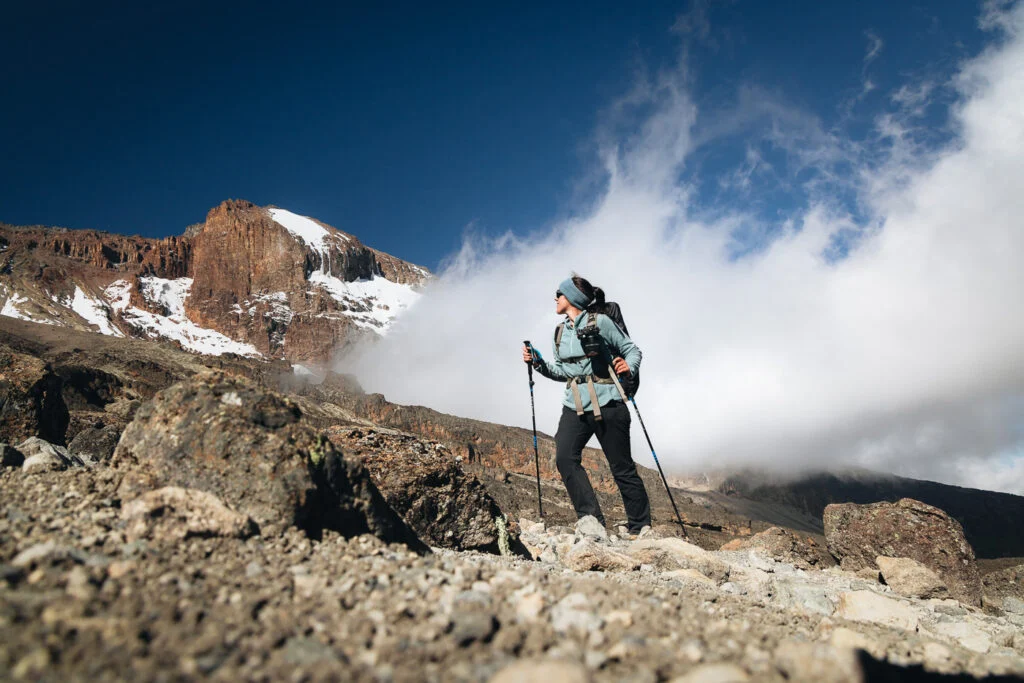
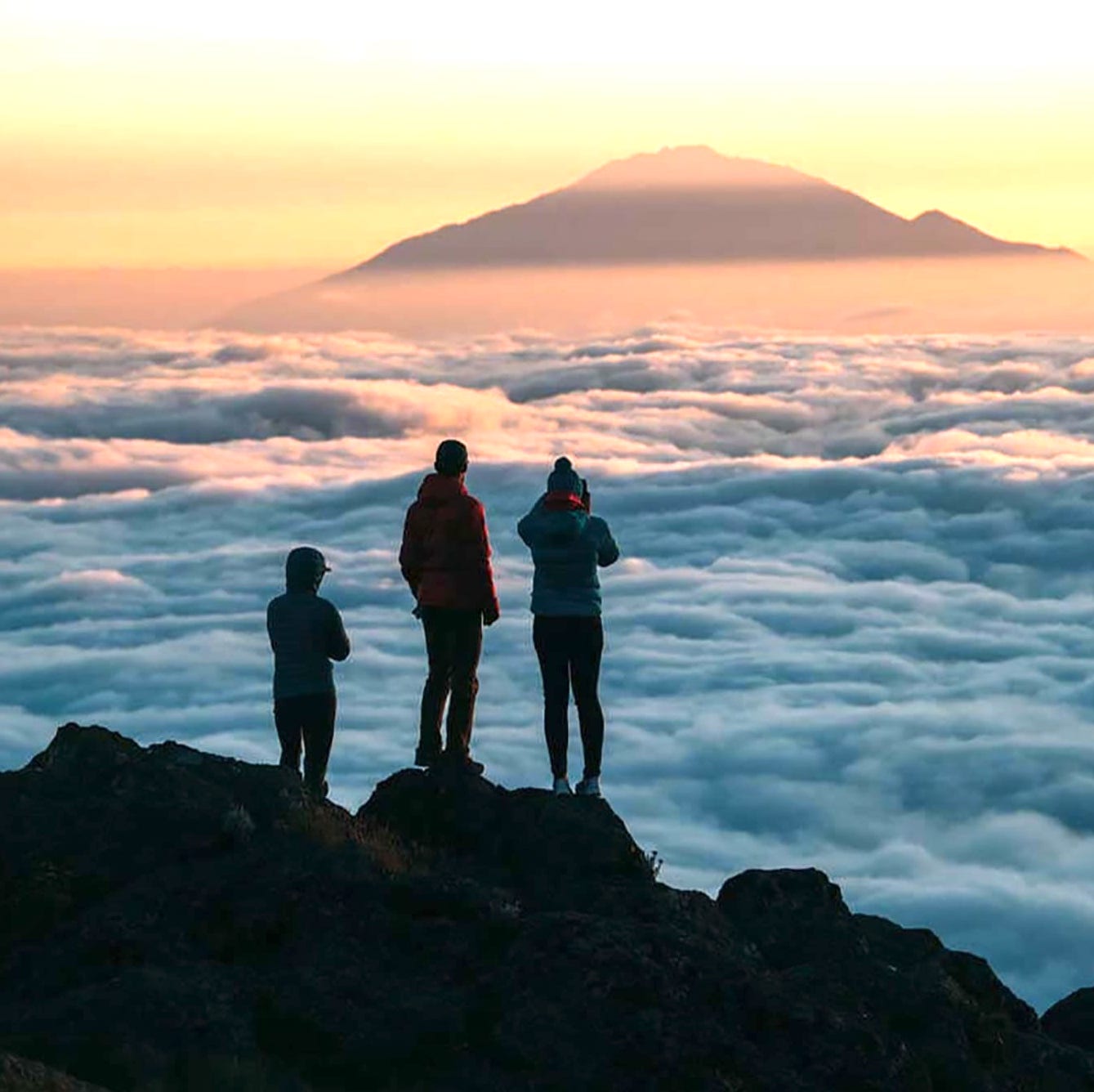
Climbing Mount Kilimanjaro is often described as a life-changing experience because it combines physical challenge with breathtaking natural beauty. The mountain offers a rare opportunity to walk through five distinct ecological zones in just a few days, starting from lush rainforest at the base and ending in arctic conditions at the summit. This dramatic change in environment is something that few mountains in the world can offer.

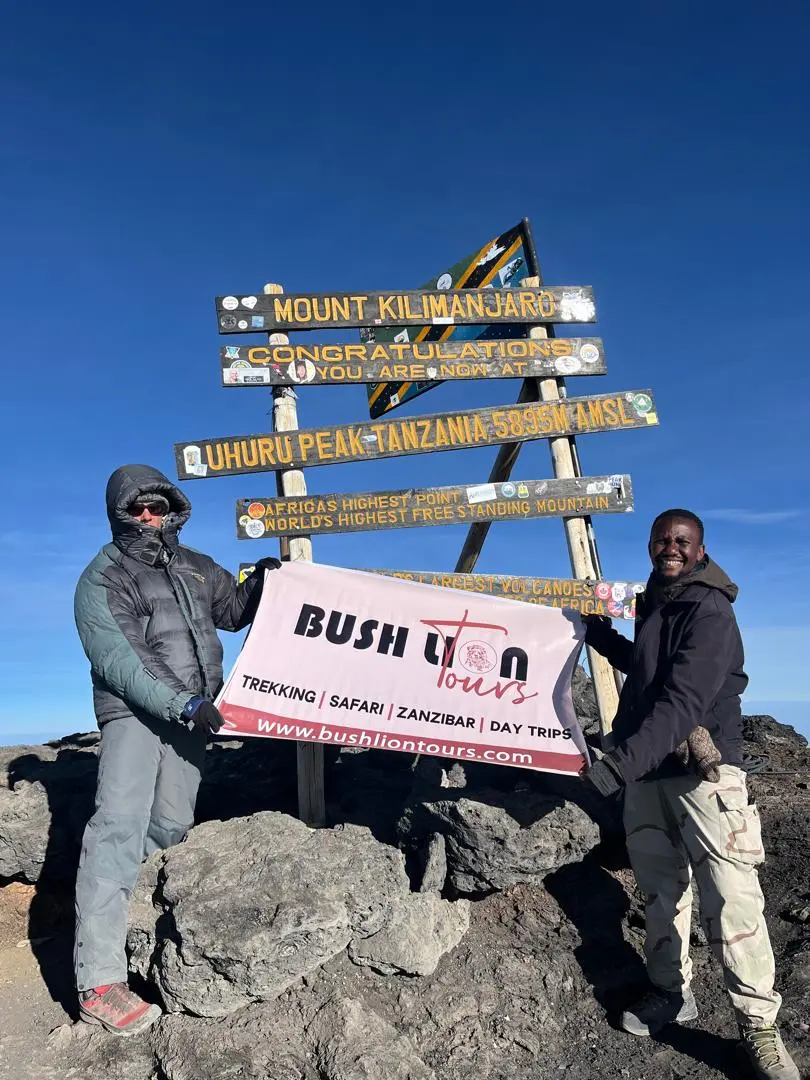
Another reason why many people choose Kilimanjaro is that it is one of the Seven Summits, which are the highest peaks on each continent. For many climbers, reaching Uhuru Peak is not only about adventure but also about achieving a personal dream. The sense of accomplishment that comes from standing at the highest point in Africa is truly unmatched.

In addition, Kilimanjaro is unique because it does not require ropes, technical climbing equipment, or previous mountaineering experience. This makes it possible for first-time climbers to attempt the summit, provided they prepare well and choose the right itinerary. With professional guides, porters, and proper support, even beginners can successfully reach the top.

Routes Comparison

Choosing the right route is the most important decision when planning your Kilimanjaro climb. Each route has its own characteristics in terms of scenery, difficulty, duration, and success rate. Understanding these differences is essential if you want to maximize your chances of reaching the summit.

The Lemosho Route is widely considered the best route on Kilimanjaro because it offers a perfect balance between scenery, acclimatization, and success rate. Starting from the western side of the mountain, it provides stunning views and a quieter trekking experience in the early days. The gradual ascent allows the body to adapt to altitude more effectively, which significantly increases the chances of success.

The Machame Route, often referred to as the “Whiskey Route,” is one of the most popular options among climbers. It is slightly more challenging than Lemosho due to steeper sections, but it offers incredible scenery and a rewarding trekking experience. This route is ideal for climbers who are looking for a bit more adventure while still maintaining a good chance of reaching the summit.

The Marangu Route is the only route that offers hut accommodation instead of camping, which makes it attractive to climbers who prefer more comfort. However, it has a lower success rate because the ascent is faster and provides less time for acclimatization. For this reason, it is not always the best choice for beginners despite its reputation as the “easiest” route.

The Northern Circuit is the longest route on Kilimanjaro and also the one with the highest success rate. It circles around the northern slopes of the mountain, offering unique views and very few crowds. Because of its length, it provides excellent acclimatization, making it the best option for climbers who want the highest possible chance of reaching the summit.

The Umbwe Route is the shortest and steepest route, making it the most challenging option. It is only recommended for experienced climbers who are confident in their fitness and ability to handle rapid altitude gain. Due to its difficulty and lower success rate, it is not suitable for most trekkers.

Kilimanjaro Climbing

Kilimanjaro Climbing Cost

Understanding the cost of climbing Mount Kilimanjaro is essential when planning your trip. The price can vary significantly depending on the route, the number of days, and the level of service provided by the tour operator. On average, a Kilimanjaro climb can cost anywhere between $1,350 and $3,130 or more.

A large portion of the cost comes from park fees, which are set by the Tanzania National Parks Authority. These fees include entry permits, camping or hut fees, and rescue services. They are fixed costs and cannot be avoided, which means that extremely cheap tours may cut corners in other important areas such as safety and staff wages.

Another major factor affecting the cost is the support team. Every climber is accompanied by a team that includes guides, porters, and a cook. Ethical tour operators ensure that their staff are paid fairly and provided with proper working conditions. Choosing a responsible company may cost slightly more, but it ensures a better experience and supports local communities.

The cost also includes equipment such as tents, sleeping gear, and cooking supplies, as well as meals during the climb. Transportation to and from the mountain is usually included, but international flights, visas, and tips for the crew are typically not part of the package.

Best Time to Climb Kilimanjaro

The best time to climb Mount Kilimanjaro depends on weather conditions, which can greatly affect your experience and chances of success. The mountain can be climbed all year round, but certain months offer better conditions than others.

The most popular time to climb is during the dry seasons, which occur from January to March and from June to October. These periods are characterized by clearer skies, less rain, and better visibility. The months of July, August, and September are particularly popular because they offer the most stable weather conditions.

The rainy seasons, which occur from April to May and in November, are generally not recommended for climbing. Heavy rain can make the trails slippery and reduce visibility, which can negatively impact both safety and enjoyment. However, these months may appeal to climbers who prefer fewer crowds and are prepared for more challenging conditions.

Fitness & Preparation

Climbing Kilimanjaro requires a good level of physical fitness, but it does not require extreme athletic ability. The most important aspect of preparation is endurance, as the climb involves several days of walking at high altitude. Training should focus on building stamina through activities such as hiking, running, and cycling.

Mental preparation is equally important, as the climb can be physically and mentally demanding. Long trekking days, cold temperatures, and high altitude can test your determination. Being mentally prepared to push through challenges is key to reaching the summit.

Practicing multi-day hikes before your trip is highly recommended, as it helps your body adapt to continuous physical activity. The more prepared you are, the more enjoyable your Kilimanjaro experience will be.

Altitude Sickness & Safety

Altitude sickness is the biggest challenge when climbing Mount Kilimanjaro. As you ascend to higher altitudes, the air becomes thinner, and your body must adjust to lower oxygen levels. This can cause symptoms such as headaches, nausea, and fatigue.

The best way to prevent altitude sickness is to choose a longer route that allows for proper acclimatization. Climbing slowly and staying hydrated are also essential. Experienced guides monitor climbers closely and ensure that safety is always the top priority.

Listening to your body is critical. If symptoms become severe, descending is the safest option. Reaching the summit is important, but safety should always come first.

Kilimanjaro Success Rate

The success rate of climbing Kilimanjaro varies depending on several factors, including the route, the number of days, and the level of preparation. Shorter routes tend to have lower success rates because they allow less time for acclimatization.

Routes that take seven to eight days generally have much higher success rates, often reaching between 70% and 90%. The Northern Circuit, being the longest route, offers the highest success rate due to its gradual ascent and excellent acclimatization profile.

Choosing the right route and preparing properly can make a significant difference in your chances of reaching Uhuru Peak.

Kilimanjaro Success Rate Calculator

Poor
Fair
Good
Excellent
0%

Kilimanjaro Packing List

Packing the right gear is essential for a successful climb. The mountain’s changing climate requires a variety of clothing, from lightweight layers for warm conditions to insulated gear for the cold summit night.

A good pair of hiking boots is one of the most important items, as you will be walking for several days on different types of terrain. A warm sleeping bag, a headlamp, and proper clothing layers are also crucial for comfort and safety.

Being well-equipped not only makes the climb more comfortable but also increases your chances of success.

FAQ – Kilimanjaro Climbing Guide

1. What is Mount Kilimanjaro?

Mount Kilimanjaro is the highest mountain in Africa, standing at 5,895 meters above sea level. It is a free-standing volcanic mountain located in Tanzania and is one of the most popular trekking destinations in the world due to its accessibility and stunning landscapes.


2. Where is Mount Kilimanjaro located?

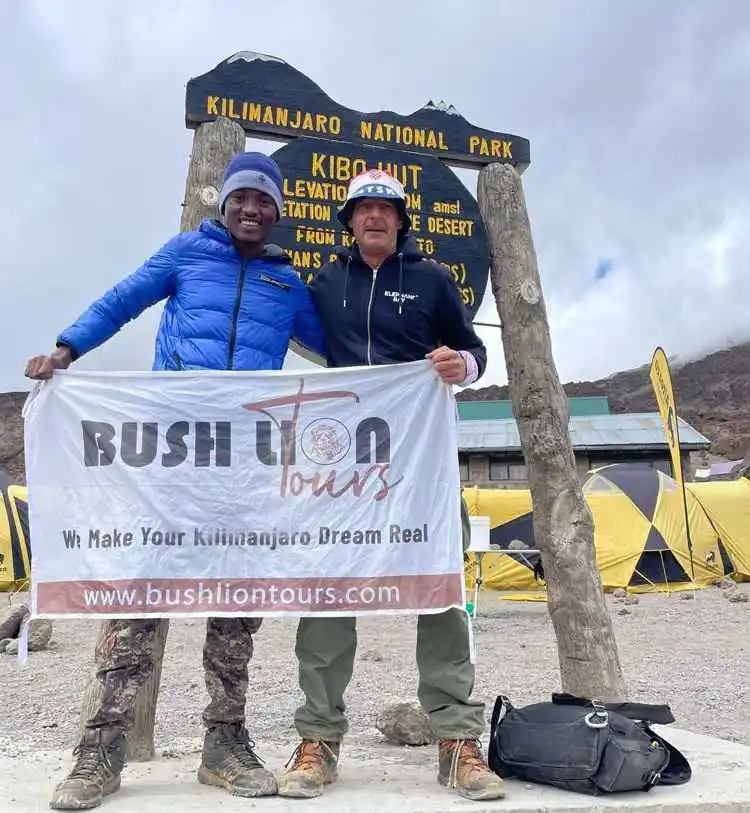
Mount Kilimanjaro is located in northern Tanzania near the border with Kenya. It lies within Kilimanjaro National Park and is easily accessible from towns like Moshi and Arusha, which serve as the main starting points for climbers.


3. How difficult is climbing Kilimanjaro?

Climbing Mount Kilimanjaro is physically demanding but does not require technical climbing skills. The main challenges are altitude, long trekking days, and changing weather conditions, making preparation essential for success.


4. Do I need technical climbing skills to climb Kilimanjaro?

No technical climbing skills are required to climb Mount Kilimanjaro. It is considered a trekking peak, which means that climbers only need to be physically fit and prepared for high-altitude hiking.


5. How long does it take to climb Kilimanjaro?

Climbing Mount Kilimanjaro typically takes between five and nine days depending on the route you choose. Longer routes provide better acclimatization and increase the chances of reaching the summit successfully.


6. What is the best route to climb Kilimanjaro?

The best route to climb Mount Kilimanjaro is generally the Lemosho Route due to its excellent acclimatization profile, scenic beauty, and high success rate. The Northern Circuit is also highly recommended for those seeking the highest success rate.


7. What is the success rate of Kilimanjaro?

The success rate varies depending on the route and duration, ranging from about 50% on shorter routes to over 90% on longer routes such as Lemosho and Northern Circuit, which allow better acclimatization.


8. How much does it cost to climb Kilimanjaro?

The cost of climbing Mount Kilimanjaro usually ranges from $1,800 to $4,000 or more, depending on the route, number of days, and level of service provided by the tour operator.


9. What is included in the Kilimanjaro climbing cost?

Most climbing packages include park fees, guides, porters, meals, camping equipment, and transportation to and from the mountain. Flights, visas, and tips are usually not included.


10. When is the best time to climb Kilimanjaro?

The best time to climb Mount Kilimanjaro is during the dry seasons from January to March and June to October, when weather conditions are more stable and visibility is better.


11. Can beginners climb Kilimanjaro?

Yes, beginners can climb Mount Kilimanjaro if they are properly prepared and choose a suitable route such as Lemosho or Northern Circuit, which provide better acclimatization.


12. Do I need a guide to climb Kilimanjaro?

Yes, it is mandatory to climb Kilimanjaro with a licensed guide according to Tanzanian regulations. Guides ensure safety, navigation, and support throughout the climb.


13. What is altitude sickness?

Altitude sickness is a condition caused by reduced oxygen levels at high altitude. It can lead to symptoms such as headaches, nausea, and fatigue during the climb.


14. How can I prevent altitude sickness?

You can reduce the risk by climbing slowly, staying hydrated, choosing longer routes, and following your guide’s instructions carefully throughout the climb.


15. How fit do I need to be?

You should have a good level of fitness, particularly endurance, as the climb involves several days of continuous hiking at high altitude.


16. What should I pack for Kilimanjaro?

You need proper hiking gear including warm clothing, waterproof layers, sturdy boots, a sleeping bag, and essential accessories such as gloves and a headlamp.


17. Is Kilimanjaro safe?

Climbing Mount Kilimanjaro is generally safe when done with a reputable operator, experienced guides, and proper preparation.


18. What is the summit of Kilimanjaro called?

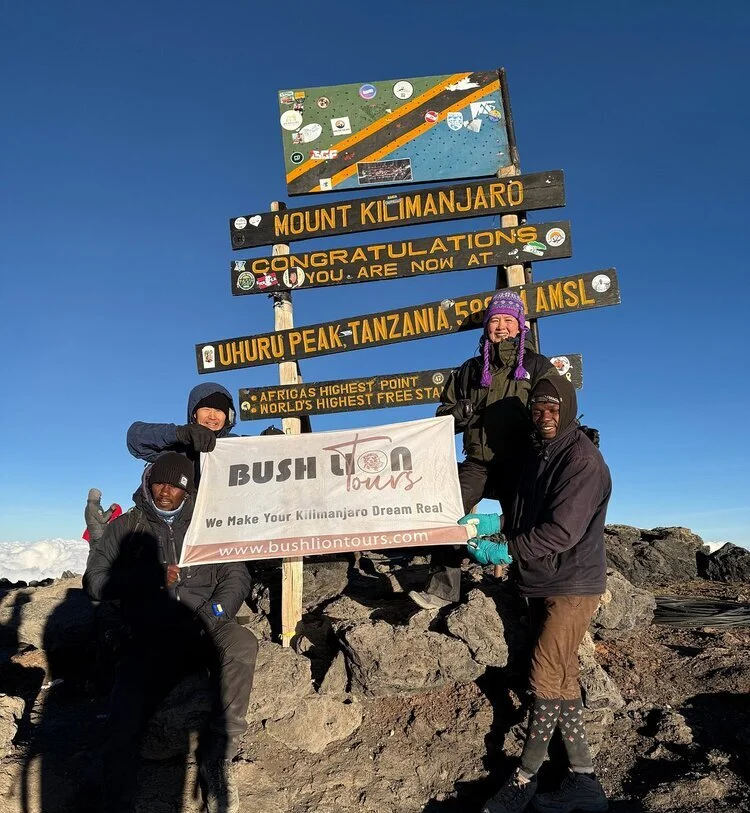
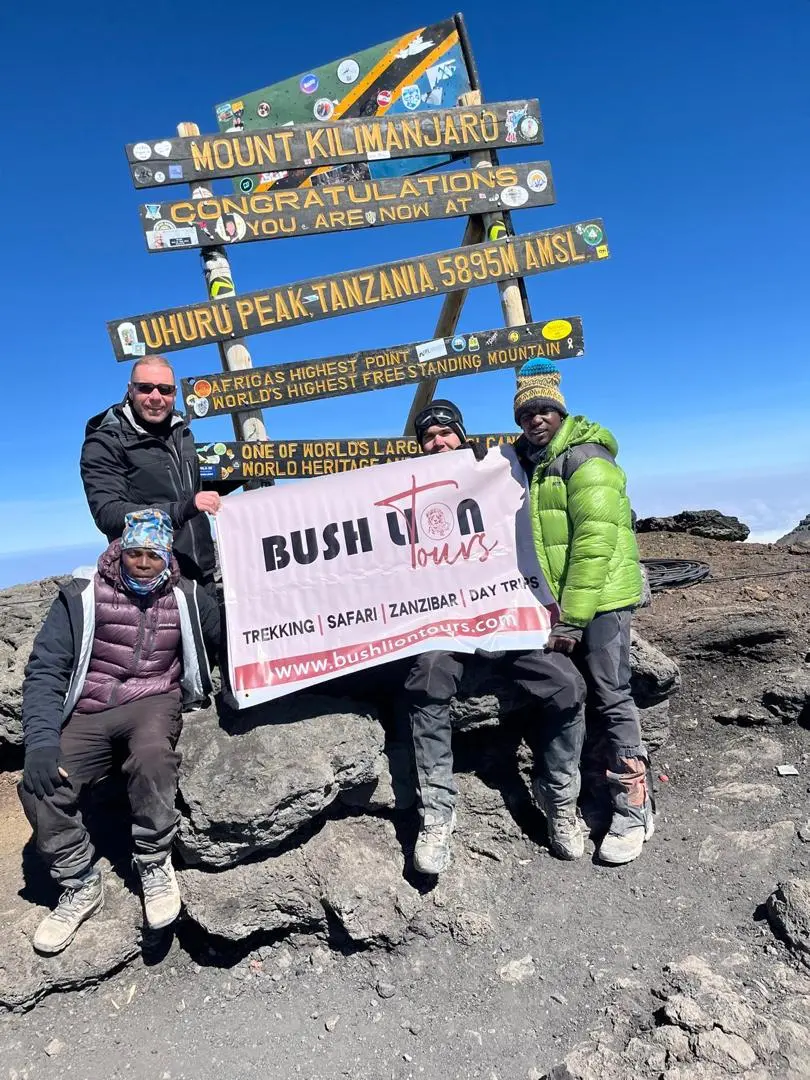
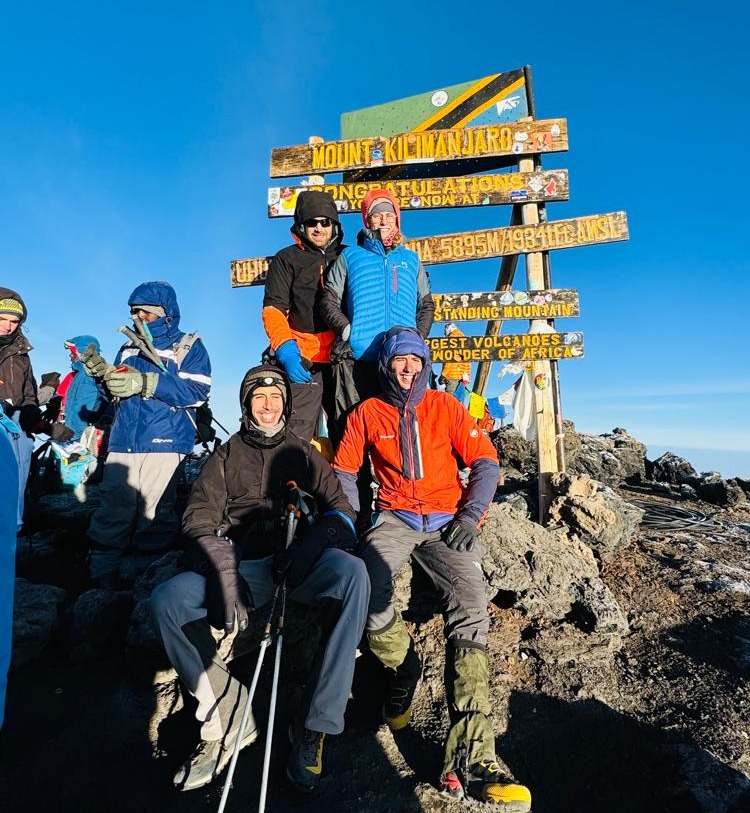
The summit is called Uhuru Peak, which is the highest point on Mount Kilimanjaro and the ultimate goal of every climber.


19. How cold does it get on Kilimanjaro?

Temperatures at the summit can drop to as low as -20°C, especially during summit night, so proper clothing is essential.


20. Can I climb Kilimanjaro solo?

No, climbing Kilimanjaro solo is not allowed. All climbers must be accompanied by a licensed guide.


21. What is the easiest route on Kilimanjaro?

The Marangu Route is often considered the easiest due to its gradual slope and hut accommodation, although it has a lower success rate.


22. What is the hardest route on Kilimanjaro?

The Umbwe Route is the most difficult due to its steep ascent and rapid altitude gain, making it suitable only for experienced climbers.


23. How many people climb Kilimanjaro each year?

Approximately 30,000 to 50,000 climbers attempt Mount Kilimanjaro each year, making it one of the most popular trekking mountains in the world.


24. What is the best route for success?

The Northern Circuit offers the highest success rate due to its longer duration and excellent acclimatization profile.


25. Do I need travel insurance?

Yes, travel insurance that covers high-altitude trekking is strongly recommended when climbing Kilimanjaro.


26. What do porters do?

Porters carry equipment, set up camps, and support climbers, making the journey more manageable and comfortable.


27. How much should I tip the crew?

Tipping is customary and typically depends on the number of days and crew size, usually ranging between $200 and $300 per climber.


28. Is food provided during the climb?

Yes, climbers are provided with meals prepared by a cook, including breakfast, lunch, and dinner throughout the trek.


29. Can I rent gear in Tanzania?

Yes, most gear can be rented in Moshi or Arusha, including sleeping bags, jackets, and trekking poles.


30. Is climbing Kilimanjaro worth it?

Climbing Mount Kilimanjaro is absolutely worth it as it offers a unique adventure, breathtaking views, and a once-in-a-lifetime achievement.

Let’s Start Planning Your Kilimanjaro Climb

Tell us your preferred travel dates, the number of climbers, and your route or interests, and we’ll send you a free quote with the best Kilimanjaro climbing suggestions.

Blank Form (#7)