
Climb Mount Meru, rising majestically in northern Tanzania, is an iconic peak that attracts trekkers from all over the world. Standing at 4,562 meters, it is the fifth-highest mountain in Africa and offers a unique trekking experience that is often described as a “mini Kilimanjaro” due to its proximity to the more famous Kilimanjaro peak. Climbing Mount Meru provides adventurers with the perfect combination of rich wildlife, lush forests, scenic landscapes, and challenging ascents. Unlike Kilimanjaro, the trails on Meru are less crowded, offering trekkers a more intimate encounter with nature. From the moment you start your climb at the base near Arusha National Park, you are immersed in the breathtaking beauty of Tanzanian wilderness.
The route takes hikers through multiple ecological zones, including montane forests filled with exotic birds, dense bamboo groves, and highland grasslands that open into alpine desert terrain as the summit approaches. Climbing Mount Meru is not just a physical challenge; it is an immersive experience in nature, with opportunities to spot wildlife such as buffalo, giraffes, monkeys, and various antelope species. The adventure culminates with a rewarding view of Kilimanjaro from the summit of Meru on a clear day, an unforgettable sight for anyone pursuing the ultimate African trekking experience.
Meru Climbing Tours offer 3 and 4-day guided treks to Mount Meru, with expert guides, comfortable camping, and high summit success rates for all levels.
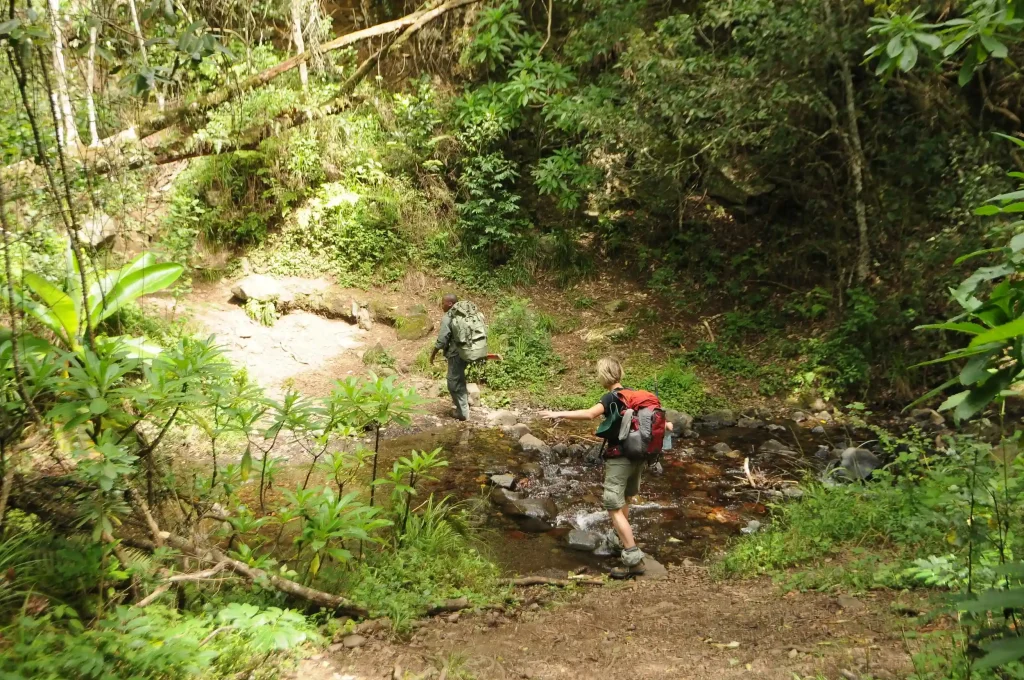
The 3 Days Mount Meru trek is ideal for climbers with limited time but a strong passion for adventure. On Day One, you begin your journey through the lush forests of Arusha National Park, where giraffes and buffalo are often seen. Overnight is spent in Miriakamba Hut. Day Two takes you higher through montane forests and moorlands, leading to Saddle Hut, with a side hike to Little Meru for warm-up. On Day Three, the summit push starts at midnight, guiding you to Socialist Peak at sunrise. From the top, you witness unforgettable views of Kilimanjaro and the Meru crater before descending back to the park gate.
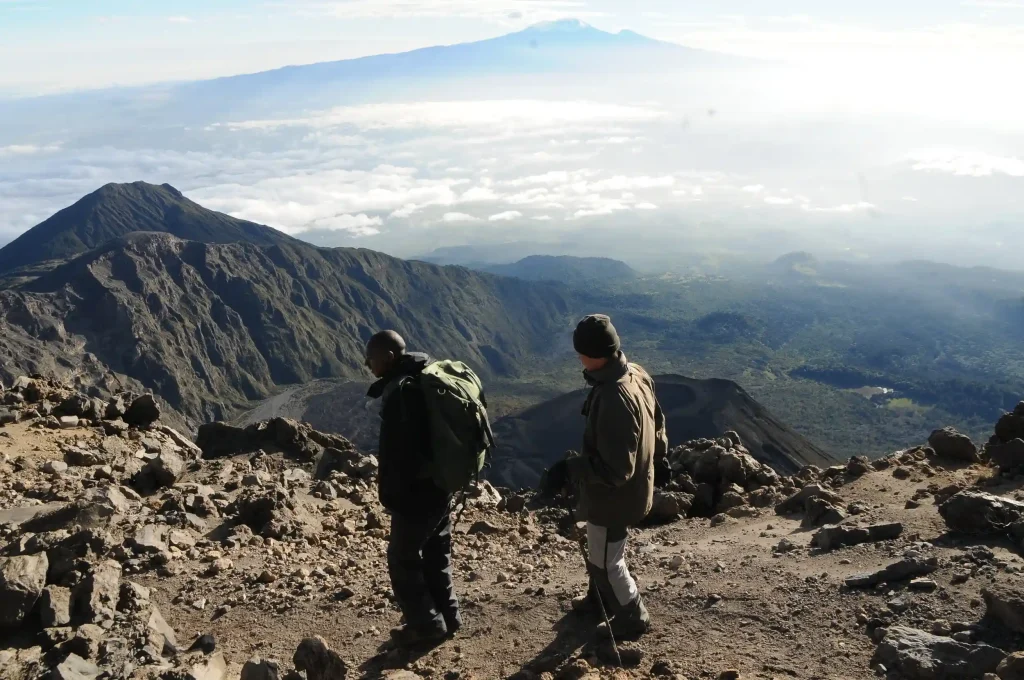
The 4 Days Mount Meru climb offers a more relaxed pace and better acclimatization. The first day follows the same trail through wildlife-rich forests to Miriakamba Hut. On Day Two, the trek continues up to Saddle Hut with an optional evening hike to Little Meru. Day Three is the summit attempt, beginning in the early hours and reaching Socialist Peak at 4,566 meters. After enjoying the sunrise and magnificent crater views, you descend to Saddle Hut for rest. Day Four completes the trek with a descent through the forests, returning to Momella Gate where the adventure ends.
Climbing Mount Meru is a unique and highly rewarding adventure that appeals to both beginner and experienced trekkers. The mountain’s accessibility makes it a perfect training ground for those considering Kilimanjaro in the future. Unlike Kilimanjaro, Mount Meru offers a more remote and serene trekking experience with significantly fewer hikers. The trails wind through pristine forest and grasslands, and each step brings you closer to a sense of personal achievement.
Beyond the physical challenge, climbing Mount Meru offers cultural and ecological enrichment. Trekkers have the opportunity to experience local Maasai culture and witness the diverse flora and fauna of northern Tanzania. The climb itself encourages hikers to test their endurance, stamina, and mental focus. The summit, known as the Little Meru Crater, provides panoramic views that include Kilimanjaro to the east and the Ngorongoro Highlands to the west. Reaching the summit is both a personal triumph and a photographic reward, making climbing Mount Meru a compelling choice for adventure seekers.
There are several trekking routes on Mount Meru, each offering a different experience in terms of scenery, difficulty, and acclimatization. The Miriakamba Route is the most popular and recommended path for first-time climbers. It is relatively gentle at the beginning, allowing for a gradual ascent that improves the likelihood of reaching the summit successfully. This route passes through lush montane forests, scenic waterfalls, and the Shira Plateau, which is ideal for acclimatization before the final ascent.
For those seeking a more challenging and less-traveled experience, the Momella Route provides steeper terrain and a slightly shorter climb but rewards trekkers with breathtaking views of Momella Lakes and the surrounding wildlife. Climbing Mount Meru via the Momella Route requires better fitness levels due to the steeper inclines and limited time for acclimatization. Some experienced trekkers opt for a combination of both routes to experience a loop that maximizes scenic variety.
The length of the climb typically varies from three to five days, depending on the chosen route and individual pace. Longer routes allow for better acclimatization, significantly increasing the chances of reaching the summit without altitude sickness. Each route offers a unique set of ecological zones and wildlife encounters, giving trekkers a different perspective of Mount Meru’s diverse landscape. Choosing the right route depends on your fitness level, experience with high-altitude trekking, and personal preference for solitude versus scenic variety.
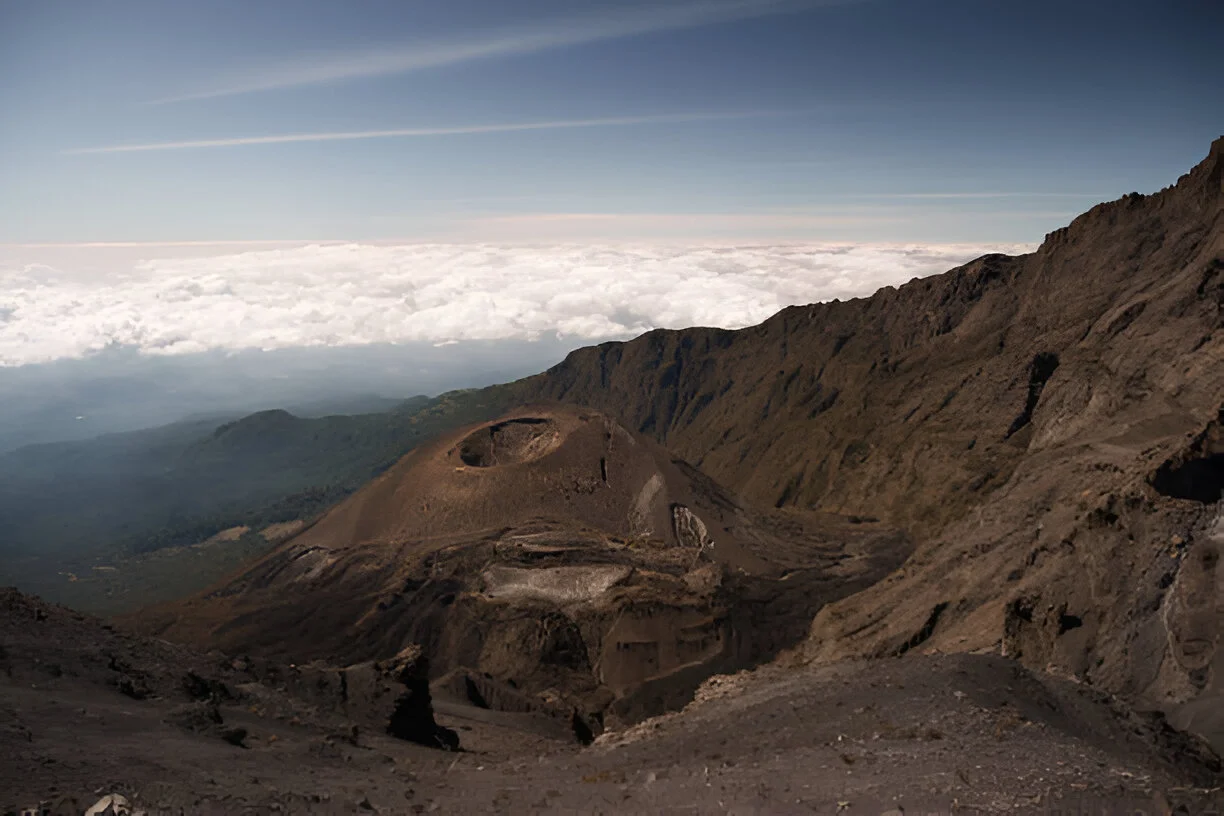
The cost of climbing Mount Meru varies depending on the length of the trek, the number of days spent on the mountain, the route chosen, and the type of accommodation. Generally, the price includes park fees, a guide, porters, camping equipment, and meals. Climbing Mount Meru is considered more affordable than Kilimanjaro, making it an attractive option for budget-conscious adventurers who still want a high-altitude trekking experience.
For a typical three-day climb via the Miriakamba Route, the cost can range between $800 and $1,200 per person. This price usually covers the necessary equipment, guided assistance, and meals throughout the trek. Longer climbs, such as four or five-day treks, may cost between $1,100 and $1,500 due to additional days of accommodation and porter support. Opting for private guides or luxury camping equipment can increase the cost but also enhances comfort and personalized service. Many trekking companies offer package deals that include transportation from Arusha, making planning simpler and more convenient.
It is important to consider that tipping guides and porters is customary in Tanzania and should be factored into the overall budget. Although climbing Mount Meru is less expensive than Kilimanjaro, the value of the experience including stunning views, wildlife encounters, and a sense of accomplishment makes it a worthwhile investment for serious trekkers.
Climbing Mount Meru is possible year-round, but certain months offer better weather conditions and higher chances of reaching the summit successfully. The best periods to climb are during the dry seasons, which occur from late June to October and from late December to early March. During these months, the trails are generally free from mud and slippery conditions, and visibility from the summit is often at its best. Clear skies allow trekkers to enjoy panoramic views of Kilimanjaro, Ngorongoro Crater, and the surrounding landscapes.
The wet seasons, typically from March to May and November, present more challenges due to heavy rains, slippery trails, and limited visibility. While it is still possible to climb during these months, trekkers should be prepared for muddy paths and a higher risk of altitude-related complications. Weather conditions on Mount Meru can be unpredictable, so it is crucial to monitor forecasts and plan accordingly. Overall, choosing the dry season increases the likelihood of a comfortable, safe, and successful climb.
Climbing Mount Meru requires a moderate to high level of physical fitness, depending on the chosen route and duration. Preparation should focus on cardiovascular endurance, strength training, and hiking practice. Trekkers are advised to engage in activities such as running, cycling, and stair climbing to build stamina. Strengthening leg muscles through squats and lunges is particularly beneficial, as these are heavily used during steep ascents and descents.
Acclimatization is a critical aspect of preparation for climbing Mount Meru. Spending a few days in Arusha or nearby highland areas before starting the trek can help the body adjust to the altitude. Hiking at progressively higher elevations prior to the climb also prepares the body for the reduced oxygen levels encountered near the summit. Mental preparation is equally important; the climb can be physically demanding and requires determination, patience, and the ability to maintain a steady pace, commonly referred to as “Pole Pole,” which means slow and steady in Swahili.
Packing and training with the appropriate gear ahead of time enhances both safety and comfort. Proper hiking boots, moisture-wicking clothing, and layered garments are essential for coping with the varying temperatures along the route. A well-planned training routine and thoughtful preparation significantly improve the chances of reaching the summit successfully.
Altitude sickness is a key consideration when climbing Mount Meru. Symptoms can range from mild headaches and nausea to severe conditions such as High Altitude Pulmonary Edema (HAPE) or High Altitude Cerebral Edema (HACE). Trekkers are advised to ascend gradually and include rest days in longer climbs to reduce the risk of altitude sickness. Drinking plenty of water, maintaining a slow pace, and avoiding alcohol during the trek are recommended strategies.
Safety is another critical aspect of climbing Mount Meru. Hiring an experienced guide and porter is strongly recommended, as they are trained to handle emergencies, navigate the trails, and provide support when needed. Proper gear, including a first aid kit, warm clothing, and rain protection, enhances safety during unexpected weather changes. Following park rules and respecting local wildlife are essential components of a safe and responsible climbing experience. Preparation, awareness, and respect for the mountain’s environment collectively contribute to a successful and safe ascent.
Climbing Mount Meru generally has a high success rate compared to other high-altitude peaks in Africa. The success rate is influenced by several factors, including the route chosen, the number of days, physical fitness, and previous altitude experience. Trekkers who opt for three to five-day climbs with adequate rest and gradual ascents often reach the summit without significant issues.
The Miriakamba Route, with its gradual climb and well-spaced campsites, is particularly favorable for success. Climbers who take longer treks with proper acclimatization strategies have reported success rates above 85%. Shorter, steeper routes may pose challenges, but with sufficient fitness and careful planning, they remain manageable. Overall, climbing Mount Meru offers a realistic opportunity for adventure seekers to experience high-altitude trekking while minimizing the risks associated with extreme elevations.
Proper packing is essential for a comfortable and successful climb. While climbing Mount Meru does not require extremely technical gear, a well-thought-out packing list ensures safety and preparedness. Key items include sturdy hiking boots, layered clothing for variable temperatures, moisture-wicking base layers, a warm jacket for cold nights, rain protection, gloves, and a hat. Trekking poles are recommended to reduce strain on knees and enhance stability on uneven terrain.
A daypack for carrying water, snacks, and personal items is important for maintaining energy during long hikes. Additional essentials include a first aid kit, sunscreen, sunglasses, and a headlamp for early morning or late evening walks. Hydration systems, energy bars, and electrolyte supplements support stamina and endurance. Preparing with the right gear not only contributes to comfort but also increases the likelihood of a successful summit experience.
Mount Meru is a majestic dormant volcano in northern Tanzania, standing at 4,566 meters. At [Your Company Name], we provide expertly guided climbs that allow clients to experience its lush forests, crater views, and wildlife safely and comfortably.
Our Mount Meru climbs are designed as either 3-day or 4-day experiences. The 3-day climb is for experienced trekkers seeking a challenge, while our 4-day option allows gradual ascent, giving guests the best chance to summit successfully.
We recommend the Momella route, which offers the ideal combination of scenic trails and summit success rate. Our professional guides manage logistics and acclimatization to ensure climbers reach the summit safely.
The best months are June–October and December–February. During these periods, our guided treks enjoy dry weather, clear views, and safer trails, enhancing the overall climbing experience.
Mount Meru is moderately challenging. Bush Lion Tours prepares you with pre-climb briefings and guides to manage your pace and energy. The 4-day trek is perfect for beginners or those less experienced with high-altitude climbs.
Our 4-day climbs have a success rate of 80–90%, while the 3-day climbs have 60–70% success. We achieve this by careful route planning, acclimatization schedules, and professional guidance.
No prior experience is required. Our guides provide full support for all skill levels. We recommend the 4-day climb for beginners to maximize acclimatization and summit success.
We advise climbers to engage in cardio and strength training 3–6 months before the trip. Our team provides a fitness guide tailored to prepare you for the steep trails and altitude.
Guests receive a complete gear checklist. Essentials include trekking boots, layered clothing, gloves, hat, rain gear, backpack, and sleeping bag. Our company can also provide or rent gear if needed.
Yes, but our climbs are structured to minimize risk. Our 4-day route allows gradual ascent, and our trained guides monitor symptoms closely, ensuring a safe and enjoyable climb.
Our team of certified guides and porters handle logistics, carry camping equipment, and monitor health, allowing clients to focus on the trek. They provide motivation, safety, and expert knowledge throughout the journey.
Our climbs traverse rainforest, bamboo zones, and alpine meadows, culminating in volcanic ash terrain near the summit. We guide guests safely through all sections while highlighting wildlife and scenery.
Children above 10 with good fitness can join the 4-day climb. Our guides ensure safety and adapt the pace for younger trekkers to enjoy the experience fully.
Prices depend on the route and services selected. Our packages include park fees, guides, porters, camping equipment, and meals, providing a worry-free, all-inclusive climbing experience.
Yes, we require all climbers to have travel insurance covering high-altitude trekking and emergency evacuation. Our team can assist clients in selecting suitable policies.
Absolutely. Mount Meru lies in Arusha National Park, home to elephants, giraffes, buffalo, and monkeys. Our guided treks provide opportunities for wildlife spotting along the trails.
We manage small, guided groups for a personalized experience. Smaller groups allow better attention from guides and ensure safety, while still being sociable and fun.
Yes, our climbs use well-equipped campsites at scenic spots. We provide meals, tents, and basic amenities, making the overnight experience comfortable and memorable.
Some packages include stays at base lodges before and after the trek. Our company partners with trusted lodges, offering comfort and relaxation before ascending Mount Meru.
Day 1: Arrival at Arusha, briefing, and overnight lodge. Day 2: Trek to Miriakamba or Saddle Camp. Day 3: Summit attempt, descend to Simba Camp. Day 4: Final descent to base and transfer back. Our guides manage every detail for comfort and safety.
We provide nutritious, high-energy meals prepared by experienced camp chefs. Proper hydration and balanced diet ensure energy for the climb and reduce altitude fatigue.
Our guides carry first aid kits, oxygen, and communication devices. In emergencies, evacuation is swift, and safety protocols are strictly followed to protect all climbers.
No, reaching the summit requires at least 3 days. We do offer shorter nature walks and lower elevation treks for those not attempting the summit.
Yes, we offer packages combining Mount Meru climbs with safaris in Arusha, Tarangire, or Ngorongoro, giving travelers a full Tanzania adventure experience.
Our guides constantly monitor weather and adapt schedules. Dry, clear days are preferred. Rainy periods may require additional precautions, but our team ensures safety in all conditions.
Climbers ascend from around 1,500 meters to 4,566 meters. Our itineraries are designed to maximize acclimatization and maintain a safe, achievable pace.
Summit day begins around midnight, involves steep climbs, and requires endurance. Our guides provide motivation, pacing advice, and support to increase chances of reaching the top.
Yes, we offer private climbs for individuals or small groups, ensuring personalized attention, flexible schedules, and a premium experience.
If climbers experience fatigue or altitude issues, our guides safely lead them back. We prioritize health and ensure everyone completes the trek with a fulfilling experience, regardless of summit success.
Booking is simple via our website or direct contact. We offer full packages including permits, guides, porters, camping, meals, and transfers, making the process stress-free and fully organized.
Tell us your preferred travel dates, the number of climbers, and your route or interests, and we’ll send you a free quote with the best Mount Meru climbing suggestions.
EXCELLENTVerified 6 days machame route + 5 days safari Had the luck to climb Kilimanjaro and have a 5 days safari with Bush Lions. We ended up really happy and accomplished by these experiences! Thank you so much!Posted onVerified Highly, highly recommended Jackson @Bush Lion Tours Our journey with Bush Lion Tours Jackson was nothing short of extraordinary. From the very first moment we contacted him, everything was handled with the highest level of professionalism, warmth, and care.We climbed Mount Kilimanjaro with their amazing team, and thanks to their expert guides, flawless logistics, and constant encouragement, we not only reached the summit safely but truly enjoyed every step of the adventure. The guides were incredibly knowledgeable, attentive to every detail, and always made sure we felt safe, comfortable, and motivated. Their positive energy turned a challenging climb into an unforgettable experience.After the climb, we went on a safari—and it was just as breathtaking. From majestic lions and graceful giraffes to elephants, zebras, and endless Serengeti landscapes, every moment felt like stepping into a nature documentary. The accommodations and meals during the safari were excellent, combining comfort with an authentic African atmosphere.What stood out most was how Jackson with Bush Lion Tours made us feel cared for at every stage of the journey. He didn’t just organize a trip—they created memories we will treasure forever.If you are dreaming of climbing Kilimanjaro or experiencing a true African safari, look no further. Jackson @ Bush Lion Tours is absolutely the best partner you could ask for. Highly, highly recommended!Posted onVerified Unforgettable 17-Day Cultural, Nature, and Safari Experience with Bush Lion Trekking & Tours! A huge thank you to Jackson and his amazing team for making our dream come true!Our group of four recently completed a 17-day journey with Bush Lion Trekking & Tours—10 days of cultural immersion followed by 7 days of safari—and it was one of the most unforgettable travel experiences we've ever had.Very impressive about personal attention and warm hospitality from the entire Bush Lion team, especially team leader Jackson. We adjusted our daily schedule several times to better suit our interests and time, and Jackson was incredibly responsive. He quickly understood our preferences and adapted our daily activities perfectly—every change was exactly what we needed.We visited Maasai and Chaga villages, took part in traditional ceremonies, tried local songs and dances, learned about the Maasai way of life, and enjoyed delicious home-cooked meals. Our guides—Mr. Frandy from the Maasai tribe and a knowledgeable female guide (whose name, sadly, I can't recall)—were both passionate and informative. Spending a night in a traditional Maasai house was a truly unique and memorable experience. The campfire dinner that evening was another highlight of the cultural tour.Beyond the villages, we kayaked on two lakes, hiked to two beautiful waterfalls, visited a local coffee farm, and explored local arts and farmers markets. We also took two exciting day trips—one hiking in the Kilimanjaro rainforest, and another to a conservation park where we saw rhinos and wild dogs. Every single day was packed with meaningful and exciting experiences.Then came the safari—and wow! My dream of seeing African wildlife up close came true. We explored three national parks over seven days of game drives. We saw the Big Five and so much more than we imagined while planning the trip. Our safari guide, Hossain, was an expert spotter and had a wonderful personality that brought so much joy to the trip. We were incredibly lucky to witness wildebeests crossing the Mara River not once, but three times! We also experienced stunning sunrises and sunsets in the parks—moments that will stay with us forever.Posted onVerified Very nice safari, incredible Very nice week safari to see the big migrations, the camps were comfortable and our guide Peter was very friendly and gave us a lot of informationPosted onVerified Unforgettable 7 Days on the Machame Route I just came back from the most incredible adventure—climbing Mount Kilimanjaro via the Machame Route for 7 days. It was truly a life-changing experience!From day one, the team was amazing. Our guides were knowledgeable, patient, and very encouraging. They always made sure we were safe, comfortable, and enjoying every moment. The porters were real heroes—always smiling and working so hard behind the scenes.Each day on the mountain was different. We walked through rainforest, moorland, and even snowy paths near the top. The views were just breathtaking. One of the best moments was watching the sunrise from Stella Point—it made all the hard work worth it.What really helped me was the slow pace ("pole pole") and good acclimatization. I think that’s why I managed to reach the summit feeling strong and happy.If you’re thinking of climbing Kilimanjaro, I highly recommend the Machame Route. It’s beautiful, challenging, and gives you time to adjust to the altitude. Make sure you go with a team that truly cares like the one I had.This was more than just a hike. It was a journey of personal growth, connection with nature, and unforgettable memories.Posted onVerified 7 Days Safari Tour at Tarangire, Serengeti and Ngorongoro I am a solo traveler. to Tanzania and joined a private 7-Day Safari Tour covering Tarangire, Serengeti, and Ngorongoro Crater — and I couldn’t be more satisfied with the entire experience. Everything was well-organized and personalized. One of the absolute highlights was witnessing the Great Migration at the Mara River. view from the best spot。I was able to capture breathtaking and dramatic moments as wildebeests crossed the river. It was truly unforgettable and beyond what I had imagined.Posted onVerified Amazing Lifetime Experience in Tanzania I had the most unforgettable adventure with the 8 days Lemosho Route climb and 4 days Tanzania wildlife safari. Everything was perfectly organized from the first day to the last.Our Kilimanjaro climb was incredible! The Lemosho Route was beautiful, quiet, and full of amazing views. The guides were very professional, friendly, and always made sure we were safe and happy. They checked our health every day and encouraged us until we reached the top! The porters and cook were also amazing – the food was tasty and gave us energy every day.After the climb, we went on a 4-day safari to Tarangire, Serengeti, and Ngorongoro Crater. We saw so many animals like lions, elephants, giraffes, zebras, and even a leopard! Our safari guide was very knowledgeable and knew the best spots for wildlife. The lodges and camping sites were clean, comfortable, and had great food.This trip was a dream come true. Thank you to the whole team for making it special. I highly recommend this tour for anyone who wants to climb Kilimanjaro and enjoy a real African safari!Posted onVerified 7 Days Machame Route Experience We had a great time climbing Kilimanjaro via the 7 Days Machame Route. The guides were kind, helpful, and very professional. The food was delicious and we felt safe and supported the whole way. Every day was different and beautiful. Reaching the summit was the best feeling ever. I highly recommend this company for anyone planning to climb Kilimanjaro.Posted onVerified Amazing 7 Days Machame Route Experience with Bush Lion Tours My 7-day Machame Route climb with Bush Lion Tours was absolutely amazing! From the beginning, everything was perfectly organized. Jackson helped us plan the trip and made sure we had all the details we needed. The guides were very professional, friendly, and patient. They made sure we were safe and comfortable throughout the climb.The views along the route were breathtaking, and the support from the team made it possible to reach the summit. The food was delicious, and the porters worked so hard to ensure we had everything we needed. I felt supported every step of the way.I highly recommend Bush Lion Tours to anyone planning to climb Kilimanjaro. They provided excellent service and made our adventure unforgettable. Thank you, Jackson, and the entire team for such a great experience!Posted onVerified 8Days Lemosho Route Changed My Life The 8 Days Lemosho Route was the best adventure of my life. The guides were kind, professional, and very supportive. The food was delicious, and the porters were amazing—always smiling and helpful. Every day brought new views and great memories. Reaching Uhuru Peak was a dream come true. I truly recommend this route for anyone who wants a safe and beautiful climb.Thank you, Bush Lion Trekking and Tours, for the incredible experience!Verified by TrustindexTrustindex verified badge is the Universal Symbol of Trust. Only the greatest companies can get the verified badge who has a review score above 4.5, based on customer reviews over the past 12 months. Read more
100% local tour company based in Tanzania. We offer Kilimanjaro climbs, wildlife safaris, Zanzibar trips, and cultural tours. Travel with experts. Support local.


© 2025 Bush Lion Tours. All Rights Reserved. | Website by Bush Lion Team 🇹🇿