
Climbing Mount Kilimanjaro is a dream adventure for many travelers around the world. Standing at 5,895 meters above sea level, it is the highest mountain in Africa and one of the most famous trekking destinations on the planet. Every year thousands of climbers come to Tanzania hoping to reach the summit known as Uhuru Peak.
Although Kilimanjaro is considered a non-technical mountain, the altitude and changing weather conditions make health and safety a top priority during the climb. At Bush Lion Tours, climber safety is always the first priority. Our experienced mountain guides, well-trained support team, and carefully designed itineraries help ensure that every traveler enjoys a safe and successful adventure.
Understanding how health and safety are managed on Kilimanjaro will help you prepare properly and feel confident before starting your climb.
A safe Kilimanjaro climb begins with experienced guides who know the mountain well. At Bush Lion Tours, our guides are professionally trained in mountain safety, altitude awareness, and emergency response.
They have many years of experience leading climbers from all over the world and understand how to manage the challenges of high altitude trekking. Throughout the climb, our guides closely observe every climber to make sure everyone feels comfortable, safe, and well supported.
Their knowledge of the mountain’s trails, weather patterns, and altitude conditions allows them to make the best decisions for the safety of the group.
The biggest challenge on Mount Kilimanjaro is altitude. As climbers move higher up the mountain, the oxygen level in the air becomes lower. This can sometimes cause altitude sickness if the body does not have enough time to adjust.
At Bush Lion Tours, our guides monitor climbers every day to ensure their bodies are adapting properly to the altitude. We regularly check oxygen levels using pulse oximeters and ask climbers simple health questions to monitor how they feel.
If any symptoms appear, our guides take immediate action to keep the climber safe. In most cases this simply means resting, drinking more water, or adjusting the pace.
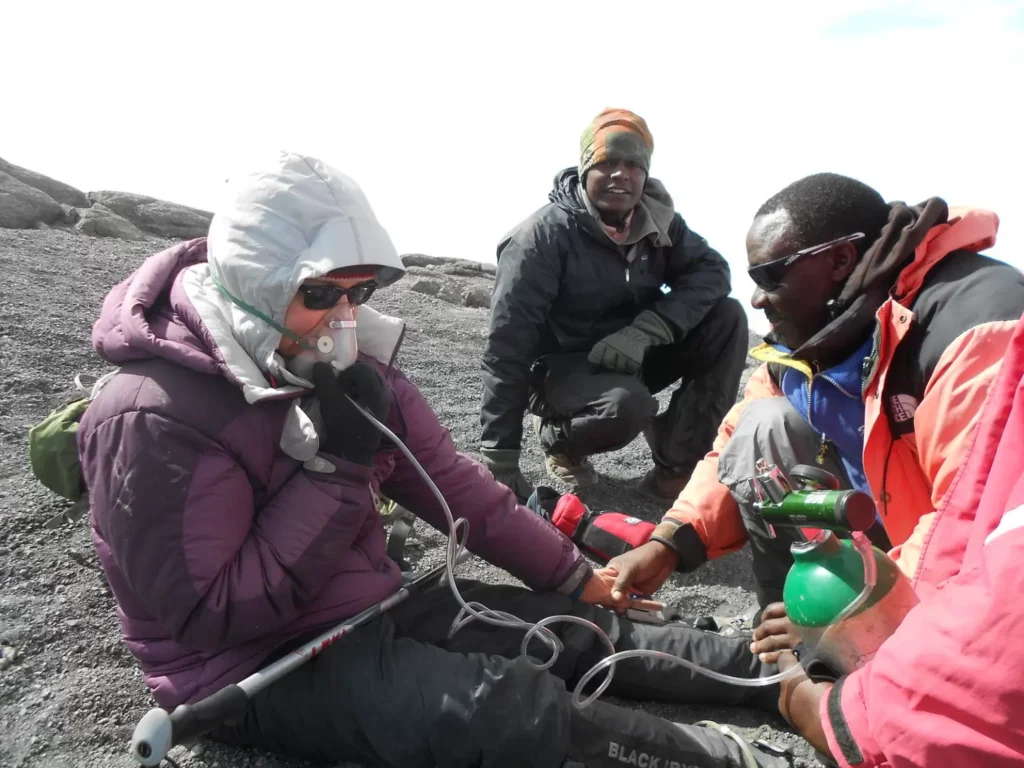
One of the most important safety strategies on Kilimanjaro is proper acclimatization. This means giving the body enough time to adjust gradually to the increasing altitude.
Bush Lion Tours carefully designs climbing itineraries that allow climbers to ascend slowly and safely. Routes that take seven or eight days give the body more time to adapt and greatly increase the chances of reaching the summit.
Our guides also follow the well-known mountaineering principle of “climb high, sleep low,” which helps the body adapt more efficiently during the trek.
Staying healthy on Kilimanjaro also depends on proper nutrition and hydration. During the climb, our mountain chefs prepare fresh and nutritious meals designed to provide enough energy for long hiking days.
Climbers are encouraged to drink several liters of water each day because hydration plays an important role in preventing altitude sickness. Bush Lion Tours provides safe, filtered drinking water throughout the trek to ensure that every climber remains well hydrated.
Warm soups, hot tea, and balanced meals help maintain energy and keep climbers comfortable even in cold mountain conditions.
Safety on Kilimanjaro also depends on reliable equipment and well-organized camps. Bush Lion Tours provides high-quality camping gear designed for mountain conditions.
Our tents are strong, weather-resistant, and comfortable for sleeping at high altitude. Each camp is carefully arranged by our team to provide a safe and organized environment where climbers can rest and recover after each day of trekking.
Having a well-prepared support team ensures that climbers can focus on enjoying the journey without worrying about logistics.
Even though serious emergencies are rare on Kilimanjaro, professional preparation is essential. Bush Lion Tours carries important safety equipment during every climb, including first aid kits, oxygen cylinders for emergency situations, and reliable communication devices.
Our guides are trained to respond quickly if a climber experiences altitude sickness or any other health concern. In rare cases where a descent is necessary, our team organizes a safe and controlled evacuation to lower altitude where the climber can recover.
This level of preparation helps ensure that every climber feels secure during the adventure.
Climbing Kilimanjaro does not require technical climbing skills, but basic fitness helps make the experience more enjoyable. Preparing with regular walking, hiking, or light cardio exercise before the trip can improve endurance and help the body adjust to long trekking days.
Mental preparation is also important. Climbing a high mountain requires patience, determination, and a positive mindset. With proper preparation and the support of experienced guides, most healthy travelers can successfully reach the summit.
A safe climb is not only about reaching the summit, but also about enjoying the journey and returning home with incredible memories. Choosing the right tour operator plays a major role in achieving this goal.
At Bush Lion Tours, we are committed to providing safe, well-organized, and memorable Kilimanjaro climbing experiences. Our professional guides, strong safety procedures, and carefully planned itineraries help climbers from around the world reach the Roof of Africa with confidence.
100% local tour company based in Tanzania. We offer Kilimanjaro climbs, wildlife safaris, Zanzibar trips, and cultural tours. Travel with experts. Support local.


© 2025 Bush Lion Tours. All Rights Reserved. | Website by Bush Lion Team 🇹🇿