
Climbing Mount Kilimanjaro is one of the most exciting adventures in the world. Standing at 5,895 meters, it is the highest mountain in Africa and the tallest free-standing mountain on Earth. Every year thousands of travelers come to Tanzania with one big dream — reaching the summit known as Uhuru Peak.
One of the most common questions travelers ask before planning their adventure is simple: How long does it take to hike Kilimanjaro?
In most cases, climbers spend between 5 and 9 days on the mountain. The exact number of days depends on the route chosen, the pace of the group, and how well the body adjusts to the high altitude. Understanding how time works on Kilimanjaro is important because the duration of your climb can greatly affect your experience and your chances of reaching the summit.
Below are nine important facts that help explain how long a Kilimanjaro climb really takes.
Although it is technically possible to climb Kilimanjaro in only five days, most experienced guides recommend spending six to eight days on the mountain. Taking more time allows the body to slowly adjust to the altitude. This process is called acclimatization and it is one of the most important factors for a successful climb.
When climbers rush to the summit too quickly, the risk of altitude sickness becomes much higher. For this reason, many professional operators prefer longer itineraries that increase the success rate and make the journey more enjoyable.
Companies such as Bush Lion Tours often recommend longer routes because they provide a safer and more comfortable climbing experience.
Another important factor that affects how long the climb takes is the route used to reach the summit. Kilimanjaro has several established routes, each with its own landscape, difficulty level, and recommended duration.
For example, the famous Machame Route usually takes around six or seven days and is popular for its beautiful scenery. The Lemosho Route normally takes seven to eight days and is known for excellent acclimatization and high summit success rates. Meanwhile, the Northern Circuit Route is the longest route and can take up to nine days, giving climbers the best chance of adapting to the altitude.
Choosing the right route is not only about time but also about enjoying the landscapes and improving your chance of reaching the top.
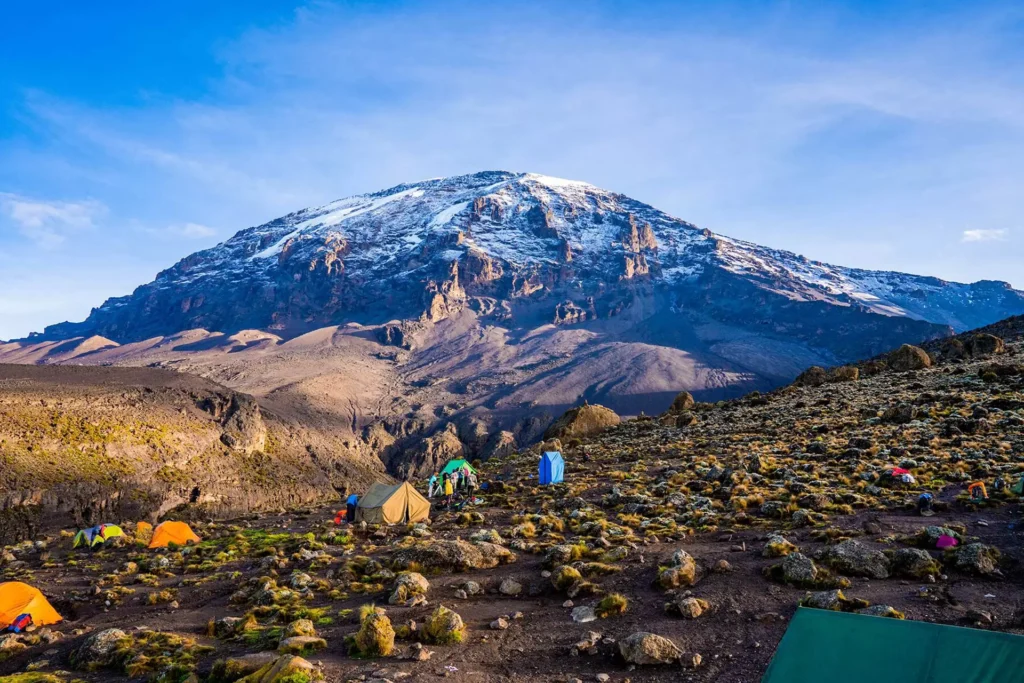
No matter which route you choose, there is one day that every climber remembers most summit day. This is the moment when the final push to the top of Africa begins.
The summit attempt usually starts around midnight. Climbers walk slowly through the cold and darkness for several hours until sunrise appears over the African horizon. Reaching the summit often takes between six and eight hours, and the descent back to camp can take another five or six hours.
This means summit day can last more than twelve hours of trekking. It is physically demanding, but the moment you stand at Uhuru Peak is incredibly rewarding.
Unlike many other mountains, climbing Kilimanjaro is not about speed. In fact, the slower you walk, the better your body adapts to the altitude.
Guides often repeat the Swahili phrase “Pole Pole,” which means “slowly slowly.” This steady pace helps climbers conserve energy and adjust to the thinner air found at higher elevations.
Professional mountain guides understand the importance of pacing and carefully control the speed of the group to keep everyone safe.
A Kilimanjaro climb is not just about reaching the summit. The journey itself is full of changing landscapes and unique environments.
During the first days, climbers walk through lush rainforest filled with birds, monkeys, and tall trees. As the altitude increases, the scenery changes to moorland with giant plants and open views. Higher up, the landscape becomes alpine desert before finally reaching the icy glaciers near the summit.
These changing environments make the climb feel like traveling through several different worlds in just a few days.
Many people imagine that climbing Kilimanjaro means walking all day without rest. In reality, most trekking days involve four to seven hours of hiking. This allows climbers to move at a relaxed pace and still have time to rest, eat, and enjoy the scenery at camp.
The schedule is carefully designed by experienced guides to balance physical effort and proper acclimatization.
Although Kilimanjaro can be climbed throughout the year, weather conditions sometimes influence how quickly groups move. Rain, wind, or cold temperatures may require climbers to slow down or adjust their daily schedule.
Experienced operators plan each itinerary carefully to ensure that climbers remain safe and comfortable regardless of changing weather conditions.
While Kilimanjaro does not require technical climbing skills, preparation is still very important. Travelers who prepare physically before their trip often enjoy the experience much more.
Regular walking, hiking, and simple endurance training help the body adapt to long trekking days. Mental preparation is also important because climbing a high mountain requires patience and determination.
With the right preparation, most healthy people can successfully reach the summit.
When planning a Kilimanjaro trip, travelers should remember that the climb itself is only part of the journey. Most itineraries include a day for arrival and briefing before the climb begins and another day for rest after descending from the mountain.
Because of this, the full Kilimanjaro experience usually takes about eight to ten days from arrival to departure.
This allows climbers to prepare properly, enjoy the adventure, and celebrate their achievement after reaching the summit.
100% local tour company based in Tanzania. We offer Kilimanjaro climbs, wildlife safaris, Zanzibar trips, and cultural tours. Travel with experts. Support local.


© 2025 Bush Lion Tours. All Rights Reserved. | Website by Bush Lion Team 🇹🇿