
Climbing Mount Kilimanjaro is a dream for many people around the world, but it also challenges your body in many ways. As you climb higher, the amount of oxygen in the air becomes lower. A pulse oximeter on Mount Kilimanjaro is one of the most useful tools that helps climbers and guides check oxygen levels and stay safe from altitude sickness.
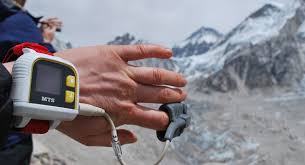
A pulse oximeter is a small device placed on your fingertip that shows how much oxygen your blood is carrying. It also displays your heart rate. These two numbers help you and your mountain guide understand how your body is reacting to the high elevation. If the oxygen level goes too low, it can be a sign of altitude sickness, and early action can prevent serious problems.
On Kilimanjaro, climbers move from around 1,800 meters at the start of the trail to almost 5,895 meters at the summit. As you go higher, the air becomes thinner and breathing becomes harder. Without the help of a pulse oximeter, it is difficult to know how well your body is adjusting to the altitude.
Using a pulse oximeter helps your guide monitor your health every day during the trek. The device gives instant readings, showing if your oxygen level is safe or dropping too fast. This allows guides to make decisions such as slowing down the pace, giving more rest, or providing oxygen support if needed. It also helps identify early signs of altitude sickness before you feel serious symptoms.
With regular checks, climbers stay informed and confident. It also gives peace of mind to both the climbers and their families, knowing that health is being carefully monitored at every stage of the climb.
Every morning and evening during your climb, your guide will use a pulse oximeter to measure your oxygen level and heart rate. The reading is quick and painless. The guide writes down your results on a health form to track changes as you go higher.
If your oxygen level remains good, it means your body is adapting well to the altitude. If it drops below a certain level, your guide will discuss whether to rest longer, go down to a lower camp, or continue slowly. Having this information allows climbers to make safe choices and avoid emergencies.
Professional Kilimanjaro operators, like Bush Lion Tours, always carry pulse oximeters and train their guides to use them correctly. This is one of the reasons why climbers with experienced guides have a much higher chance of reaching the summit safely.
At Bush Lion Tours, your health and safety always come first. Each of our certified mountain guides carries a digital pulse oximeter and checks your oxygen level twice a day. This helps ensure that you are acclimatizing properly and that your body is strong enough to continue climbing.
In addition to the pulse oximeter, our guides are trained in mountain first aid and carry emergency oxygen tanks, medical kits, and portable stretchers. These tools work together to make your Kilimanjaro adventure safe and enjoyable. When you climb with Bush Lion Tours, you are always under professional care from start to summit.
At sea level, most people have an oxygen level between 95% and 100%. As you climb higher, it is normal for this number to go down slightly. On Kilimanjaro, it might drop to around 85% to 90% at mid-altitude camps, and sometimes even lower near the summit. This is why the pulse oximeter is so valuable it tells your guide when your oxygen level is getting too low and action is needed.
Monitoring oxygen levels daily helps your body adjust slowly and safely. It supports a successful acclimatization process, reduces the risk of acute mountain sickness, and improves your overall summit success rate.
The pulse oximeter on Mount Kilimanjaro is not just a small device — it is your health partner on the mountain. It provides real-time information about how your body is coping with the altitude. With this tool and a well-trained guide, your chances of a safe and successful climb increase greatly.
If you are planning to climb Mount Kilimanjaro in 2026, make sure your tour company includes a pulse oximeter and daily health monitoring as part of your package. With Bush Lion Tours, you will climb smarter, safer, and stronger, all the way to the top of Africa.
100% local tour company based in Tanzania. We offer Kilimanjaro climbs, wildlife safaris, Zanzibar trips, and cultural tours. Travel with experts. Support local.


© 2025 Bush Lion Tours. All Rights Reserved. | Website by Bush Lion Team 🇹🇿