
Climbing Mount Kilimanjaro is a dream adventure for many travelers, but before booking, most climbers have dozens of questions about the climb, preparation, costs, health, and what to expect. This Kilimanjaro FAQ covers everything in detail so you can prepare with confidence and enjoy the journey to Africa’s highest peak.
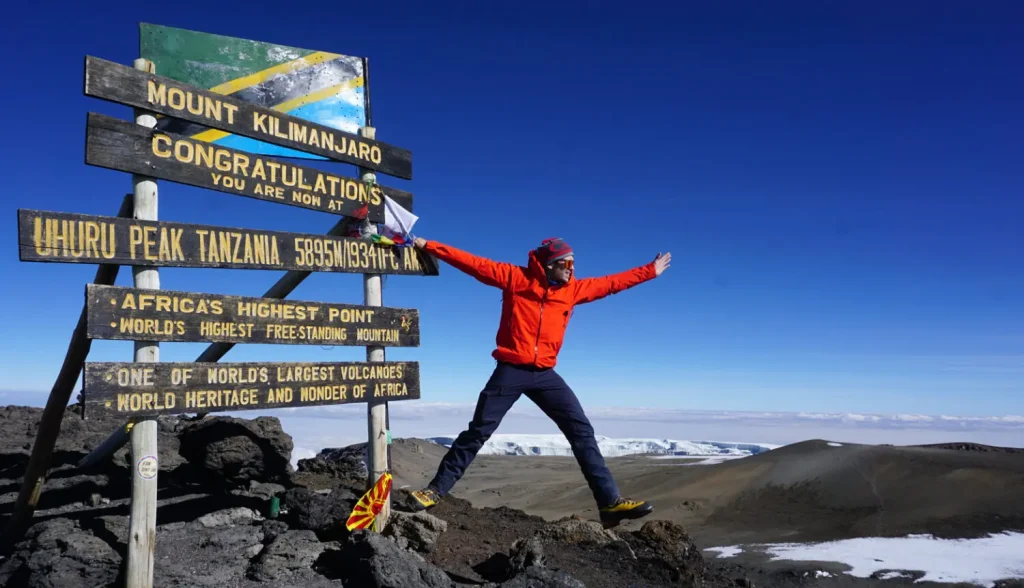
Kilimanjaro is a non-technical mountain, meaning you don’t need ropes, harnesses, or special climbing skills. However, it is still a challenging trek because of the altitude, length of the climb, and changing weather. Anyone with good fitness, determination, and proper acclimatization can summit successfully. The key is to choose a route with enough days to adjust to altitude and to climb with an experienced guide team.
The most popular climbing seasons are January to March and June to October. These months usually have the clearest skies and less rainfall. March to May is the long rainy season, and November is the short rainy season, which makes trails wetter and cloudier but less crowded. Many climbers prefer August and September for the best summit success rates.
Group sizes vary depending on whether you join an open group or choose a private climb. In group climbs, the average is between 8 and 12 climbers, with some groups smaller and others larger. Private climbs can be arranged for solo travelers or small groups, even just two people. For each guest, there is a support team including guides, cooks, and porters—typically around 3 to 4 staff members per climber, ensuring safety, comfort, and personal attention.
Temperatures vary greatly depending on the altitude and time of day. At the base, daytime temperatures can be between 20°C and 27°C (68°F to 80°F). Higher up, temperatures drop sharply. At night above 4,000 meters, it can range from -7°C to -15°C (20°F to 5°F). On summit night at Uhuru Peak, it can feel as cold as -20°C (-4°F) with wind chill. Proper layering and high-quality jackets are essential for comfort and safety.
Yes, certain vaccinations are recommended for Tanzania travel. Yellow fever vaccination is required if arriving from a yellow fever risk country. Other recommended vaccinations include Hepatitis A, Typhoid, and Tetanus. Malaria prevention is also advised for the lower altitudes before and after the climb. Consult your doctor at least 4 to 6 weeks before travel for personalized medical advice.
Yes, travel insurance with high-altitude trekking coverage is strongly recommended. It should include emergency evacuation (by helicopter), medical treatment, and trip cancellation protection. This ensures peace of mind in case of unexpected events during your adventure.
Tipping is an important tradition on Kilimanjaro, as guides, cooks, and porters work hard to make your climb safe and enjoyable. Tips are given as a group at the end of the climb. The amount varies depending on group size and route length, but a typical guide might receive $20–$25 per day, assistant guides $15–$20 per day, cooks $12–$15 per day, and porters $6–$10 per day. For a 7-day climb, this usually totals around $250–$300 per climber for the whole team. Many operators will provide a clear tipping guideline before your trip.
There are several main routes, each with its own scenery, difficulty, and success rate. Popular options include the Machame Route (6–7 days), Lemosho Route (7–8 days), Marangu Route (5–6 days), Rongai Route (5–7 days), Northern Circuit (8–9 days), and Umbwe Route (6–7 days, more challenging). The longer the route, the higher the chance of successful acclimatization and reaching the summit.
Yes, all climbers are required by Tanzanian law to climb with a licensed guide. This ensures safety, proper route navigation, and environmental protection.
Prices vary depending on route length, service level, and group size. Budget climbs can start around $1,500, while high-quality mid-range climbs range from $2,000–$3,500. Luxury climbs with extra comfort and services can exceed $4,000. Always choose a reputable company with experienced guides and fair porter treatment.
A good level of fitness is essential. You should be able to walk for several hours a day with a backpack on varied terrain. Endurance training such as hiking, running, or cycling in the months before your climb will help prepare you physically and mentally.
Essential gear includes warm layers, waterproof clothing, hiking boots, gloves, hats, sleeping bags rated for -10°C or colder, and a good daypack. Many operators provide a full packing list and offer gear rental if needed.
Meals are freshly prepared by cooks and typically include soups, rice, pasta, vegetables, eggs, meat, and fruit. Hot drinks are provided, and special dietary needs can often be accommodated with advance notice.
Yes, many climbers experience mild symptoms like headaches, nausea, or fatigue as the body adjusts to lower oxygen levels. Choosing a longer route and ascending gradually increases the chances of safe acclimatization. Guides monitor your health daily and can arrange descent if necessary.

Start planning your tailor-made trip by contacting our Tanzania specialist, Mr. Jackson.
Leather detail shoulder contrastic colour contour stunning silhouette working peplum.
Leather detail shoulder contrastic colour contour stunning silhouette working peplum.
Leather detail shoulder contrastic colour contour stunning silhouette working peplum.
100% local tour company based in Tanzania. We offer Kilimanjaro climbs, wildlife safaris, Zanzibar trips, and cultural tours. Travel with experts. Support local.


© 2025 Bush Lion Tours. All Rights Reserved. | Website by Bush Lion Team 🇹🇿